Badge Pride Without Pressure: 9 Practical Culture Ideas That Work
What “badge pride” means (and how to keep it optional)
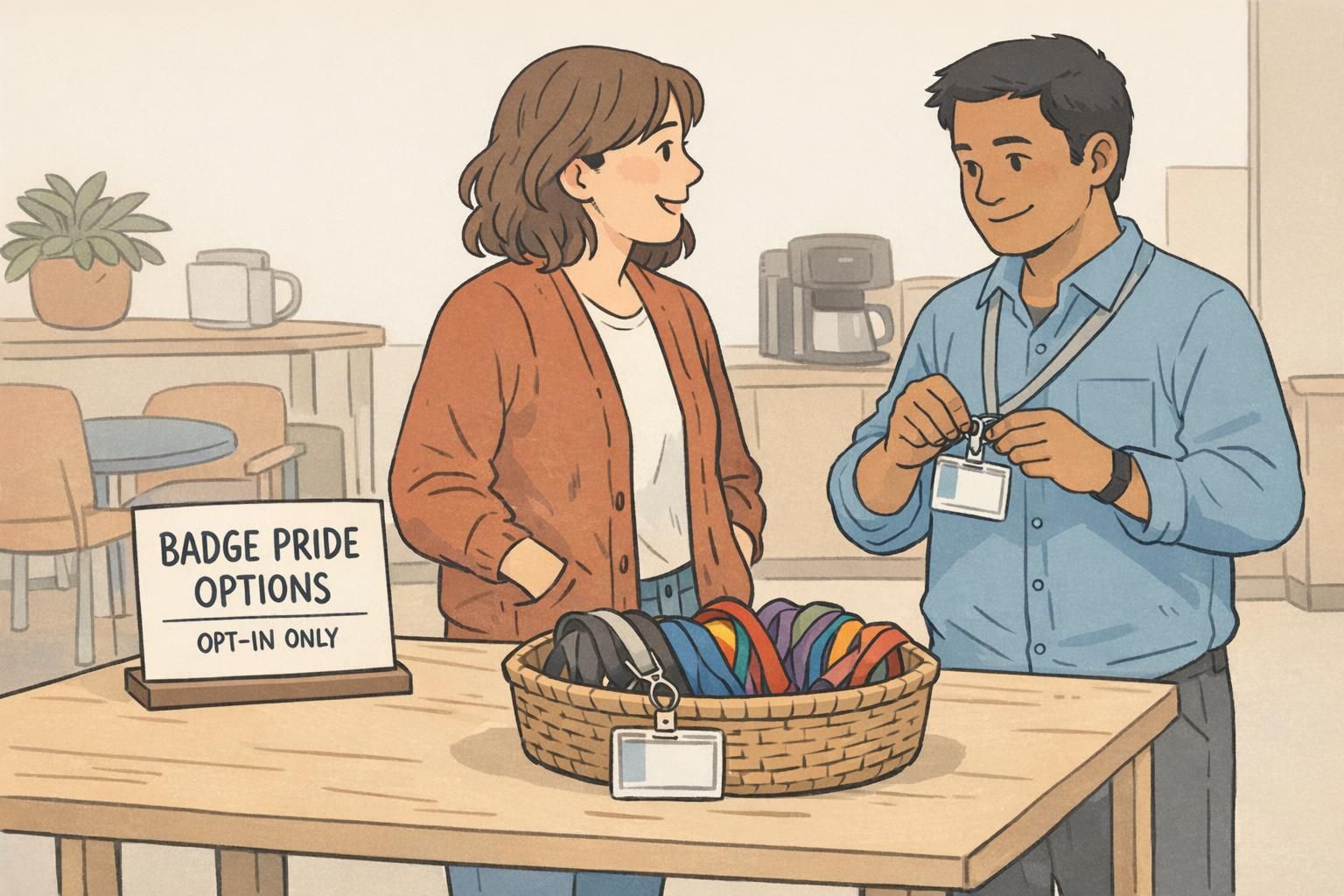
Badge pride is the small, everyday ways people choose to personalize workplace identification—like a favorite lanyard color, a subtle badge reel, or a simple pin that fits their style. Done well, it helps people feel seen without turning self-expression into a requirement.
The key is keeping it clearly optional and low-stakes. Participation should be opt-in, easy to reverse, and never treated as a signal of loyalty, culture fit, or performance. If someone prefers a plain lanyard or no accessories at all, that should be treated as equally normal.
A healthy “badge pride” effort is one where opting out is unremarkable—and nobody has to explain why they chose a plain setup.
Set the ground rules: opt-in, reversible, and no “read between the lines”
Before you introduce any badge flair, set expectations in simple, repeatable language. Many workplace culture ideas fail not because the idea is bad, but because people worry their choice will be judged. Your goal is to remove that worry.
- Opt-in means anyone can participate, and nobody has to.
- Reversible means people can stop participating at any time without questions.
- No “read between the lines” means a plain lanyard (or no lanyard) won’t be interpreted as disengagement or disagreement.
- No tracking means participation isn’t measured, reported, or tied to recognition.
“If you want to join in, great—if not, totally fine. Either way, you belong here.” – HR Generalist
Make the practical part easy too: a small pickup spot for optional items and a clear way to return or swap them. The more “normal” the logistics feel, the less the program feels like a test.

Theme ideas that stay low-pressure: lanyard themes, colors, and small swaps
The easiest way to keep participation comfortable is to make themes broad and easy to ignore. Simple lanyard themes—seasonal colors, team colors, or a “welcome month” for new hires—let people join without feeling like they’re making a statement about personal beliefs.
Keep the default professional option visible and available at all times. A plain black or neutral lanyard shouldn’t look like the “non-participation” badge; it should look like a standard, respected choice.
- Seasonal palettes: muted spring tones, summer brights, autumn neutrals, winter cool colors
- Department or team color accents (without requiring anyone to display team affiliation)
- “New hire welcome” month with an optional color that’s easy to swap out later
- Small swaps: a choice of badge reels, clips, or holders—no announcements required
A “swap station” on a counter works better than asking managers to distribute items—people can choose quietly and change their mind anytime.
Awareness and allyship symbols—offer choices beyond what’s visible
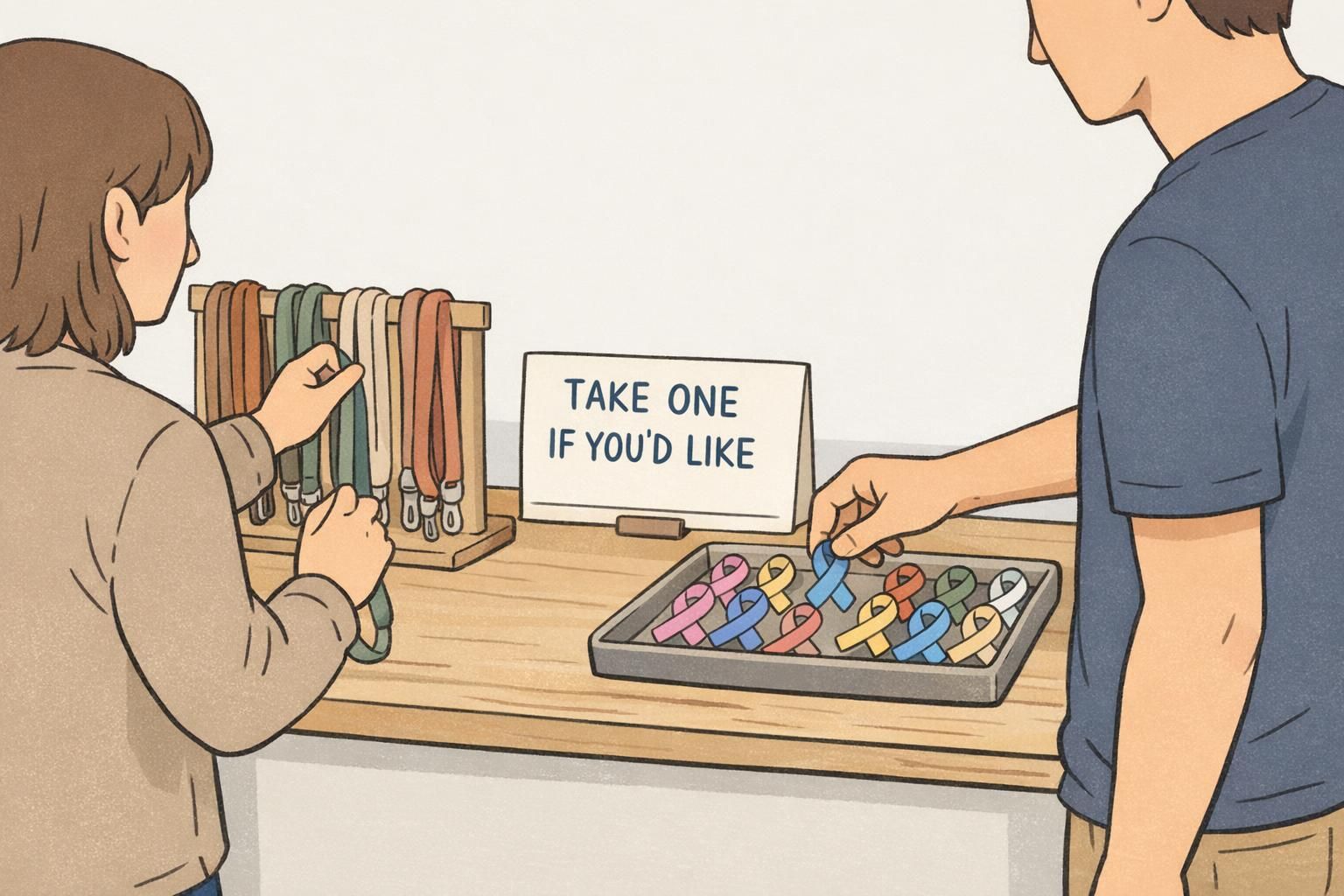
Awareness ribbons and allyship symbols can be meaningful for some employees—and uncomfortable for others. The safest approach is to offer them as one option among many, not as the main way to “prove” support. Some people prefer private actions (learning, volunteering, donating, mentoring) over visible symbols, and that preference deserves respect.
Research and real-world experience also suggest that visible inclusion symbols can get mixed reactions depending on workplace context. That’s why opt-in participation, clear backing from training and policies, and an easy feedback channel matter. A visible symbol should never be the only layer of support—ideally it sits on top of practical expectations and education (source).
- Visible options (opt-in): a small ribbon, pin, or badge reel charm
- Quiet alternatives: a short resource list, optional training, or a volunteer sign-up
- Private support: a suggestion box for inclusion improvements or an HR inbox for concerns
- Team norms: a reminder that no one should ask colleagues to explain their choice to wear—or not wear—symbols
Recognition that feels real: tie pride to meaningful contributions
Workplace morale improves when recognition is connected to genuine, helpful actions—not to popularity, visibility, or collecting items. If you want “badge pride” to feel earned (without becoming competitive), recognize a wide range of contributions that different personality types can realistically make.
- Helping a coworker solve a problem or cover a shift
- Mentoring a new hire or sharing a useful template/checklist
- Improving a process that saves time or reduces errors
- Great customer service or calm de-escalation in a tough moment
- Safety-minded behavior (reporting an issue, clarifying a procedure)
Keep rewards lightweight and optional: a thank-you note, an optional pin, or a small sticker that fits on a badge holder (not on the ID card itself). Avoid leaderboards, “everyone must collect X,” or anything that creates pressure to perform pride instead of simply doing good work.
“The best recognition is specific. A small note that names what you did and why it mattered goes a long way.” – Operations Lead

Inclusive design checklist for optional badge flair
Optional flair should be easy to wear, easy to read, and easy to live with during real work. Inclusive design isn’t just about aesthetics—it’s about comfort, safety, accessibility, and day-to-day practicality.
- Readability: high-contrast options that don’t distract from the ID’s name and photo
- Comfort: lightweight materials and smooth edges to reduce irritation
- Safety: breakaway lanyards where appropriate; clip-on alternatives when lanyards aren’t safe
- Sensory needs: offer a quiet, minimal option (plain lanyard, simple clip, or badge reel) without calling it out
- Durability and cleaning: materials that can be wiped down, especially in healthcare, food service, or labs
- Equity: the default plain/professional setup is always available and treated as fully acceptable
If one style becomes the “cool” default, the program stops being truly optional. Keep multiple options visible—including plain ones.
Keep IDs professional: where optional flair fits with everyday identification
Most organizations rely on visible identification for practical reasons: safety, visitor management, and smoother collaboration. Optional flair should support those goals—not compete with them.
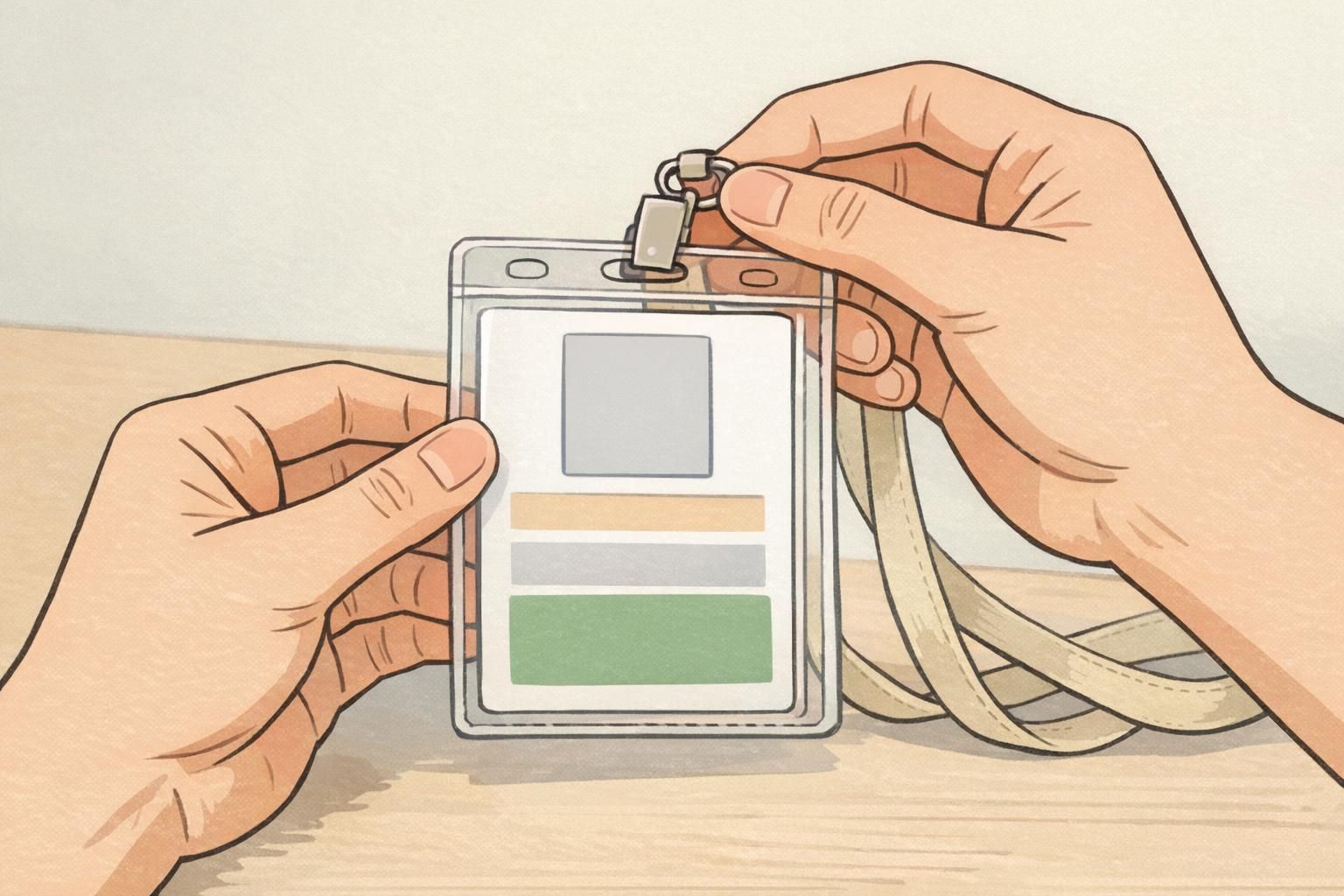
A simple standard protects both culture and operations: the ID stays fully visible and scannable. Names, photos, barcodes, and access credentials shouldn’t be covered by stickers or decorative overlays. Instead, keep customization to add-ons like lanyards, reels, and holders that frame the credential rather than hiding it.
- Do: choose a colored lanyard or a clear holder that keeps the full badge visible
- Do: use add-ons that don’t block photos, names, or barcode/QR areas
- Don’t: place decals on the ID card that could interfere with scanning or reading
- Don’t: use bulky attachments that flip the badge backward or make it hard to present at doors
Products that make opt-in culture easy (without overhauling your ID program)
Low-pressure programs work best when the logistics are simple: items are easy to distribute, easy to replace, and compatible with what people already wear. Instead of changing permanent credentials, consider components that add optional personality while leaving core identification standards intact.
For many workplaces, that means keeping the ID card the same and offering a small, rotating set of add-ons—like a few seasonal colors, a couple of holder styles, and clear guidance that everything is voluntary.
A practical starting point is a small batch of themed lanyards that clip onto existing badge holders. Limiting the assortment keeps choice manageable while still giving people a way to participate on their own terms.
If your goal is inclusion, “easy to opt out” matters as much as “easy to opt in.” Choose items people can swap or stop wearing without friction.
Rollout and feedback: prevent pressure, spot issues early, and adjust
A rollout sets the emotional tone. Keep the announcement short, explain the “why,” and repeat the opt-in message more than once. Make it clear where people can pick up items without asking permission, and normalize that some people will skip it.
- Launch message: a brief note stating the purpose, the opt-in nature, and the rule that opting out is respected
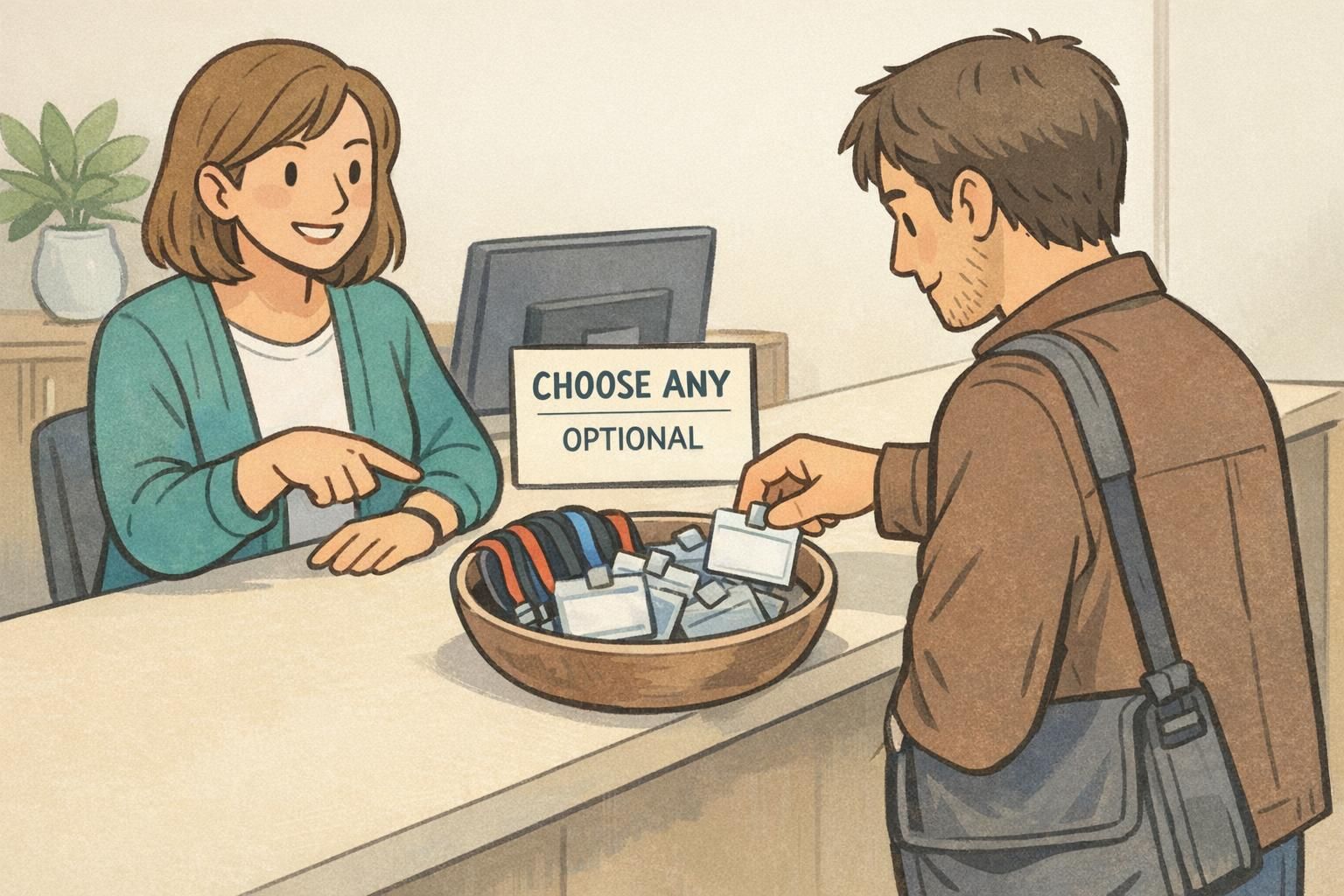
- Access: place options in a common area so people can choose quietly
- Manager guidance: a one-sentence script leaders can use consistently (no improvising pressure)
- Feedback: an anonymous form or HR inbox for concerns, including pressure from peers
- Maintenance: adjust themes, add non-visible participation paths, and restate that plain setups are always welcome
Make participation opt-in, keep plain options equally visible, and avoid tracking. Reinforce that opting out won’t be interpreted as a statement or a problem.
Treat it like any other culture issue: acknowledge it, restate the expectation that participation is optional, and provide a private feedback channel so people don’t have to confront peers directly.
Yes, if the ID remains fully visible and scannable. Keep customization to lanyards, clear holders, and accessories that don’t cover names, photos, or access features.
When feedback is expected and welcomed, it’s easier to keep the program supportive—and to correct problems before they become culture baggage.