Plan field trip badges for quick reunification
Field trip badges give a separated child a simple way to connect back to the adults responsible for their group. Whether the outing is to a museum, park, or another destination, a visible identifier can tell someone which organization to contact without displaying the child’s personal information. The goal is straightforward: make the next step easy to understand.
Start with the question a helpful adult would need answered: “How do I reach this child’s group?” The organizing program’s name and a monitored phone number are more useful for that purpose than a child’s name. A group label can provide additional context, especially when several groups from the same organization are visiting together.
Choose the contact number before designing the identifier. It should reach an adult who can answer during the outing and coordinate with the rest of the team. A number that goes unanswered does little to support reunification, even when the badge itself is clear.
A temporary identifier is a connection tool, not a substitute for supervision. Keep its public message focused on the group and its responsible contact, while keeping each child’s personal details in a private roster.
What to include on a student trip ID
A student trip ID should be readable at a glance. Small identifiers have limited space, so prioritize the details that help someone contact the organizing team. Avoid decorative elements that compete with the phone number or make the organization’s name difficult to read.
- Organization name: identify the school, program, or youth group responsible for the outing.
- Field trip group label: use a short label that staff and children recognize.
- Monitored phone number: provide a number an assigned adult will answer during the trip.
- Optional group code: include a simple code when it connects to a private roster and helps staff identify the correct group.
For example, a simple layout could read “Organizing Program / Museum Group A / Trip Contact: [monitored number].” This keeps the purpose clear without naming the child. If several groups share one contact number, a short group code can help the person answering direct the message to the appropriate chaperone.
Keep children’s names, home addresses, medical information, and other sensitive details off public-facing IDs. Those details belong in records available to the responsible adults, not on something visible to everyone at the destination. The identifier only needs to open the communication channel; the private roster supplies the information needed to complete reunification.
Before producing the IDs, read the layout as if you knew nothing about the trip. Can you identify the organization, find the group label, and read the contact number without guessing?
Choose a visible, activity-appropriate format
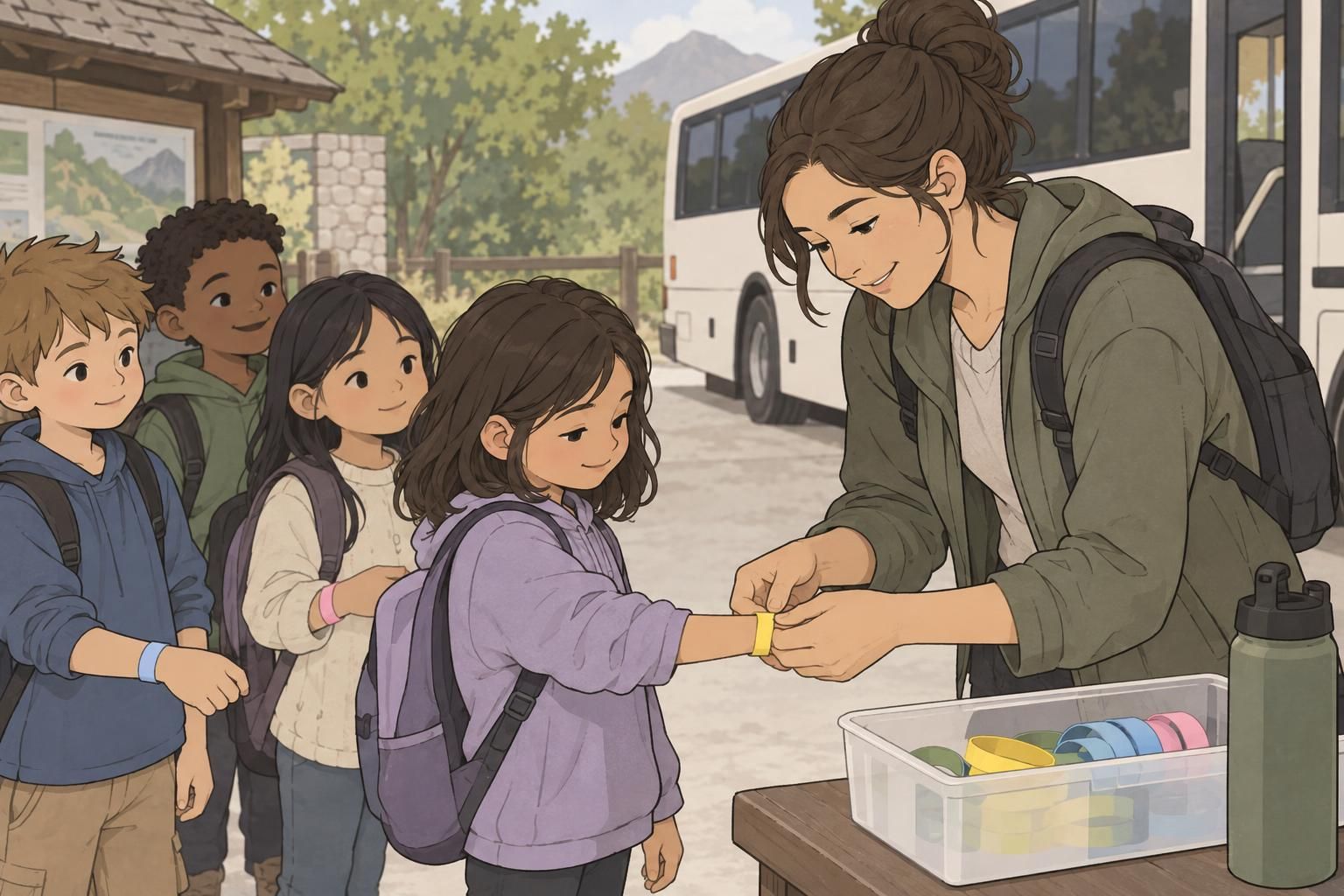
Field trip badges do not have to be traditional cards. Wristbands, clothing labels, and temporary tattoos can all serve as visible identifiers, depending on the children’s ages, comfort, and planned activities. Choose the format around the outing rather than expecting one option to work equally well everywhere.
Ohio Department of Children and Youth field-trip guidance is a relevant official reference for using organization contact information, keeping a child’s name off visible identification, and considering how an identifier is worn safely. Review the source when planning the format and public-facing details.
- Wristbands: a simple option when children are comfortable wearing them and the printed details remain readable.
- Clothing labels: useful when securely attached to a visible garment, but consider whether a jacket or clothing change could hide or remove them.
- Temporary tattoos: an option when suitable for the child and activity; check that the contact details are clear after application.
- Other visible identifiers: assess placement, comfort, attachment, and readability before choosing them for the group.
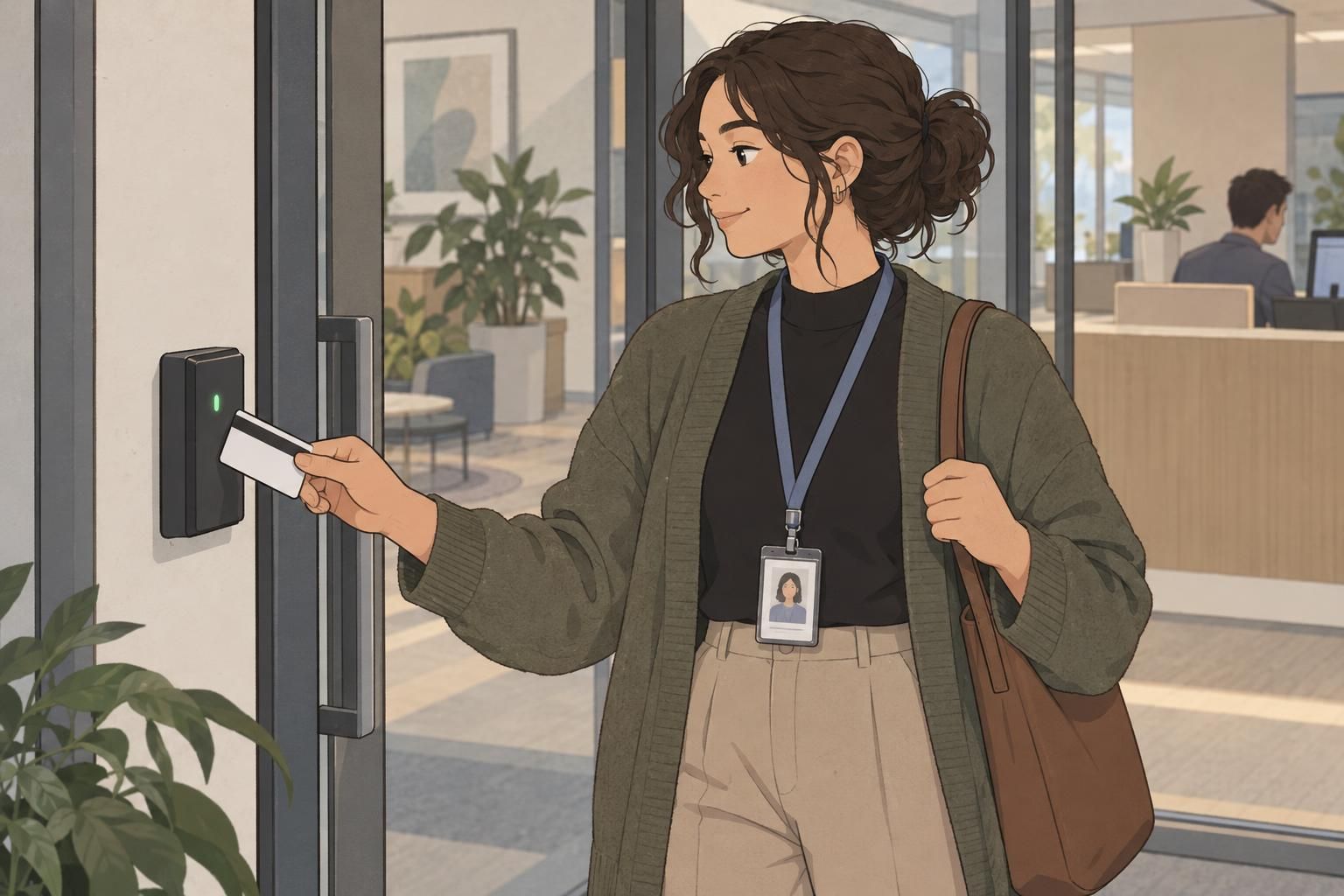
Neck-worn tags are not appropriate for children. Do not use lanyards or hanging neck badges as the student identification plan. Staff identification can use a different format, such as a badge clipped directly to an adult’s shirt.
Swimming and other water activities need a separate, activity-conscious ID plan. Do not assume a label attached to ordinary clothing will remain useful once children change for swimming, or that another identifier will stay readable in water. Review the format, supervision arrangements, and contact routine specifically for that part of the outing.

Make staff and chaperones easy to identify
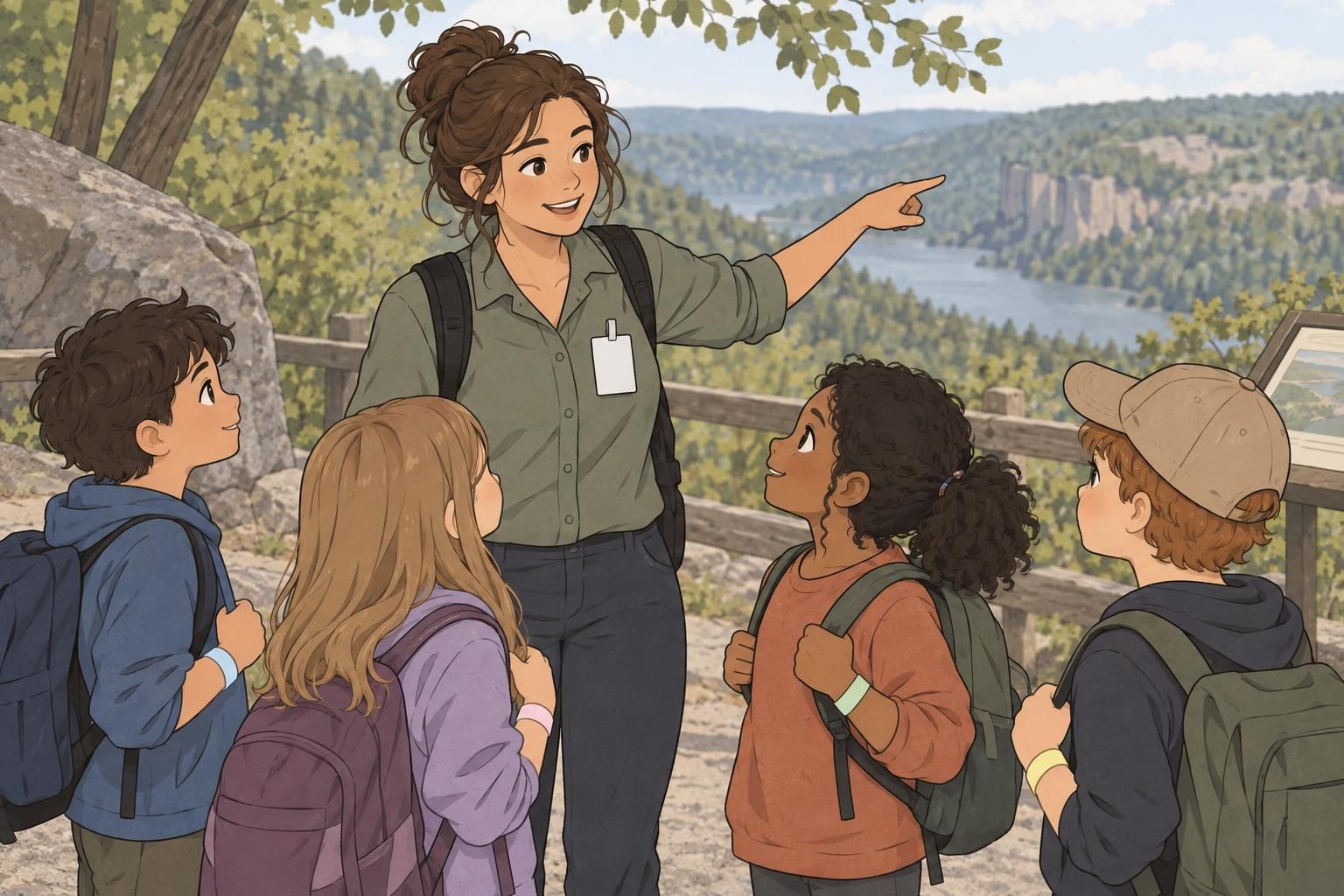
Children’s identifiers work best alongside a clear way to recognize the responsible adults. Matching shirts, hats, consistent colors, or staff ID badges can support group identification without putting children’s personal details on display. Choose an approach that is easy to notice in the setting you will visit.
Before departure, show children what their leaders will be wearing. Point out the shared shirt color or the staff badge, and introduce the adults assigned to their group. A visible cue is more useful when children already understand what it means.
Consistency also helps families recognize the organizing team during departure and pickup. If staff use ID badges, make their role easy to read. Adult identification and children’s temporary IDs serve different purposes: one identifies the responsible team, while the other provides a route back to that team.
A matching shirt or visible staff badge helps people recognize the group’s adults. It does not replace checking the private roster and confirming authorized pickup.

Pair temporary IDs with a reunification routine
An effective reunification routine connects the visible identifier to information held privately by staff. Prepare permission forms, current emergency contacts, staff assignments, and authorized pickup details before the outing. The public ID should point to the organization; the private roster should help the team determine the appropriate next steps for each child.
- Assign children to staff groups or buddy groups so responsibilities are clear.
- Keep a current private roster linking each child to their group, authorized pickup contacts, and relevant emergency information.
- Designate an adult to monitor the number printed on the temporary IDs.
- Take regular head counts, especially when leaving one location or arriving at another.
- Review how staff will communicate and reconnect a separated child with the responsible group.
If a call comes in, the contact adult should be able to connect the visible group label or code with the correct staff assignment. That makes a short student trip ID useful without requiring it to carry a child’s full record. Keep the roster accessible to the adults responsible for the trip while protecting it from public view.
Explain the plan to children in simple, age-appropriate language. Show them their identifier and explain that it helps someone contact their group if they become separated. Revisit that explanation during transitions so the ID remains part of a familiar routine rather than an unfamiliar item they were given at departure.

Prepare, check, and remove IDs after the outing
Before departure, check every identifier for readability, comfortable placement, and secure attachment. Confirm that the organization name, group label, and phone number are correct. Also confirm that the designated adult has the contact phone and is ready to monitor it throughout the outing.
Use transitions as quick checkpoints. After a clothing change, activity, or move to a new location, check whether IDs are still visible and readable while completing the group’s head count. If an identifier is missing or damaged, restore that child’s connection to the group’s contact plan rather than assuming the original ID is still usable.
Once the outing and authorized pickup are complete, remove or destroy temporary IDs as appropriate for their format. This prevents old group labels and contact details from being mistaken for current information. Note any problems with fit, readability, or phone monitoring so the next trip’s plan can be improved.
The most useful field trip badges are simple, readable, and connected to a practiced routine. Keep public details minimal, make responsible adults recognizable, and maintain the private information needed for safe reunification.