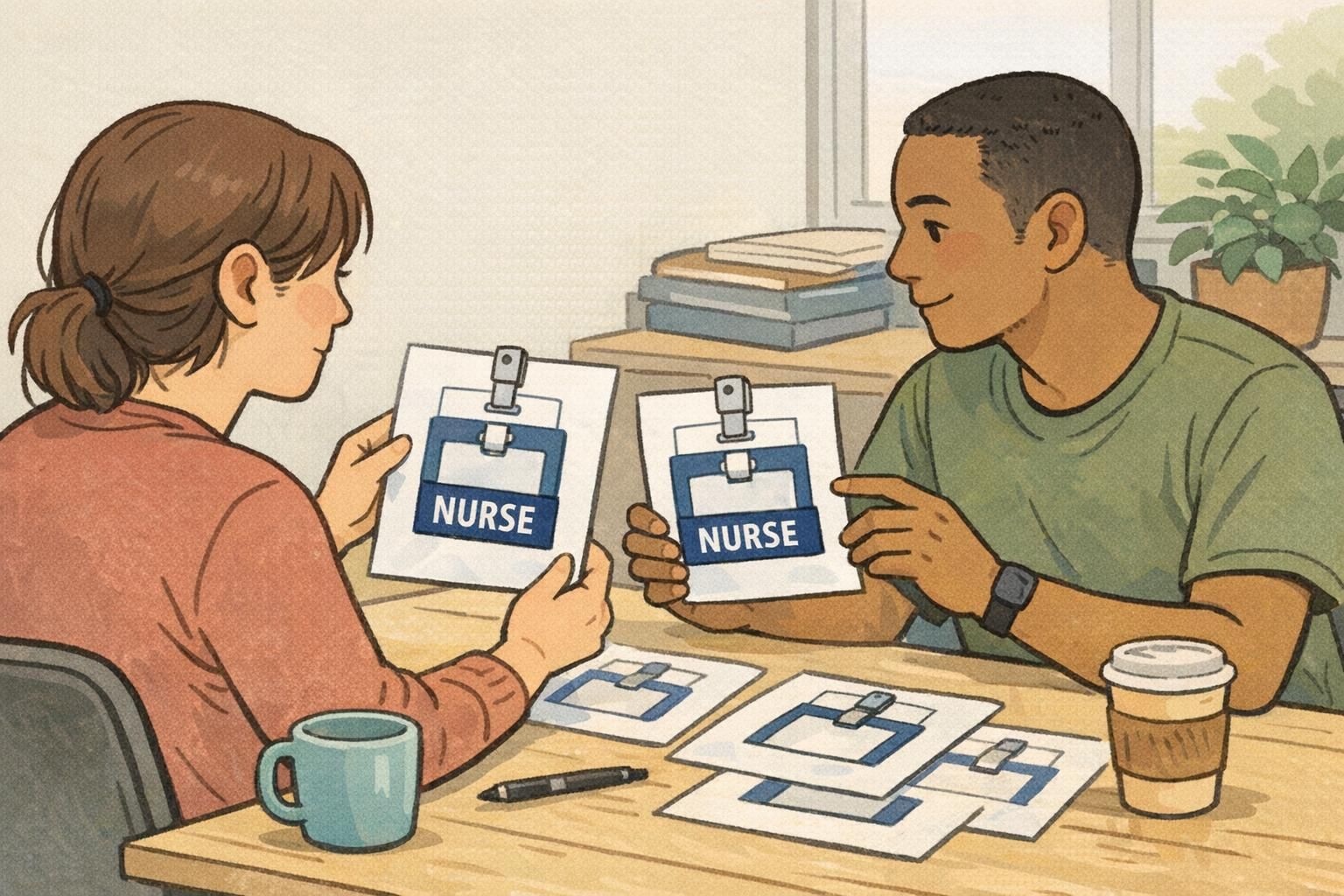
Badge buddy design: Layout Rules for Fast Role Recognition
Why badge buddy design matters for fast role recognition In a busy workplace, people rarely have time to “read” an ID—they scan it. Good badge buddy design mak...
Read more
Why badge buddy design matters for fast role recognition In a busy workplace, people rarely have time to “read” an ID—they scan it. Good badge buddy design mak...
Read more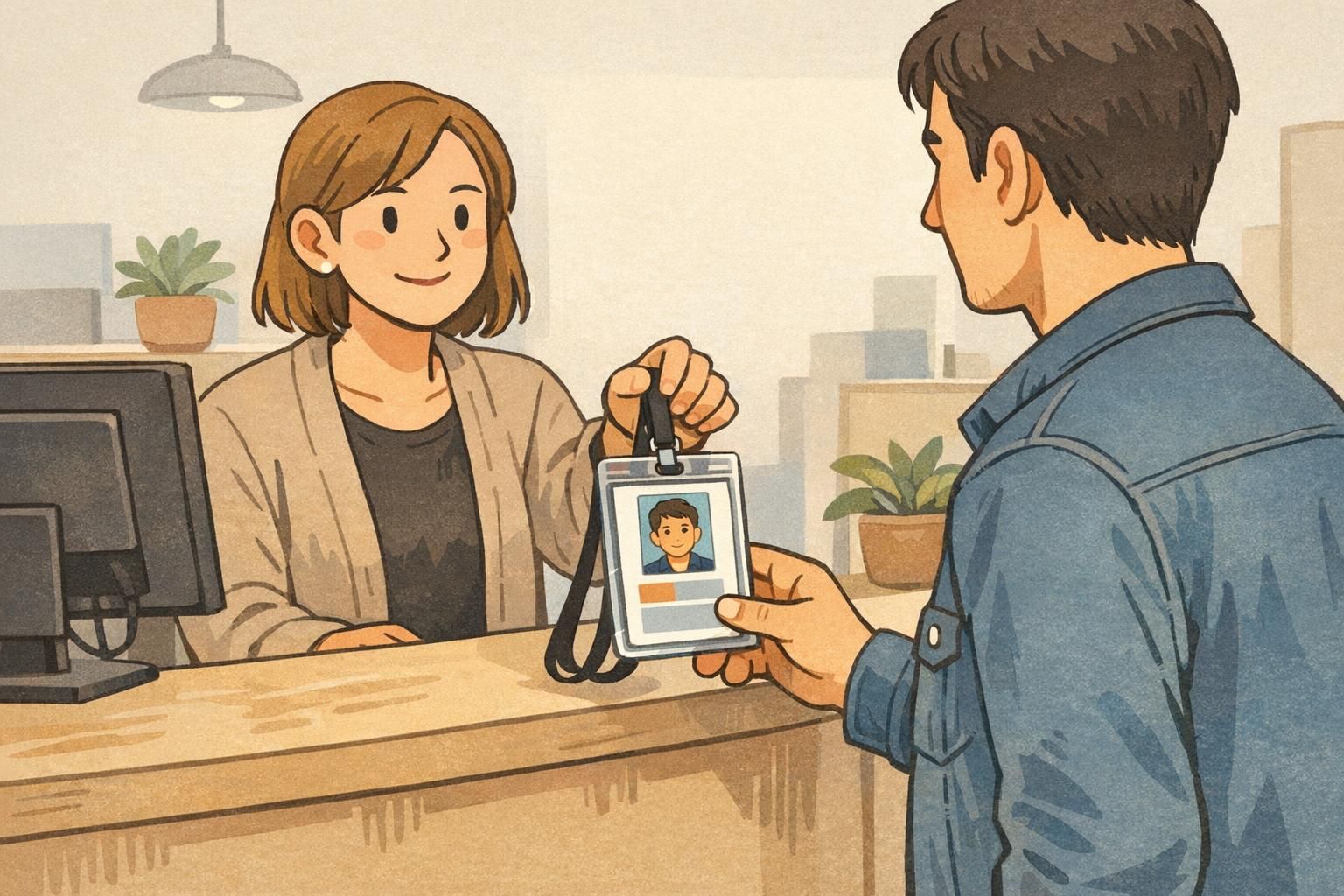
Why vertical ID badge vs. landscape is more than a design preference Choosing a vertical ID badge or a landscape layout isn’t just about what looks nicer on a...
Read more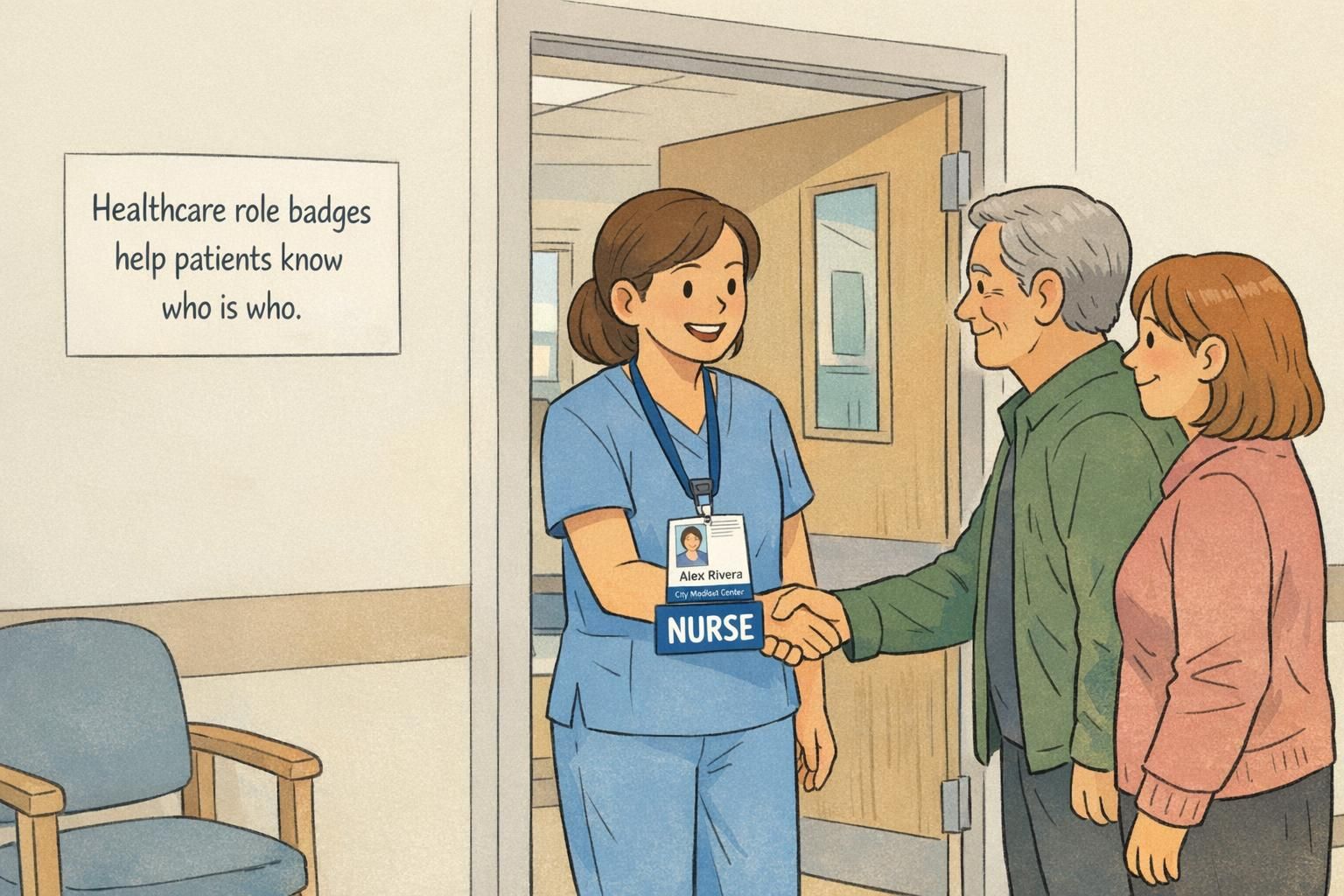
Why “Who Are You?” Moments Happen—and How Healthcare Role Badges Help In hospitals and clinics, people come and go quickly: shift changes, consults, transport,...
Read more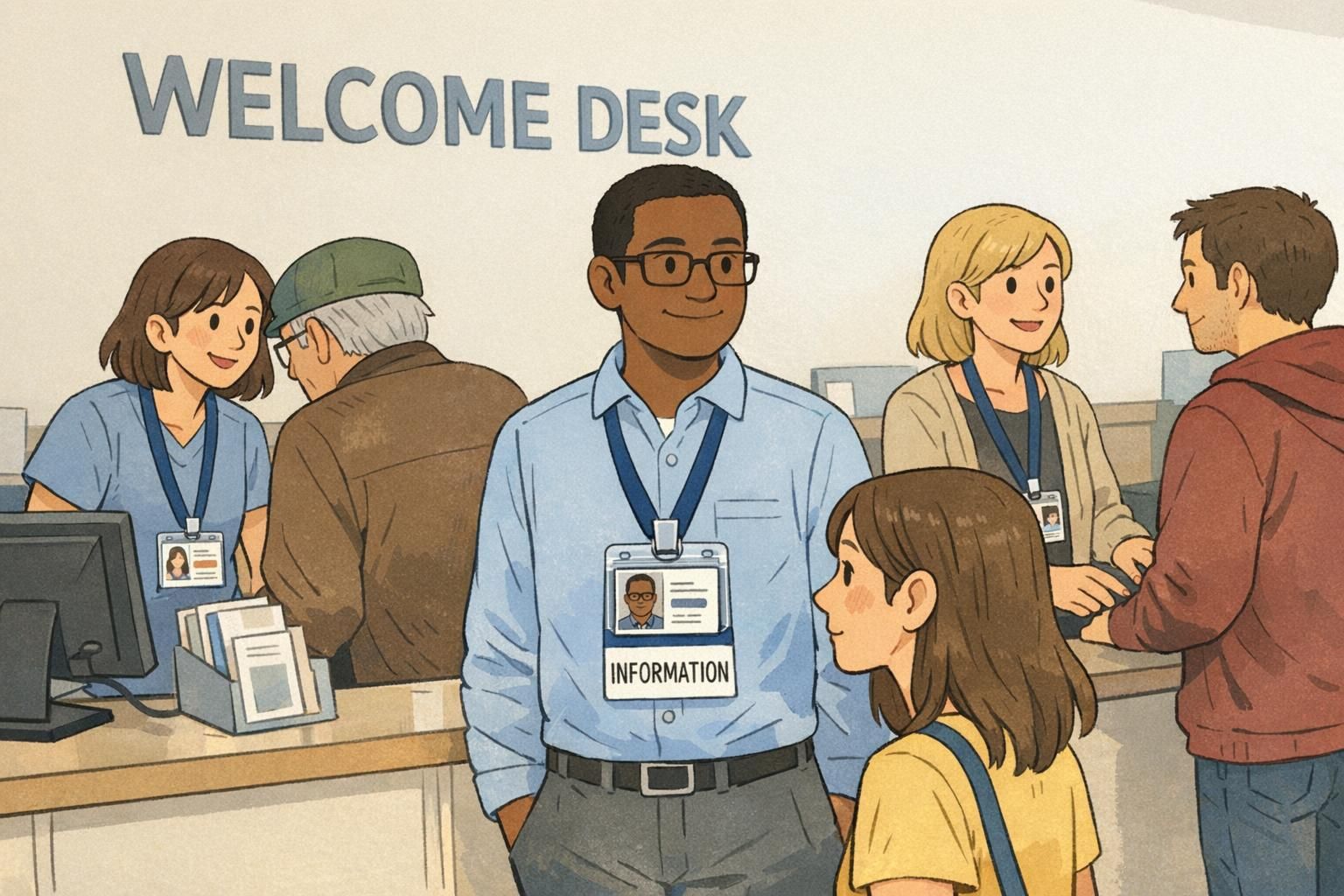
Why big facilities struggle with “who’s who” In a small office, people quickly learn each other’s names and job functions. In a hospital tower, a multi-buildin...
Read more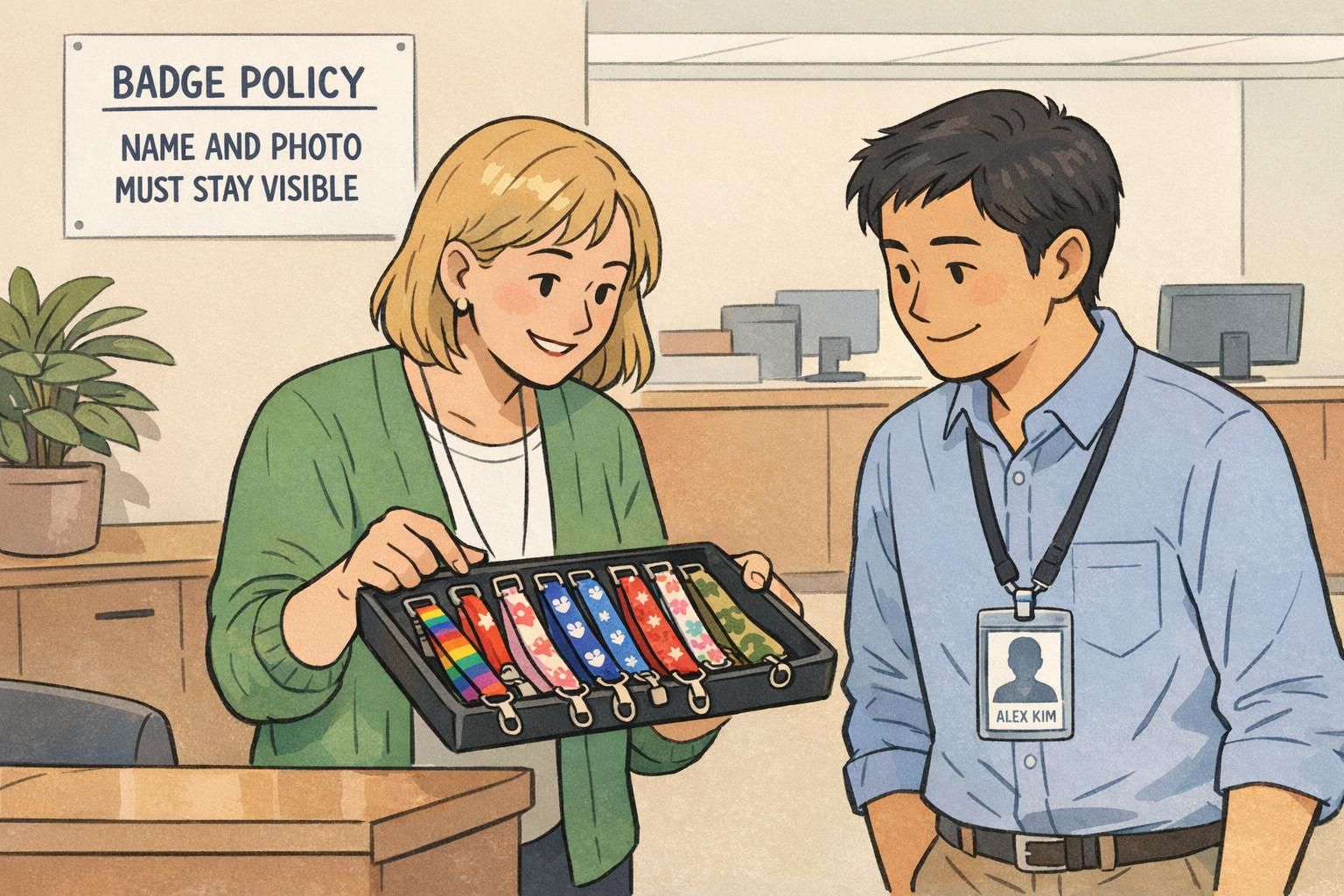
Why personalized lanyards can strengthen a badge program (without reducing clarity) Personalized lanyards are one of the easiest ways to add a human touch to a...
Read more
Why onboarding badges reduce first-week social friction The first week at a new job is a lot of tiny decisions: Who do I say hi to? Do they know my name? Am I...
Read more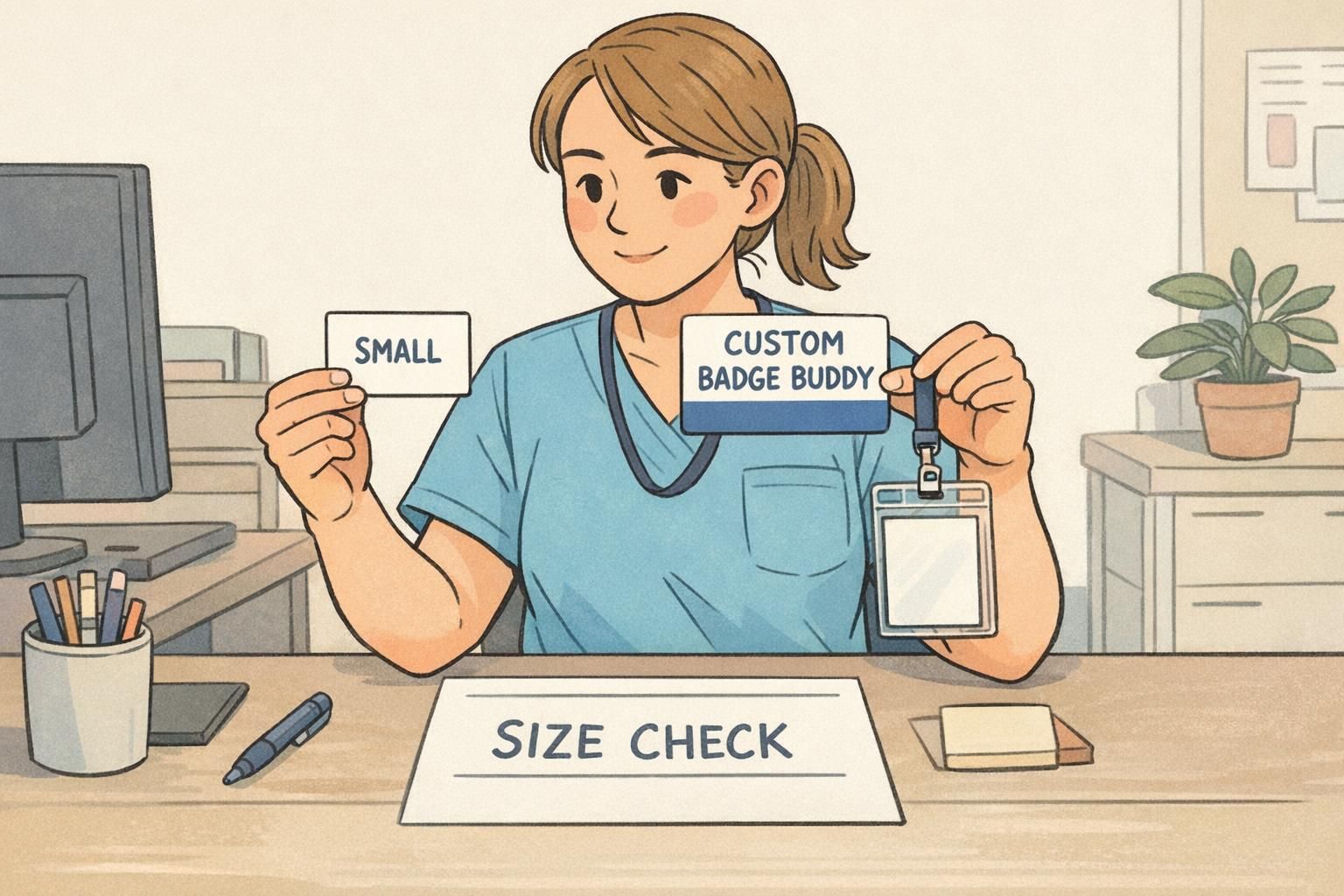
Why a Custom Badge Buddy Is Sometimes the Best Fit A custom badge buddy isn’t just about looking different—it’s often a practical fix for real workflow problem...
Read more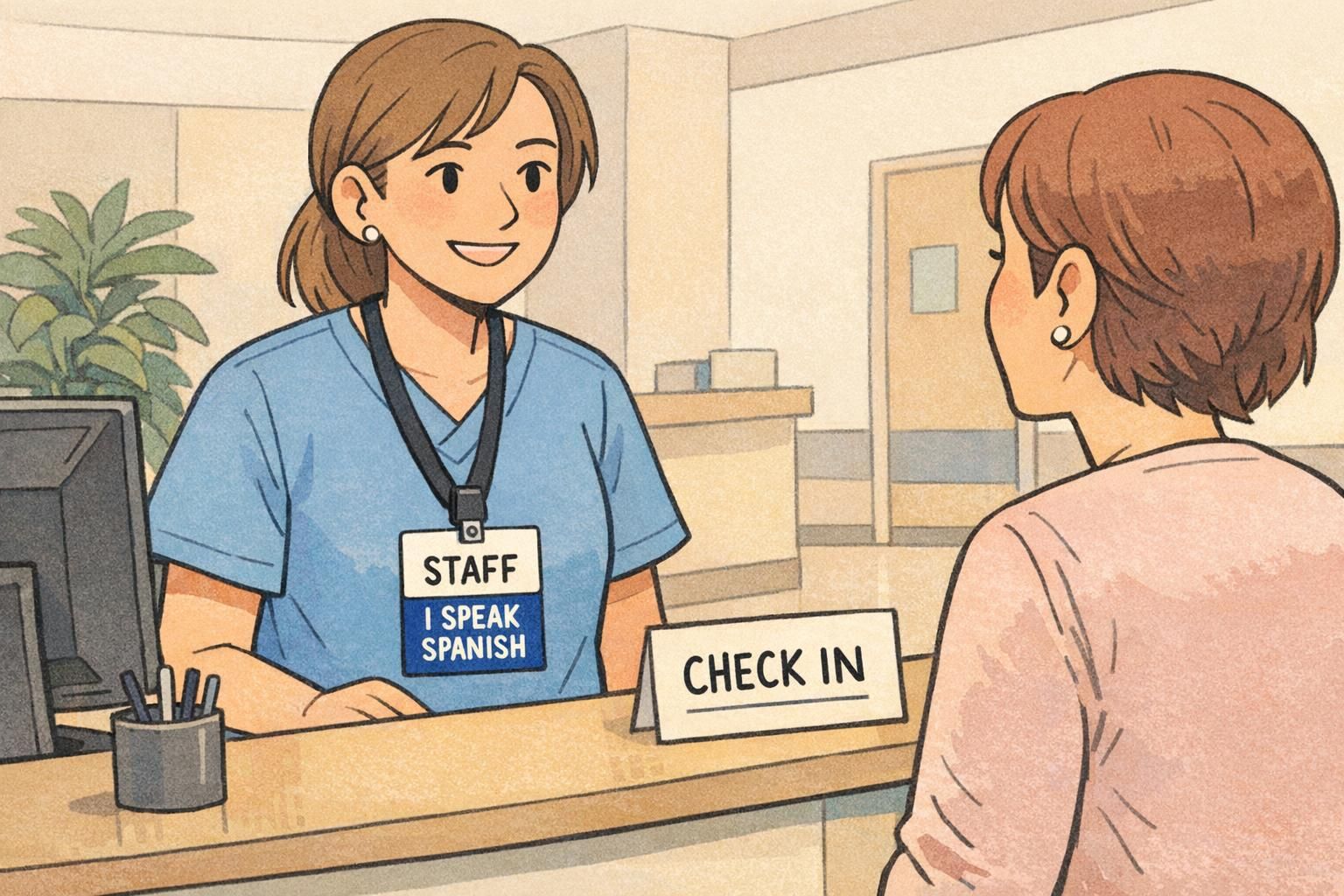
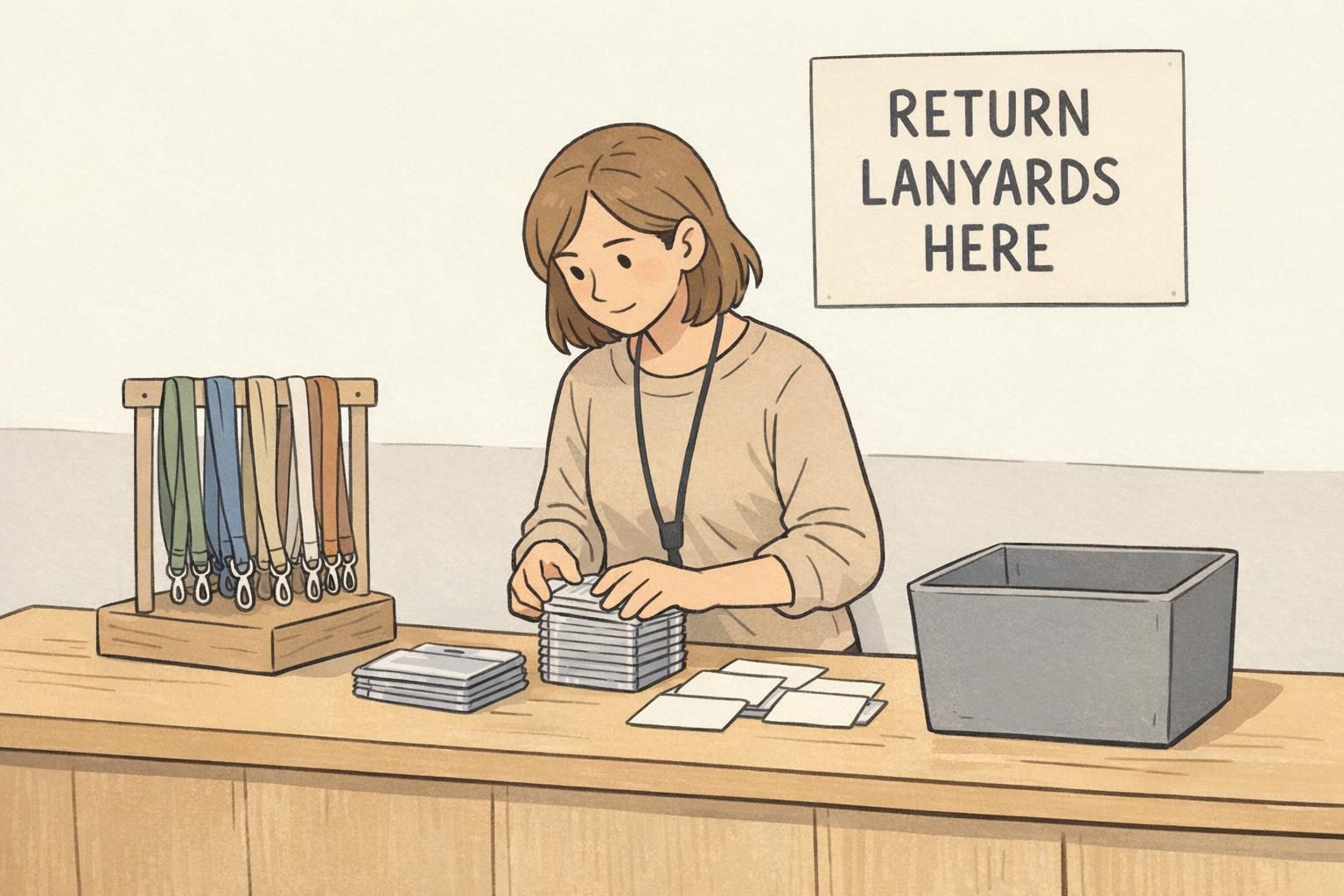
Why eco friendly lanyards are a smart starting point for greener ID programs Eco friendly lanyards are one of the simplest ways to make a badge program greener...
Read more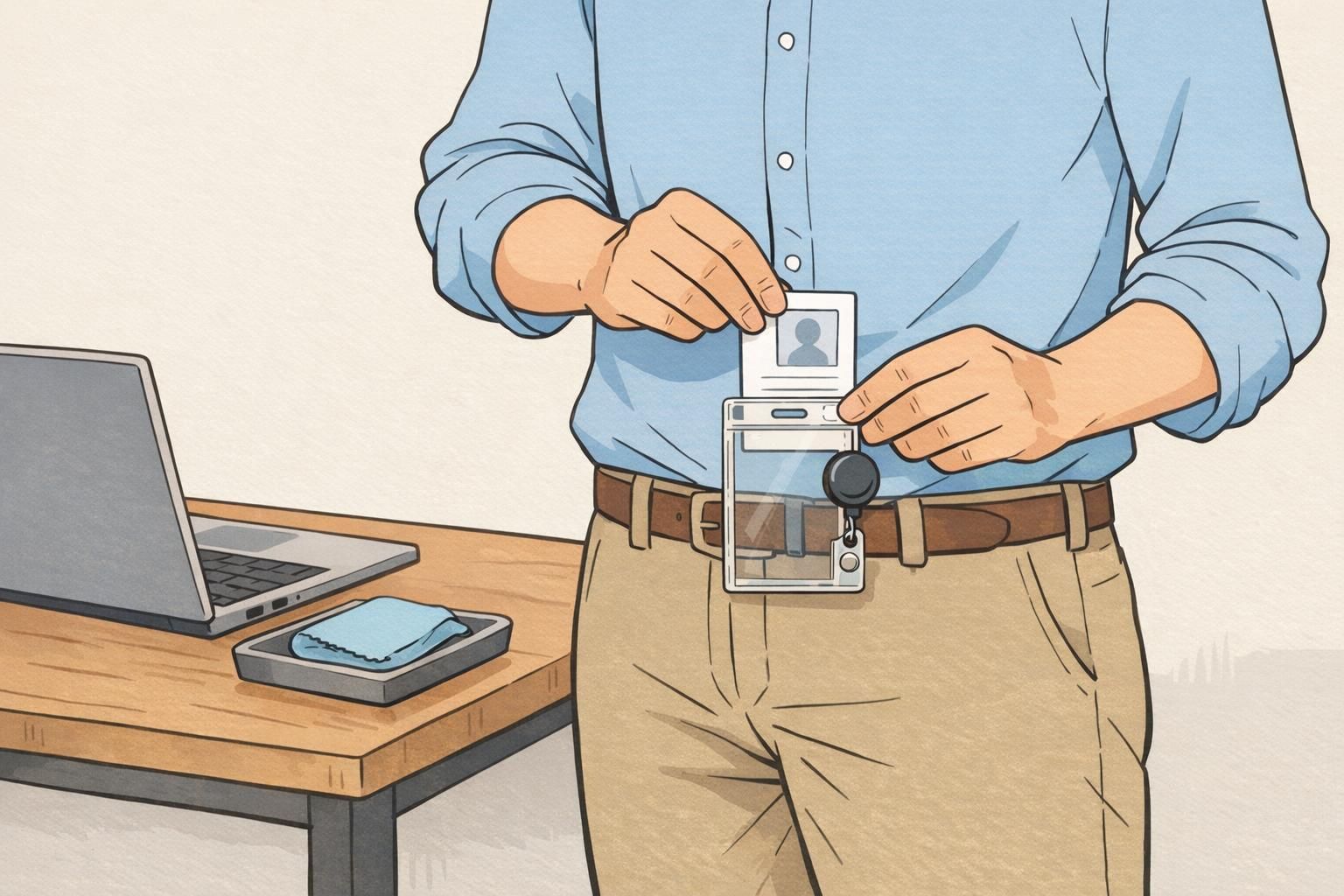
Why Badge Wear-and-Tear Happens (and Why It Matters) Badge durability tips usually start with a simple truth: most ID cards don’t fail because they’re “low qua...
Read more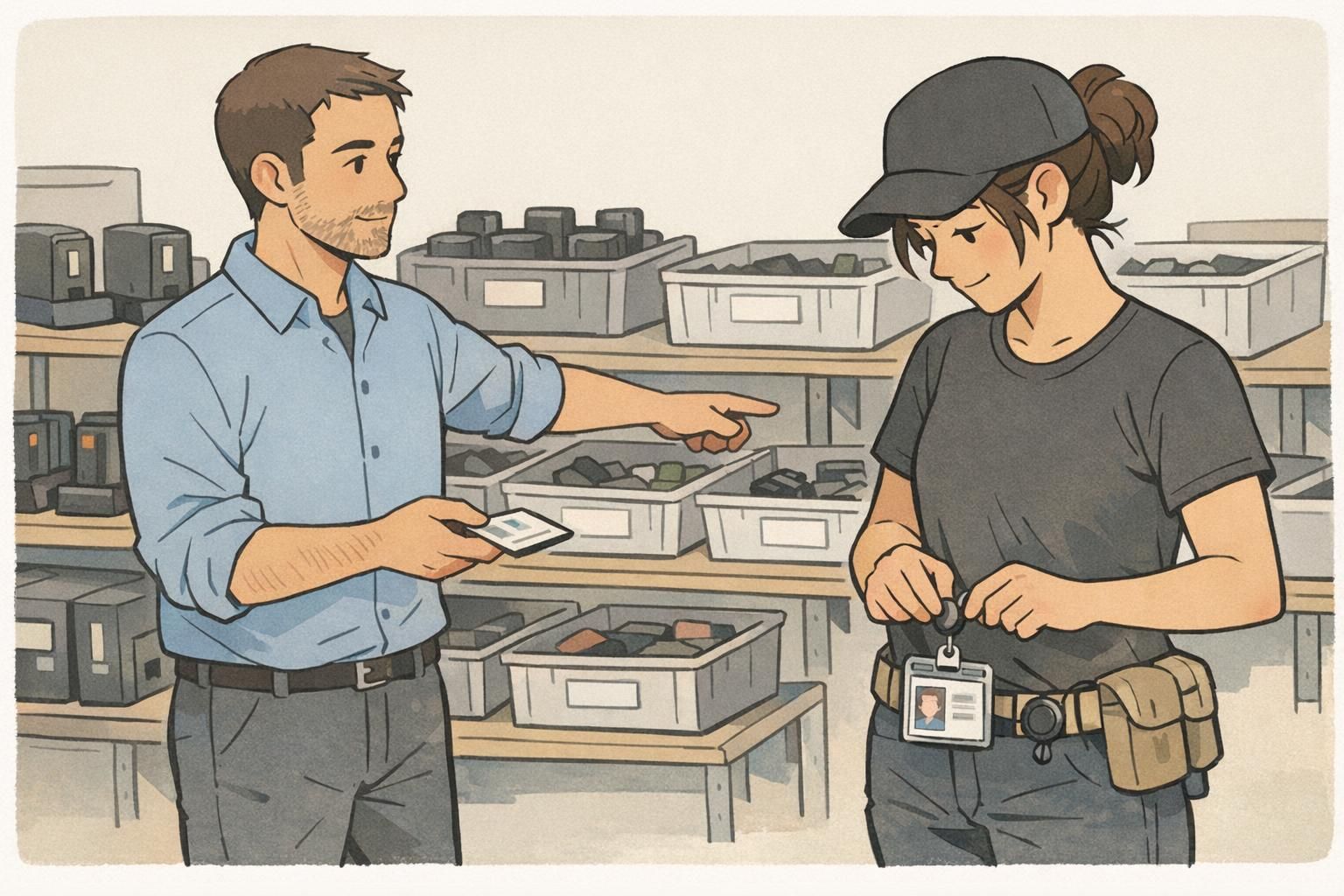
Why a Shift Work Badge System Matters for Quick Change Staff When teams rotate quickly—between stations, roles, or access points—identification can either keep...
Read more
Why school lanyards matter for safety, comfort, and routine School lanyards aren’t just a “nice-to-have” accessory—they’re part of the daily rhythm that helps...
Read more