What a healthcare badge buddy does
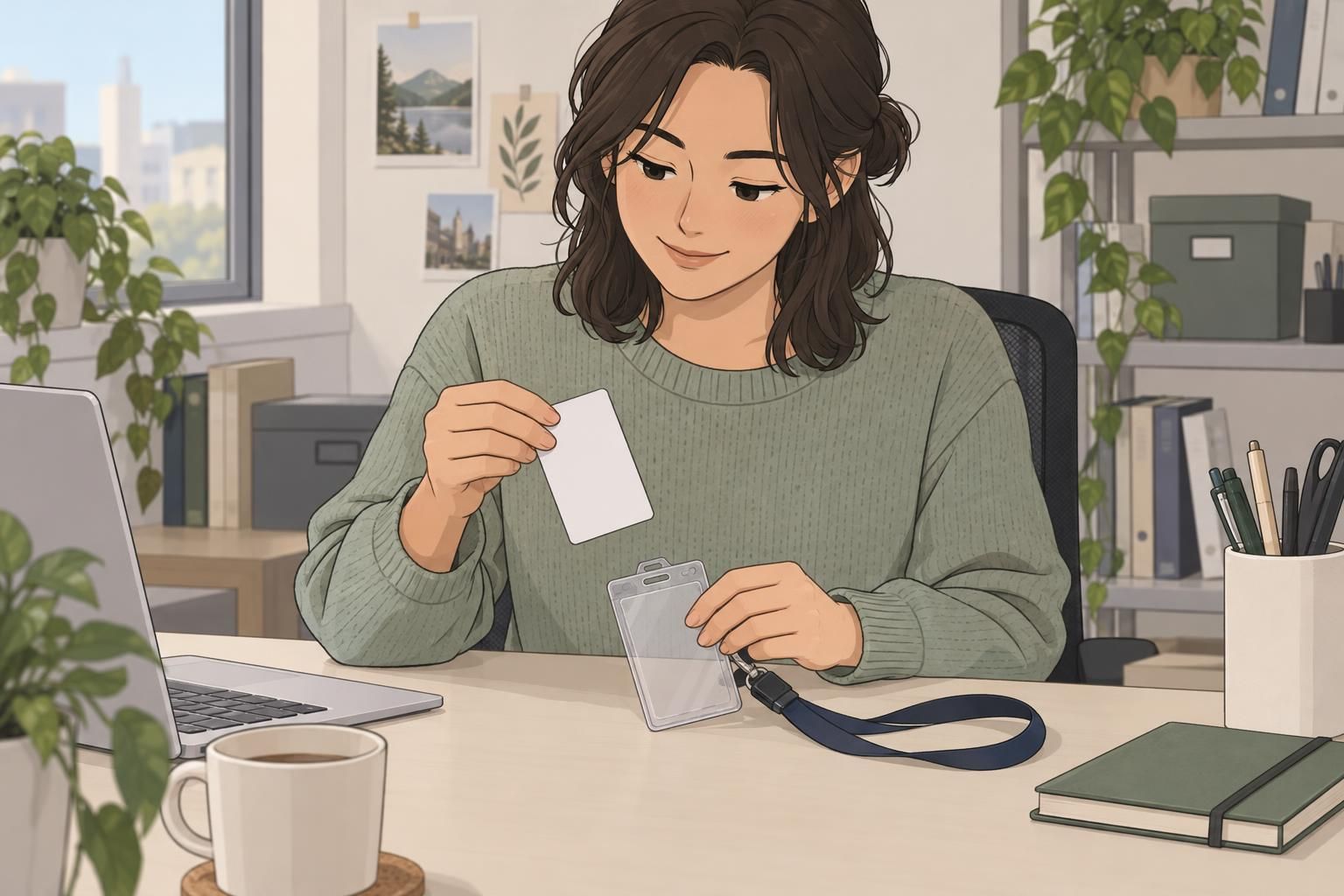
A healthcare badge buddy is a supplemental card that attaches to an official ID badge and makes the wearer’s role, department, or training level easier to recognize. Its purpose is straightforward: give patients, families, and colleagues a readable cue about who someone is within the care team, without making them search through smaller details on an ID.
In busy care settings, an introduction may happen at a bedside, in a hallway, or during a brief conversation. A clearly displayed role label supports that introduction by keeping the person’s role visible. The badge buddy complements the official badge; it does not replace the photo, identity details, access functions, or credential information that belong on formal identification.
Think of it as a focused communication layer. The official badge carries the required identification, while the additional card emphasizes a short, useful message. Keeping those responsibilities separate helps teams avoid overcrowding the badge buddy with details that would make its main label harder to read.
Common healthcare roles and labels
A useful role identifier starts with wording people can understand. Facilities may label nurses, physicians, residents, students, nursing assistants, therapists, pharmacists, social workers, interpreters, and operational staff. The goal is not to fit every responsibility onto one card. It is to make the wearer’s role recognizable through a consistent, approved label.
- Nursing: Use an approved label such as “RN” or “REGISTERED NURSE,” with department information only when it adds useful context.
- Physicians and trainees: Choose labels that clearly distinguish the role or training level, such as “PHYSICIAN,” “RESIDENT,” or “FELLOW.”
- Other care team members: Use clear wording for therapists, pharmacists, social workers, interpreters, and nursing assistants.
- Students and operational staff: Identify the person’s actual role or training status using the organization’s agreed terminology.
A role can stand alone or be paired with a unit, such as “RN—ICU” or “TECH—ED.” Before using a shortened label, consider whether its intended readers will understand it. Familiar internal shorthand may need explanation during an introduction. Standardizing the wording across departments helps the same role mean the same thing wherever the badge appears.
When an RN badge buddy or training-level label helps
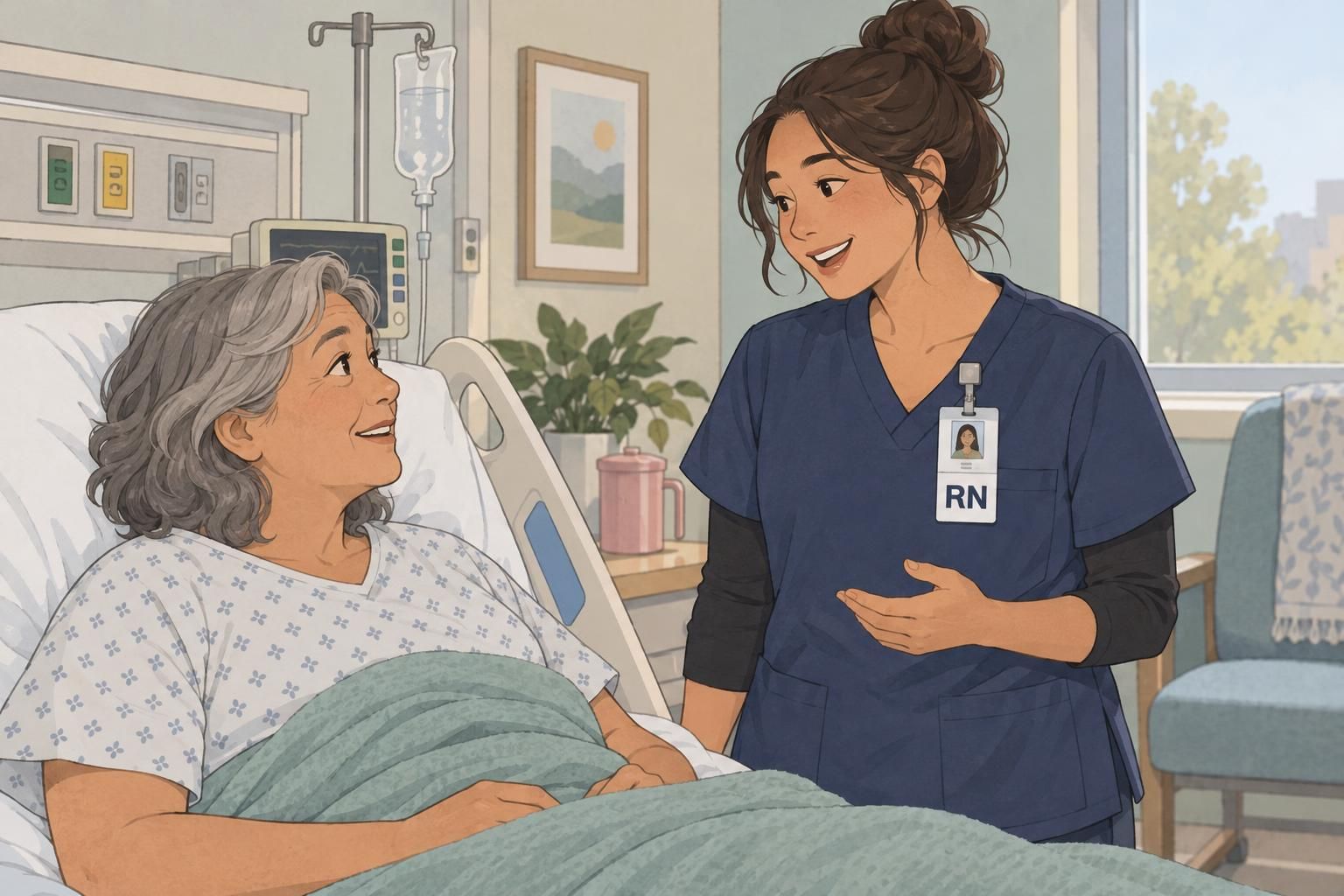
An RN badge buddy makes a nurse’s role easier to spot without asking patients or coworkers to rely on uniform details. That can be particularly useful when clothing makes roles less apparent. The visible label supports a spoken introduction, giving the reader another way to recognize who is participating in care.
Teaching settings also benefit from clearly presented training levels. Labels such as “STUDENT,” “RESIDENT,” and “FELLOW” help distinguish people whose responsibilities and training differ. These labels should reflect the wearer’s actual status and use terminology approved by the facility, rather than leaving patients to infer a training level from appearance.
Research on patient perspectives supports the practical value of this information: patients value knowing providers’ training levels and can find clearly labeled badge buddies helpful (source). This supports using clear labels as a communication aid, not treating them as a substitute for formal identification, credential information, or clinical protocols.
A role label supports an introduction; it does not complete one. Pair the visible wording with a clear explanation of the wearer’s role when needed.

Healthcare badge buddy layout tips for readability
The most effective healthcare badge buddy layout gives the role label clear priority. Readers should not have to sort through competing lines, decorative lettering, or crowded details to find it. Start with the essential role, then add a department or training level only if the extra wording remains easy to read.
- Make the role the largest, most prominent element. Optional details should remain visually secondary.
- Use strong text-to-background contrast so the lettering is easy to distinguish from the card.
- Choose a plain sans-serif typeface with generous spacing rather than decorative or tightly packed lettering.
- Keep department and training-level wording short enough to preserve a clear visual hierarchy.
- Use color as a consistent supplement to the written label, never as the only way to communicate a role.
- Consider bilingual wording when it helps the intended audience and fits without crowding either language.
Review the design in context, not only as an enlarged screen preview. Test it from typical viewing distances and bedside angles while it is attached to the intended ID setup. If the main role becomes difficult to distinguish, simplify the layout before adding more information. A readable short label is more useful than a detailed card that requires close inspection.
Match the badge buddy to the official ID
A clear design also needs a compatible physical setup. Choose an orientation and attachment that work with the existing ID card, holder, and clip. Check the assembled arrangement rather than judging each piece separately: the buddy should remain visible without covering the official badge’s photo or required information.
For teams considering custom badge buddies, begin with the current identification setup and the wording the facility has approved. Those decisions provide a practical starting point for choosing a layout that fits the official ID instead of competing with it.
- Check that the orientation and attachment align with the existing card, holder, and clip.
- Keep the photo, barcode, access technology, and required identification information unobstructed.
- Confirm that the selected materials meet facility cleaning and infection-control requirements.
- Pilot the assembled setup with staff and patients to review visibility, fit, and terminology before a wider rollout.
Use the pilot to check practical questions: Can readers see the role easily? Does the wording make sense? Does the arrangement keep the official ID clear? Refining those details early helps the final setup serve both role recognition and formal identification.

Plan role labels and color use consistently
Color can reinforce a role system, but only when its meaning is consistent. Before adopting a palette, document which colors correspond to which role groups. Pair every color with readable text so that the label still communicates its meaning to someone who does not know the color guide or cannot readily distinguish the colors.
Choose distinguishable colors while preserving strong contrast between lettering and background. Then standardize the terms used throughout the organization. If one department uses a full role name and another uses an abbreviation, confirm that the difference is intentional and understandable rather than an accidental inconsistency.
Keep a shared guide that records approved role wording, optional unit labels, and color assignments. Review it when roles or staffing structures change. This helps each role identifier remain consistent across departments and gives teams a reference when a new label is needed.
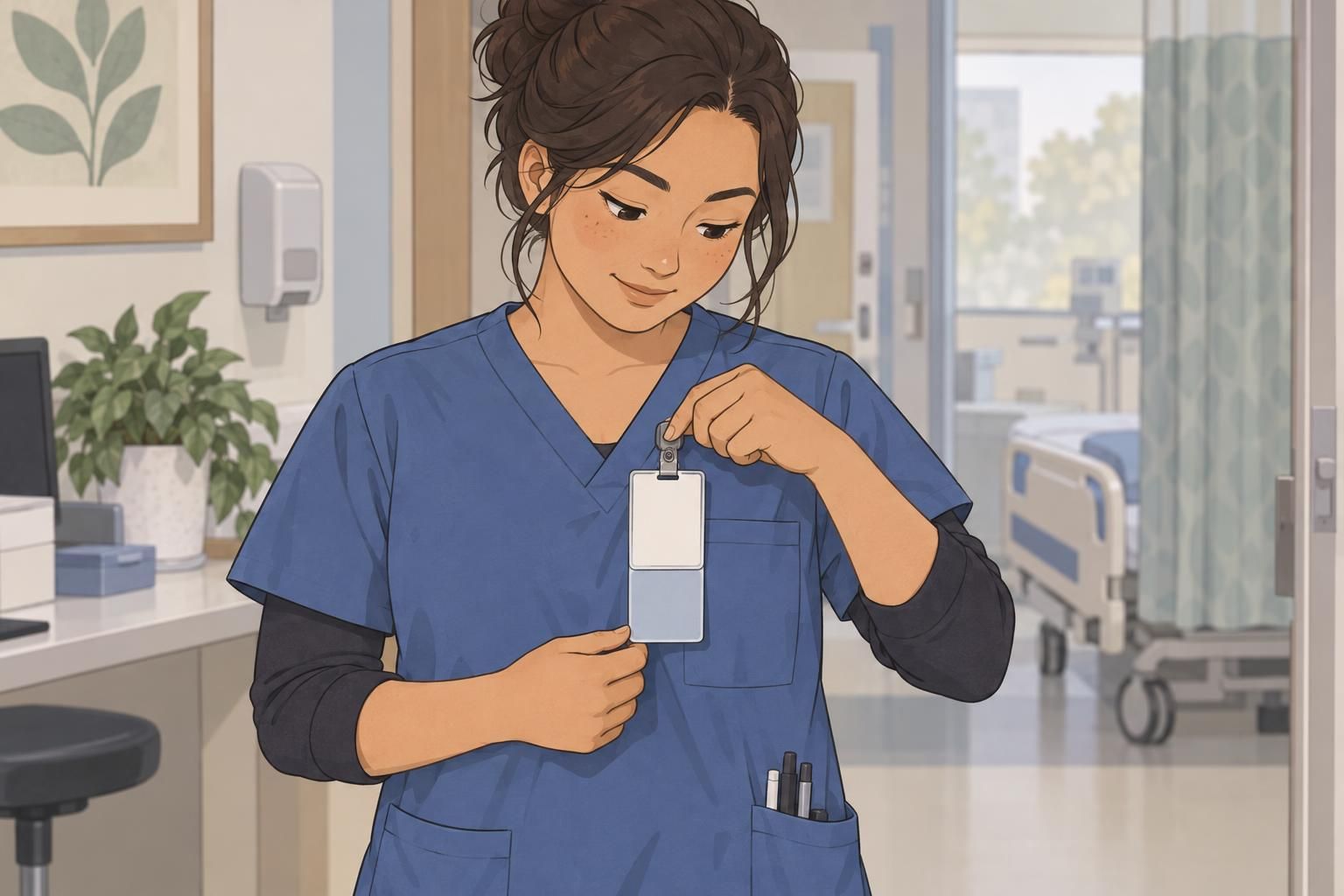
Keep role clarity alongside formal identification
A healthcare badge buddy works best when its purpose stays focused: make the wearer’s actual role or training level easier to recognize. The official ID remains the source for identity and any required access or credential information. Both pieces should remain readable and work together as part of the facility’s identification practices.
Before implementation, confirm local security, branding, accessibility, and terminology requirements. Review the wording as carefully as the physical layout so that a label does not imply authority beyond the wearer’s role. Where a term may be unfamiliar, a clear introduction can provide context without adding more text to the card.
Keep the role prominent, the wording consistent, and the official ID unobstructed. A well-planned badge buddy supports confident introductions while preserving the distinct purpose of formal identification.