First Impressions Name Tag: How Names Shape Everyday Interactions at Work and Events
Why a First Impressions Name Tag Changes the Conversation
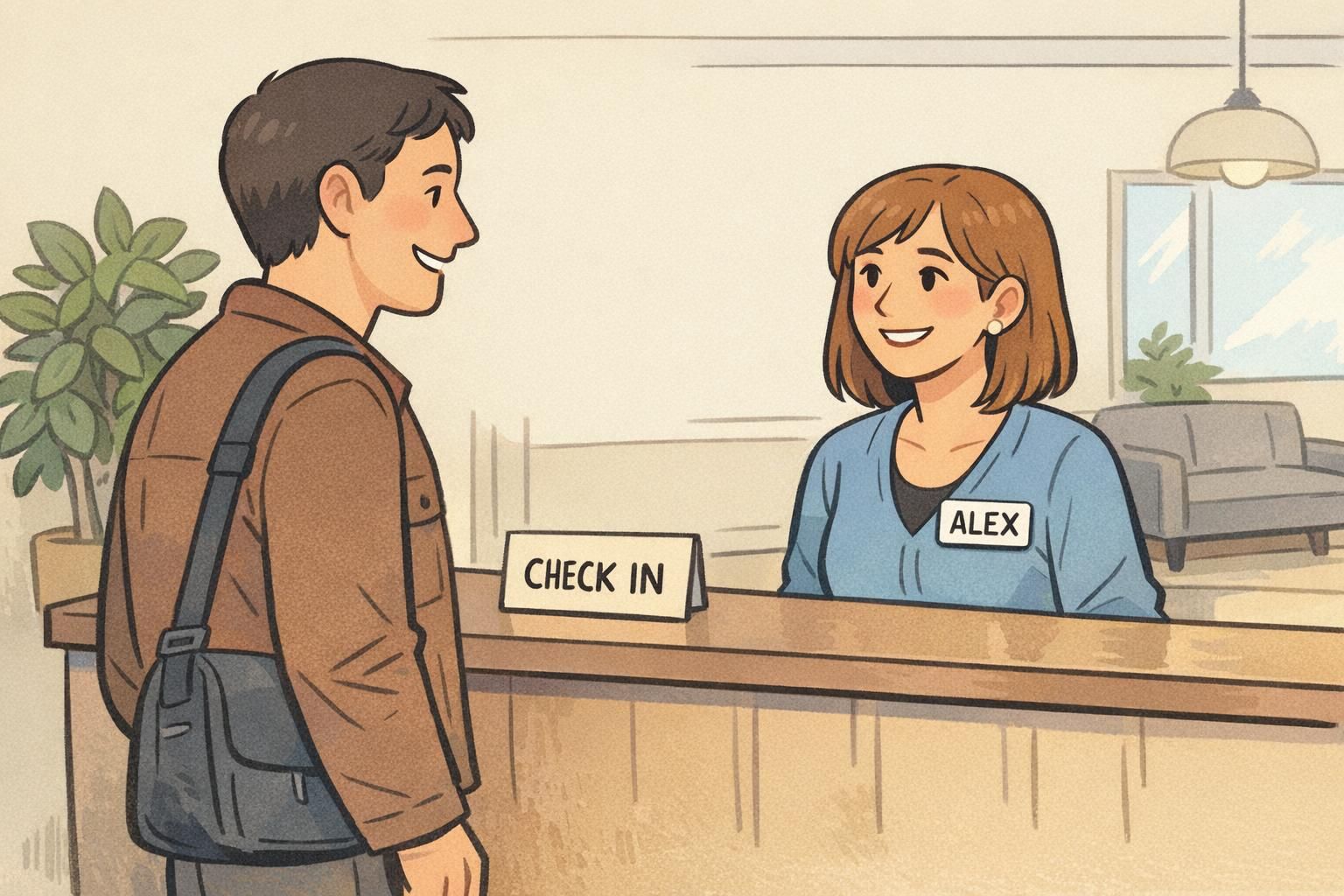
A first impressions name tag does something surprisingly powerful: it removes the “what do I call you?” hesitation that can make a greeting feel stiff. When someone can see your name right away, they’re more likely to start with a confident, friendly opener—“Hi, Alex”—instead of defaulting to vague small talk or avoiding an introduction altogether.
That small shift matters in everyday places where people recognize faces but don’t always know names: offices with multiple departments, rotating schedules, shared buildings, volunteer shifts, trainings, and conferences. Visible names also help visitors and new hires feel less like outsiders. Instead of guessing who’s who, people get a clear cue that makes interaction feel natural and respectful.
When names are easy to read, introductions become simpler, repeat conversations happen sooner, and everyday interactions feel more comfortable—especially in busy workplaces and events.
Fast Judgments Are Normal: What People Notice in the First Seconds
Whether we like it or not, people form quick impressions in the first moments of an interaction. We’re scanning for basic cues—friendliness, confidence, and simple clarity about who someone is. Those early impressions can linger, even if later information adds nuance or changes the situation.
In practical, everyday terms, that’s one reason name visibility helps: a clearly readable name reduces uncertainty right away. It’s not about “gaming” perception. It’s about making the first seconds socially easier—so people can focus on the actual conversation instead of mentally scrambling for how to address someone.
Research on first impressions supports the idea that rapid judgments are common and can be surprisingly persistent (source). A readable name doesn’t replace warmth or professionalism, but it can support both by making the interaction smoother from the start.
- People notice quick identity cues immediately (name, role, where you belong).
- Uncertainty can create awkwardness—especially when you’ve “met before” but can’t recall details.
- A clear name gives a polite default: it makes greeting someone feel easier and more human.
The Name Badge Impact: Familiarity, Recognition, and Reduced Social Friction
The name badge impact shows up in the moments that otherwise create social friction: the pause before saying hello, the “I’m sorry—what was your name again?” apology, the missed chance to reintroduce someone properly. When people can pair a face with a name quickly, they’re more likely to reconnect and continue a conversation where it left off.
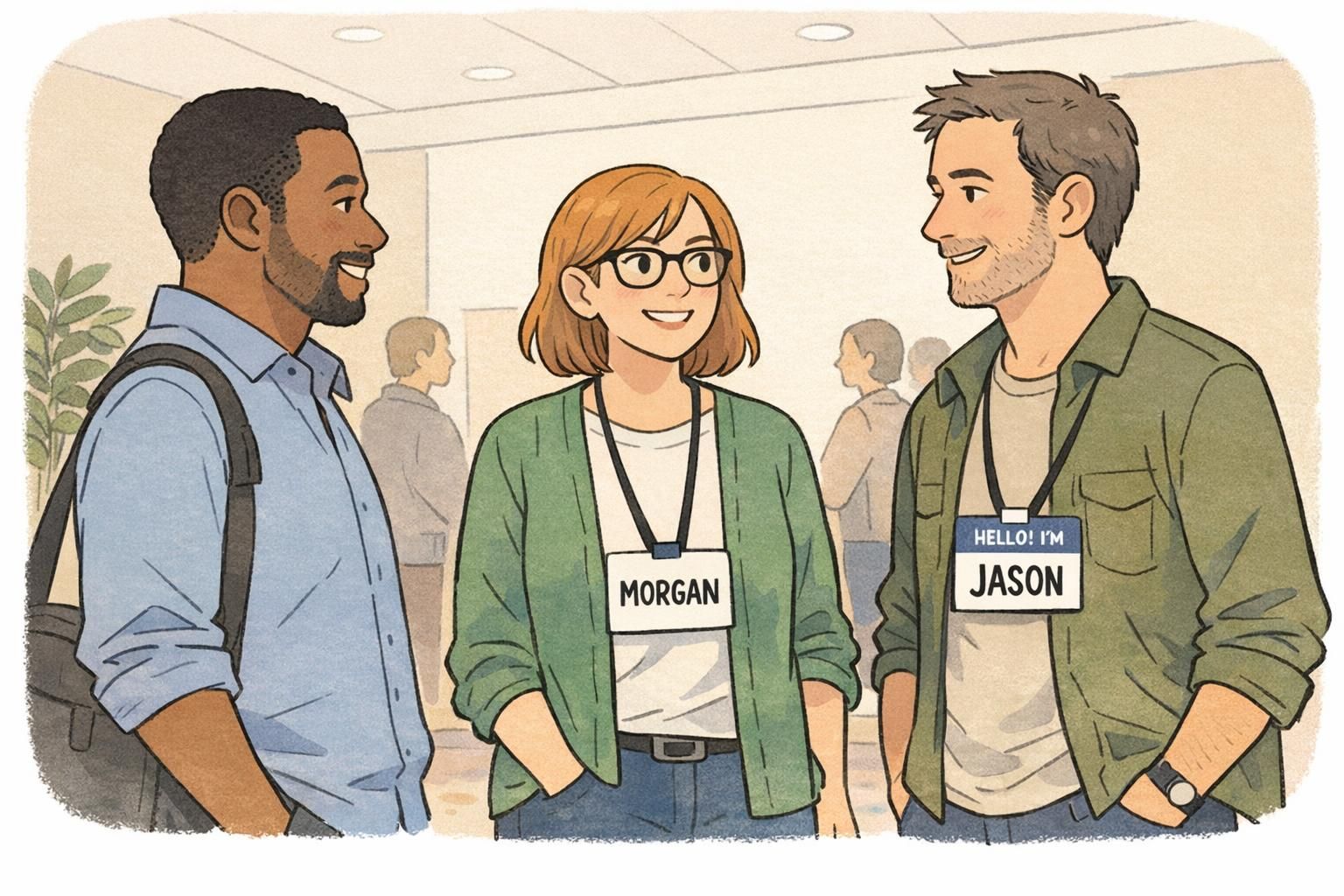
At events, this matters because you meet many people in a short time—and you’re often switching between conversations quickly. In workplaces, it’s especially useful in large headcount environments, multi-site organizations, or schedules where you don’t see the same coworkers every day. Name visibility supports familiarity without requiring perfect memory.
“I don’t realize how much mental energy I spend trying to remember names until I’m in a meeting where everyone’s badge is actually readable. The whole room feels more relaxed.” – Team Lead
- More repeat conversations: people re-engage faster when they can confidently use a name.
- Better introductions: it’s easier to introduce coworkers or guests accurately.
- Smoother cross-team work: names help when you know someone’s face but not their department.
Small Design Tweaks That Make Names Easier to Notice
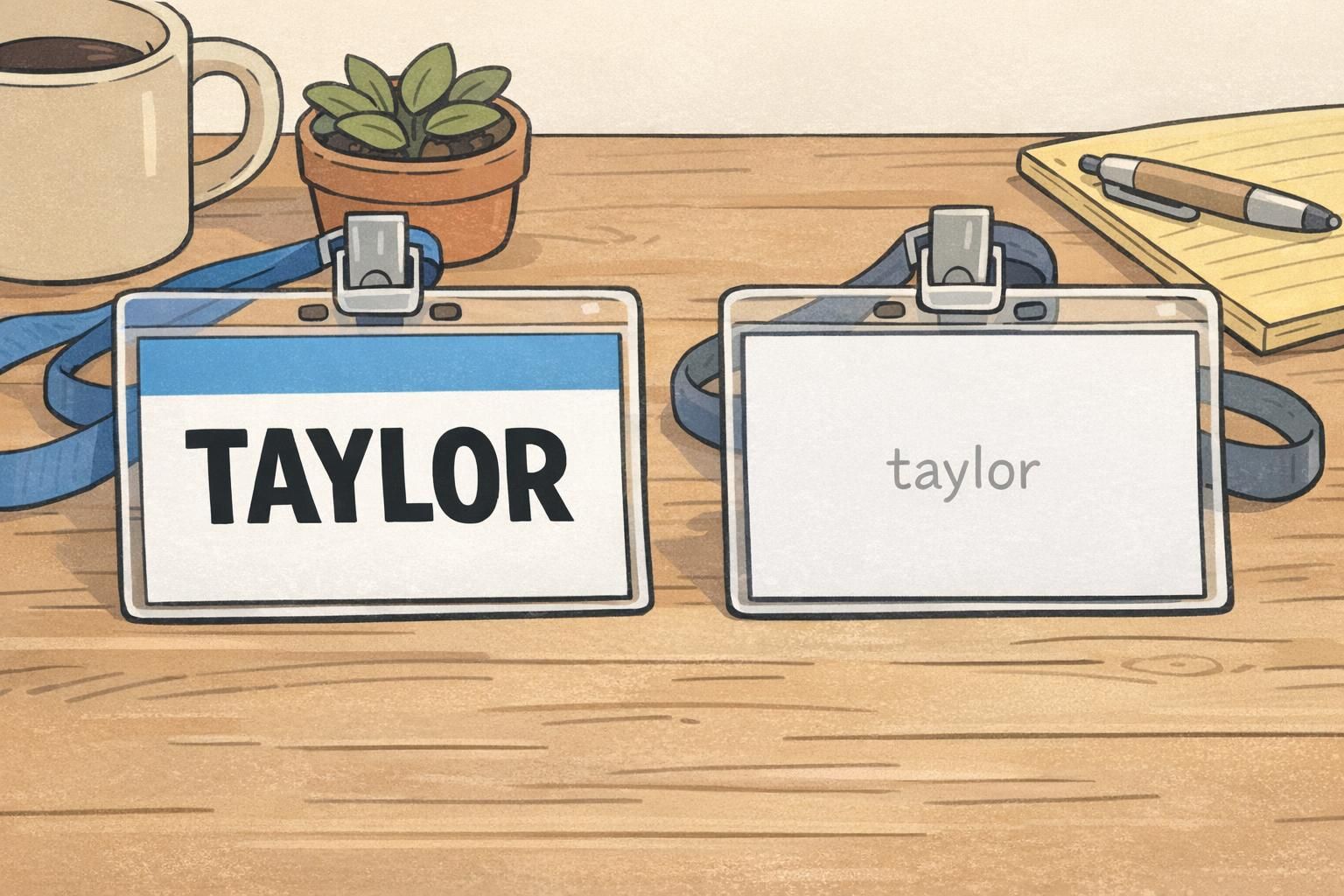
Most name tags and badges don’t fail because they’re missing information—they fail because the name isn’t the most visible element. If the goal is easier introductions, the design should treat the name as the headline and everything else as supporting detail.
Good readability is usually a combination of typography, contrast, spacing, and the way the badge is worn. Small, practical tweaks can make a big difference without changing your entire identification system.
- Make the name the largest text on the badge (a true headline).
- Use strong contrast (dark text on a light background is the simplest default).
- Choose a clean sans-serif font and avoid overly condensed letterforms.
- Leave generous whitespace so the name doesn’t look crowded.
- Keep secondary details (pronouns, role, department) smaller and truly secondary—only include them if they don’t shrink the name.
- Pick a wear method that keeps the badge upright and visible (so it doesn’t twist or flip during normal movement).
If someone has to lean in to read the name, the design isn’t doing its job. Prioritize legibility at a normal conversational distance.
Where Name Visibility Helps Most: Offices, Events, Visitors, and Cross-Functional Teams
Different environments create different “name needs,” but they share a common theme: people want to interact smoothly without feeling awkward. The more frequently someone meets new faces—or re-meets familiar faces without strong name recall—the more valuable clear identification becomes.
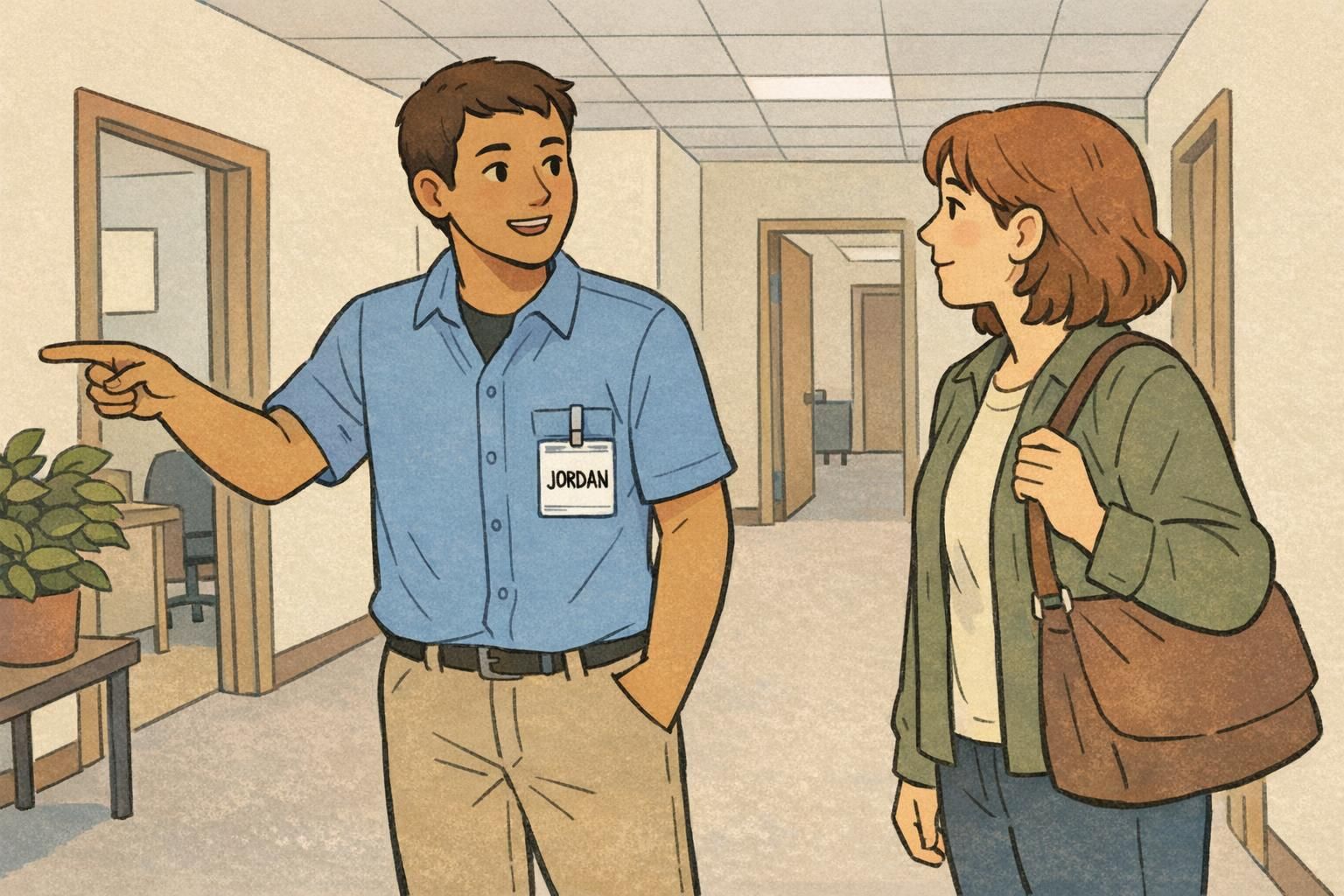
In offices, name visibility supports day-to-day comfort. At the front desk, it can help a visitor feel immediately oriented. In hallways and shared spaces, it reduces the friction of “I know you, but…” moments. In cross-functional work (IT, facilities, HR, operations, clinical-adjacent settings, or multi-role sites), it helps people quickly address the right person with a polite, human start.
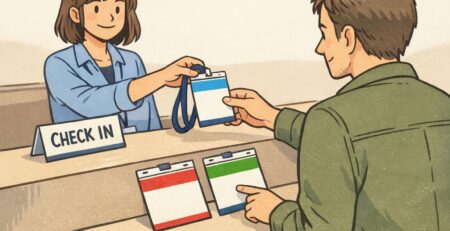
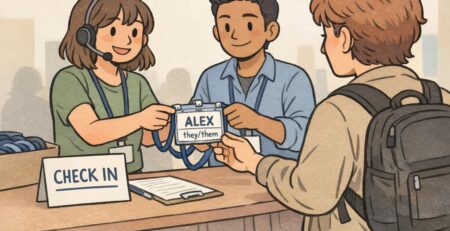
- Front desks and visitor areas: makes check-in feel more personal and less transactional.
- Conferences and trainings: supports rapid networking and easier follow-up conversations.
- Multi-department workplaces: helps collaboration when teams don’t interact daily.
- Rotating schedules and shift work: improves recognition when you see different people each week.
- Facilities and healthcare-adjacent environments: supports professionalism and smoother wayfinding in everyday interactions.
Badge Buddy and Role Cues: Helping People Approach the Right Person
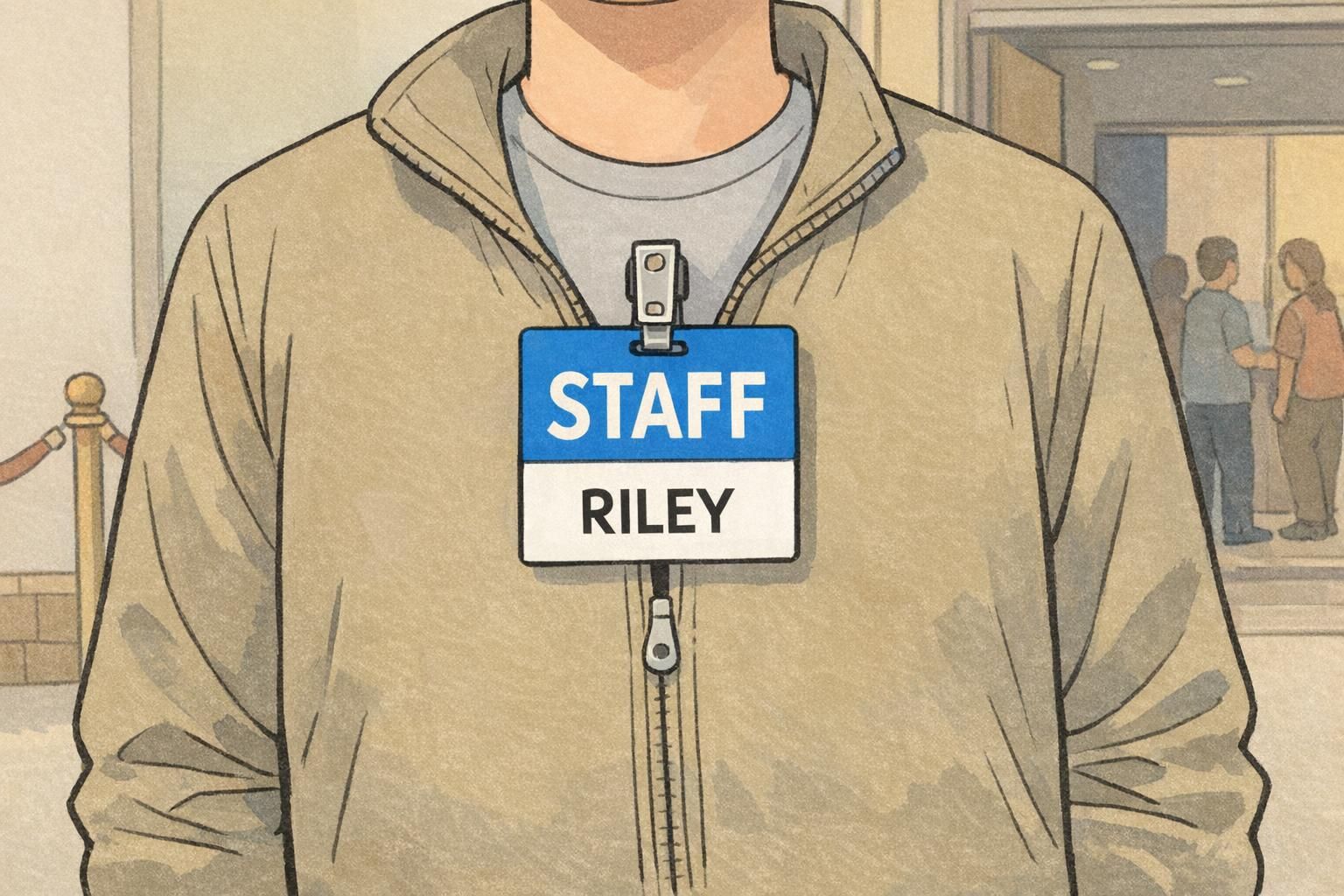
Sometimes the name isn’t the only thing people need. At events, entrances, multi-tenant sites, or volunteer-led operations, roles can matter just as much—staff versus visitor, speaker versus attendee, security versus vendor. The challenge is adding role clarity without shrinking the name into tiny text.
That’s where a badge buddy can help. Instead of cramming more labels onto the main badge, a backing card adds a bold, at-a-glance role cue while keeping the name large and readable on the front badge. This supports smoother interactions: attendees know who to ask, visitors know who can help, and staff don’t have to repeatedly explain their role.
- Keep the name large on the main badge; treat role as a separate, bold cue.
- Use standardized, short role labels (for quick comprehension).
- Consider color-coding by department or access level when appropriate—keep it consistent.
- Avoid creating too many role types; fewer categories are easier to recognize.
Workplace Relationships Start with Clarity (Not Guessing)
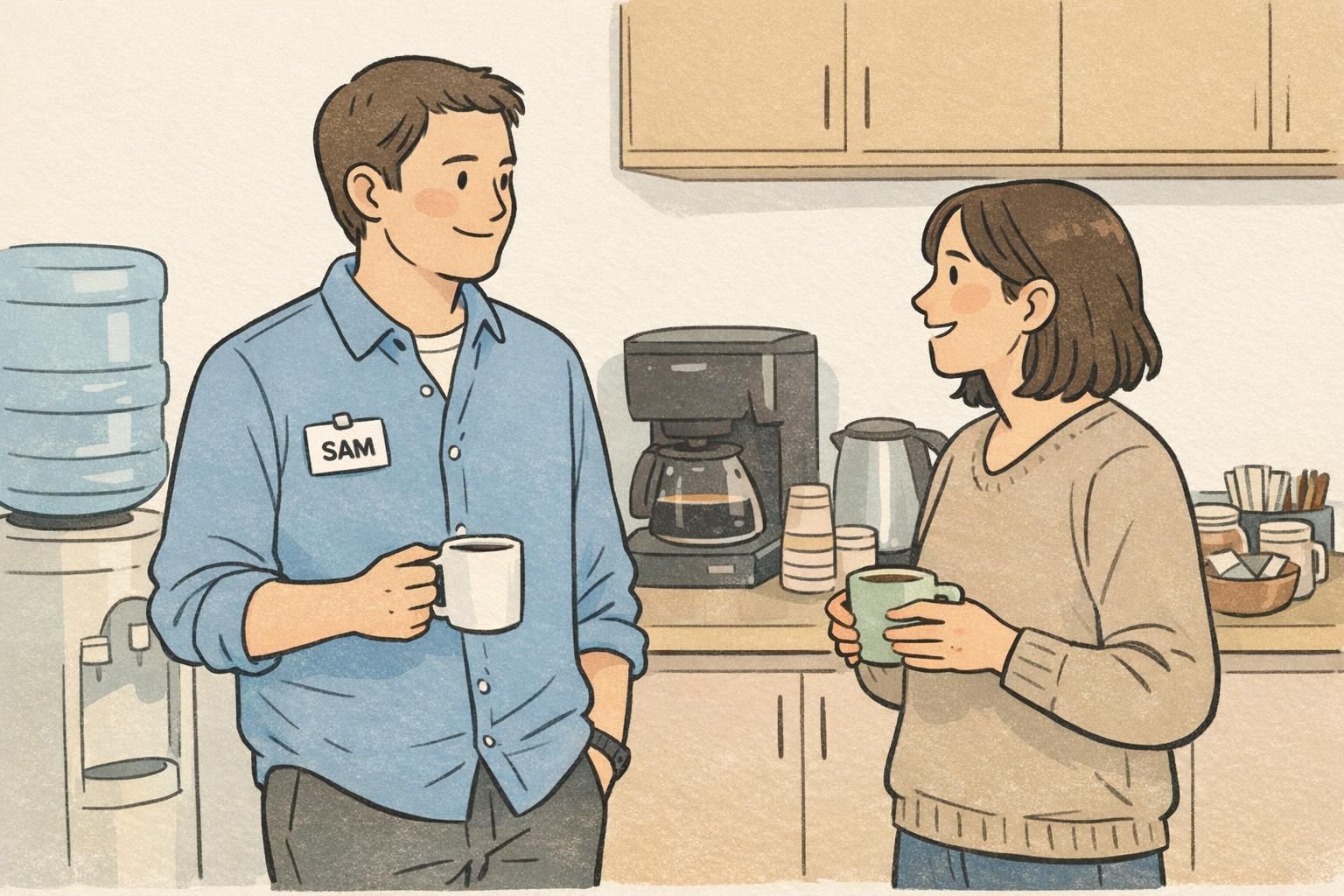
Strong workplace relationships are built over time, but they often start with tiny moments: a greeting in the hallway, a quick handoff, a question during a busy shift, an introduction in a meeting. When people don’t have to guess names or hesitate over how to address someone, those moments become easier—and easier moments happen more often.
Clear identification can be especially supportive for new hires, contractors, and visitors, because it creates a socially safe default. It reduces the pressure to remember everyone instantly and helps people engage without feeling embarrassed about forgetting a name. Over weeks and months, that reduced friction can translate into more check-ins, smoother collaboration, and faster trust-building across teams.
Workplace relationships tend to grow when everyday interactions are frequent and low-friction. Readable names help remove one of the most common “small” barriers.
“The best part of clear badges is how quickly new people settle in. They start using names right away, and that changes the tone of the whole team.” – Operations Coordinator
Picking the Right Format: Name Tags vs. ID Badges vs. Event Badges
The right format depends on where and how the badge will be used. Some situations primarily need visibility and approachability, while others also require policy-based identification, access workflows, or visitor management. You don’t have to pick only one approach—many organizations use a mix.
A simple rule is to prioritize name readability first, then layer in role, organization, and security needs as appropriate. That way, your identification supports both human interaction and operational clarity.
- Name tags: best for day-to-day visibility and easy conversation (offices, retail, volunteer teams, community settings).
- ID badges: best for ongoing identification and workplace policy needs; commonly used with holders, clips, or lanyards to keep them visible and consistent.
- Event badges: best for short-term groups and check-in workflows; can support fast networking while still keeping the first name prominent.
If you’re building or refreshing a badge system, it can help to standardize layouts so names stay consistently readable across departments and use cases. BadgeZoo offers custom name tags and ID badges that can be designed around clear name hierarchy, with options like different wear methods to keep badges facing forward and easy to read.
Add secondary details only if they don’t reduce name size or legibility. If the badge starts to feel crowded, keep the name as the priority and move role cues to a badge buddy or a separate, simplified line.
Increase the name text size, improve contrast, and add whitespace. Also check how the badge is worn—if it flips or twists, a different attachment method can make the name visible more consistently.
Yes. Many organizations use an employee ID for daily identification and an event badge for conferences, trainings, or special projects—especially when you want event-specific details without changing the standard workplace badge.