Student ID Culture in Schools: Building Responsibility and Belonging
Why student ID culture shapes daily habits and school pride
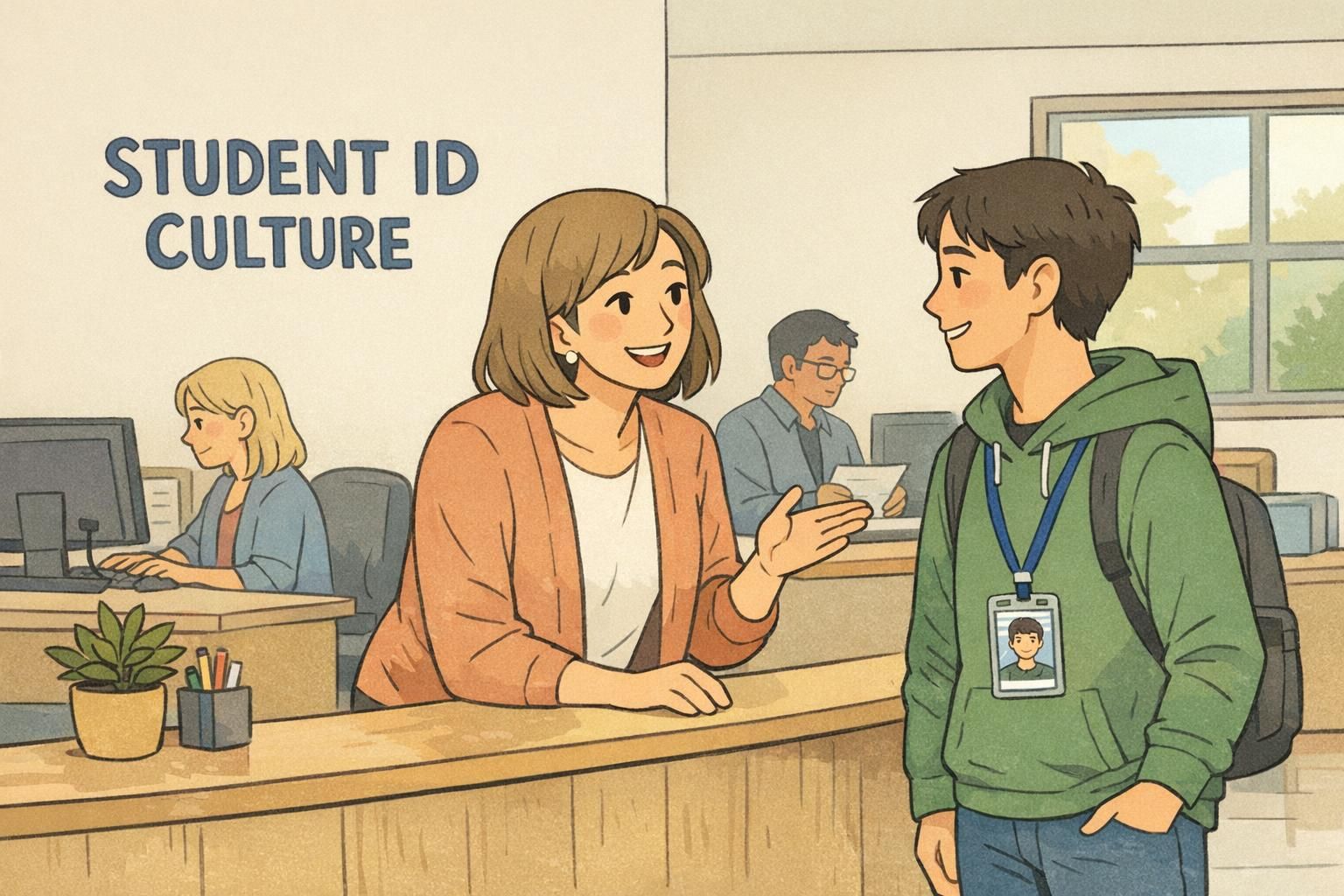
A strong student ID culture is about more than identification—it’s a daily routine that helps a school run smoothly while reinforcing positive habits. When IDs are used consistently, students practice remembering, carrying, and presenting an important item. Over time, that repetition becomes a life skill: keep track of what you need, be prepared when asked, and follow a shared norm without constant reminders.
The key is framing. IDs work best when the message is, “This helps us recognize each other and keep things organized,” rather than “This is another rule to catch you breaking.” When students see IDs as part of belonging—something everyone does—schools spend less time on conflict and more time on learning, transitions, and community-building.
The healthiest student ID culture feels like a routine, not a tug-of-war: clear expectations, simple systems, and a respectful tone.
School safety IDs: clarity at entrances, in hallways, and during events
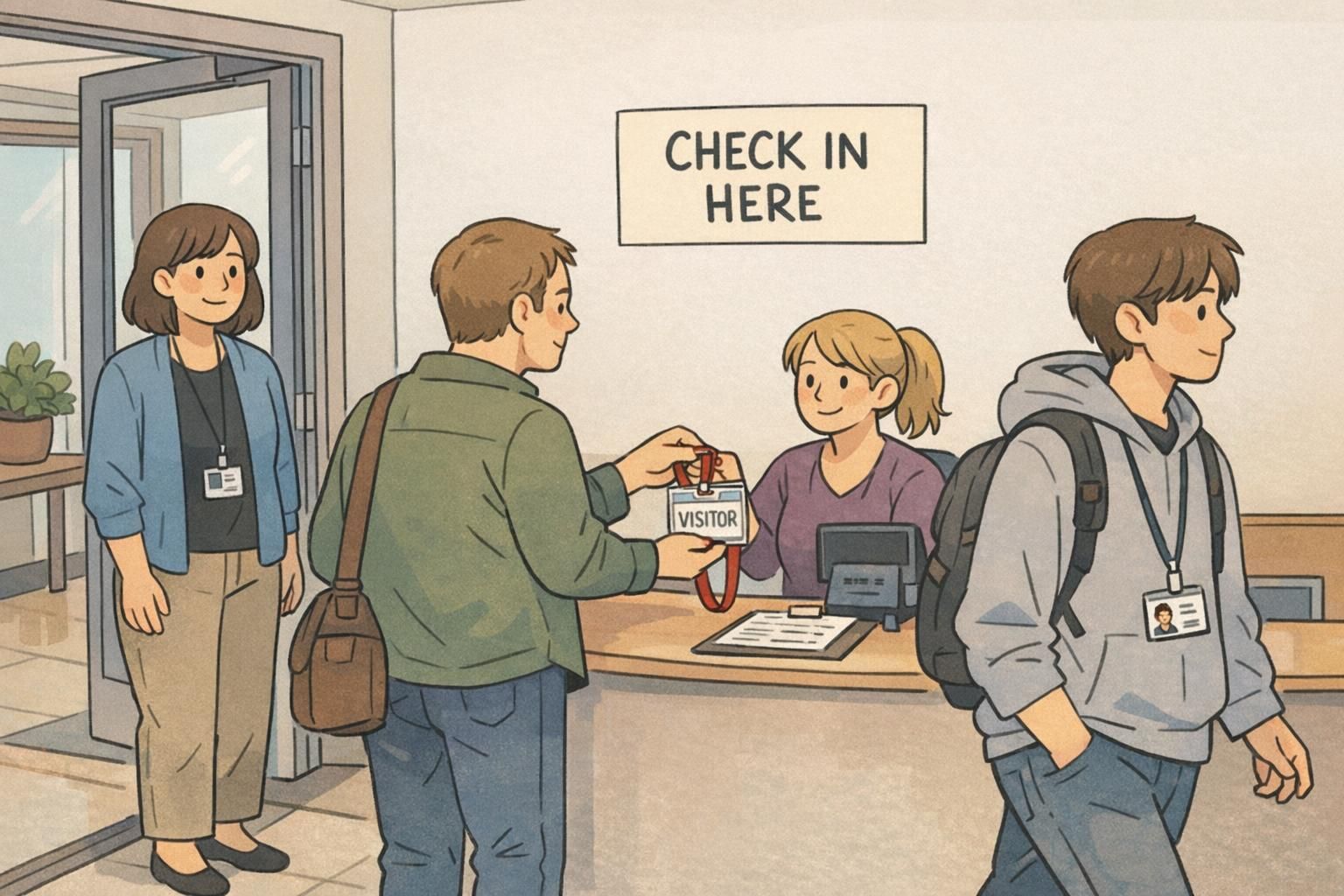
School safety IDs reduce confusion in busy spaces by giving staff a quick way to identify students, visitors, and authorized adults. In a typical school day, there are many moments when a visible ID can speed up decisions and reduce awkward interruptions—especially for staff who don’t know every student by name.
- Arrival and dismissal: Faster recognition during peak traffic times.
- Hallway transitions: Quick confirmation when staff are monitoring movement between classes.
- Substitute teacher days: A substitute can match faces to names more easily during attendance and classroom management.
- Assemblies and pep rallies: Staff can spot who belongs in student areas versus guest or staff sections.
- Field trips: Clear rosters and quick visual checks at buses, venues, and meeting points.
- After-school activities: Coaches and advisors can verify participation during pickup, entry, or travel.
Implementation matters. Visibility, durability, and consistent expectations typically do more for smooth operations than overly strict enforcement. Many schools find that a simple, predictable process (wear it this way, replace it this way, get a temporary pass this way) prevents small problems from turning into daily friction.
From belonging to responsibility: what research says about feeling connected at school
“Belonging” can sound abstract, but it has practical outcomes. Research consistently links students’ sense of school belonging with academic, behavioral, and psychological indicators of well-being. When students feel connected—seen by adults, included by peers, and supported by fair norms—they tend to do better and experience fewer negative outcomes. For a deeper overview of these associations, see this source.
This is where daily routines matter. An ID routine alone doesn’t create belonging, but it can support it when it’s implemented as a shared community practice. In other words, IDs work best alongside strong relationships, inclusive practices, and clear norms. When students hear a consistent message—“We all wear IDs because we’re part of this school”—the routine can quietly reinforce community while also building student responsibility through everyday repetition.
“When routines are predictable and respectful, students spend less energy on guessing what adults want—and more energy on learning and belonging.” – School climate team member
Age-appropriate ID routines (K–2): simple, teacher-led systems
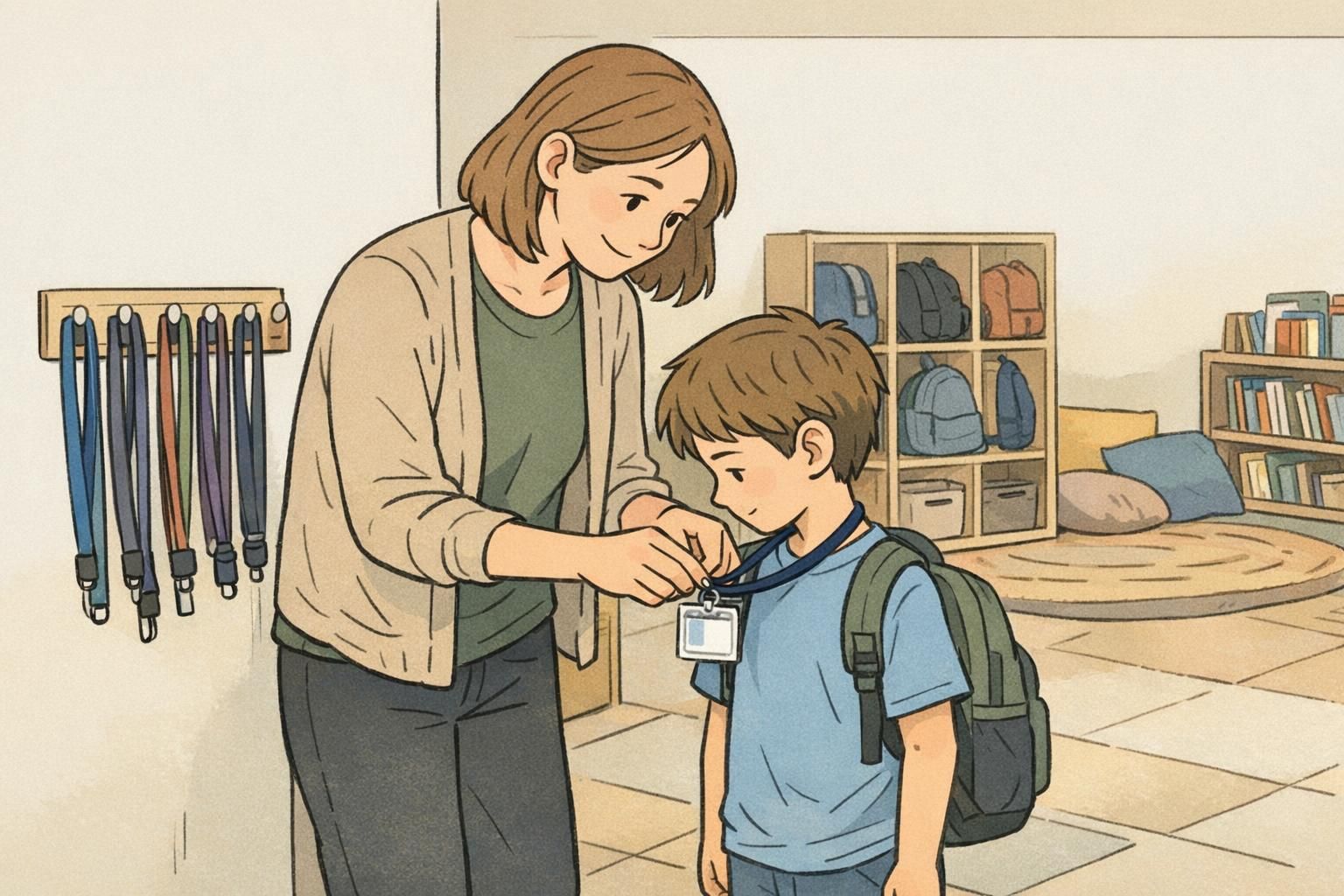
For K–2 students, the goal is consistency with adult support. Young children are still learning how to keep track of their belongings, so the most successful systems reduce decisions and reduce opportunities for loss. Think “easy for small hands” and “easy to reset” when something goes missing.
- Classroom storage hooks or a small wall rack: IDs live in a consistent spot when students arrive.
- Color-coded lanyards by class: Helps staff quickly guide students and supports classroom organization.
- A 30-second end-of-day routine: A quick visual check that IDs return to backpacks or to the classroom rack, depending on your system.
- Short, positive language: “We wear our ID to show we’re part of this school.”
- Comfort and safety features: Durable holders and comfortable wear methods so students aren’t fidgeting all day.
Quick replacement processes matter at this age. When a small mistake becomes a big disruption, students can feel embarrassed and adults lose instructional time. If replacement is straightforward and calm, the routine stays positive and students learn that responsibility is something you practice—not something you’re “good” or “bad” at.
Age-appropriate ID routines (3–5): practice ownership with light structure
Grades 3–5 are a great time to shift from teacher-led routines to shared responsibility. Students at this age can handle simple systems with light structure—and they often respond well when the “why” is explained clearly. The goal is to build habits now that will hold up under middle school expectations later.
- Weekly ID checks: A quick, predictable check (for example, Monday morning) that helps students course-correct without daily stress.
- Student helpers: Rotating classroom roles can remind peers about the routine in a friendly way.
- Incentives tied to responsibility: Recognize consistent effort and improvement rather than “perfect compliance.”
- Teach privacy basics: Don’t share IDs, don’t post photos of them, and know when to keep the front of the card private.
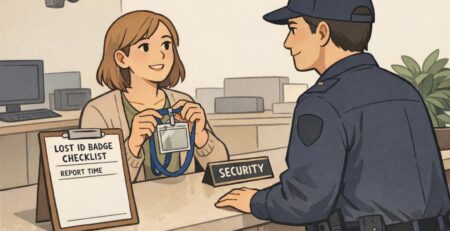
- Lost-ID steps: A simple script students can follow—tell the teacher, go to the office, get a temporary pass, request replacement.
This is also a good time to name the skill directly: student responsibility grows when students practice planning ahead, fixing mistakes, and following a routine that benefits everyone. Remembering an ID becomes a small, daily way to build that muscle.
Many do, but the most effective approach is consistent expectations paired with an easy routine and a calm replacement process. The goal is a dependable habit, not constant confrontation.
Teach a simple norm: turn it in to the teacher or front office right away, rather than handing it around or keeping it in a backpack.
Age-appropriate ID routines (6–8): building independence without power struggles
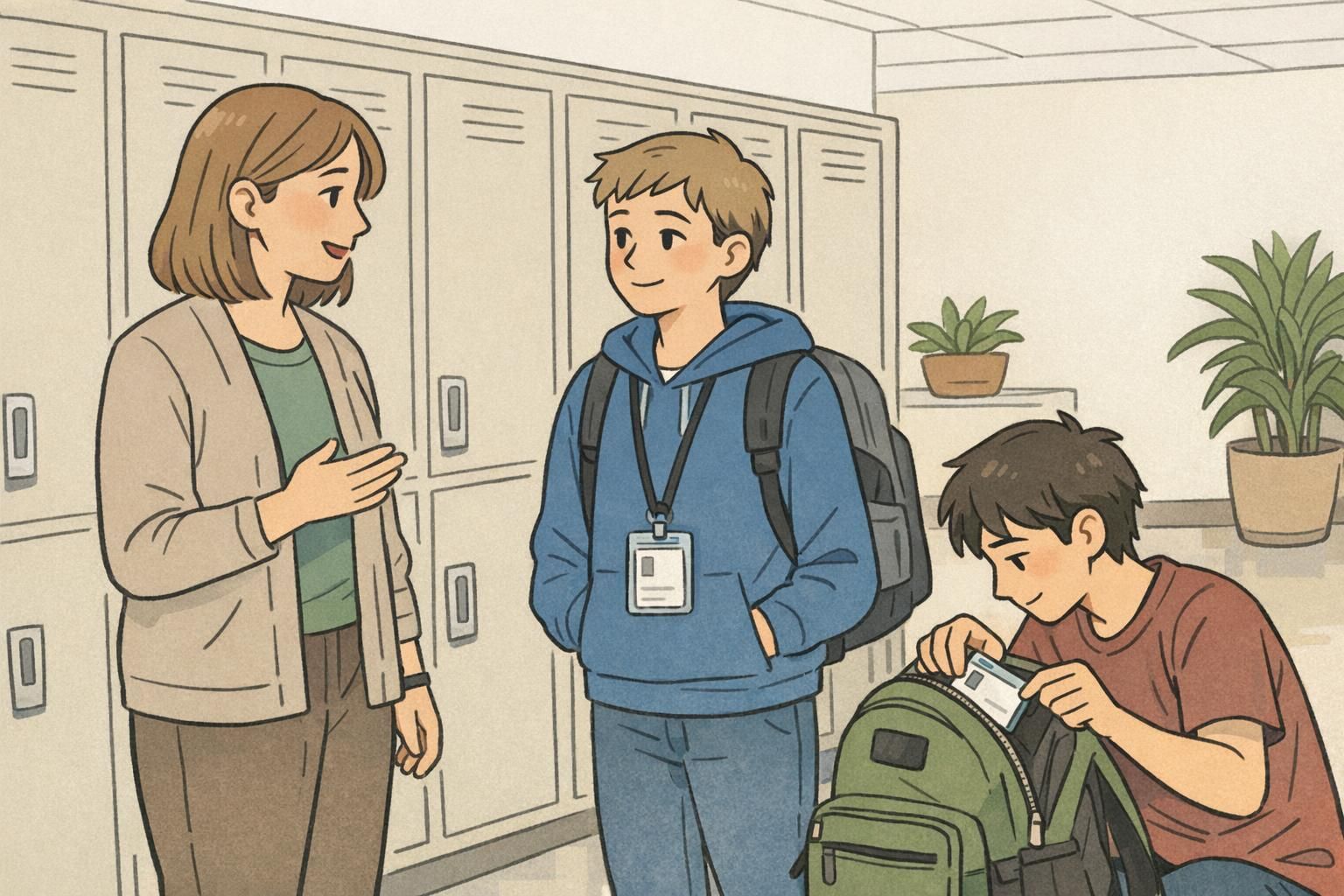
Middle school is where routines can either become a steady norm or a daily power struggle. Students in grades 6–8 typically respond best to clear, consistent expectations paired with autonomy-supportive language: “This is how we keep everyone accounted for,” rather than “Because I said so.”
- Homeroom scan/check: A quick visual check or simple process during the first minutes of the day.
- Temporary passes that don’t feel dramatic: A standardized pass students can get quickly when they forget an ID.
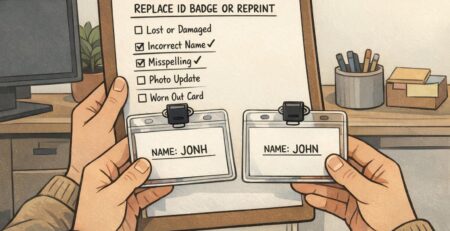
- Clear replacement steps: Who to see, what it costs (if anything), and what the timeline is.
- Predictable consequences: Consistency reduces arguments and helps students understand the routine is real.
- Student feedback loop: Student council or advisory groups can suggest improvements to reduce bottlenecks and confusion.
If a student forgets repeatedly, it can help to treat it as an organization problem to solve, not a character flaw. A supportive check-in (“What’s your plan tomorrow?”) keeps the focus on skills and keeps student responsibility at the center.
Age-appropriate ID routines (9–12): preparing for real-world access and privileges
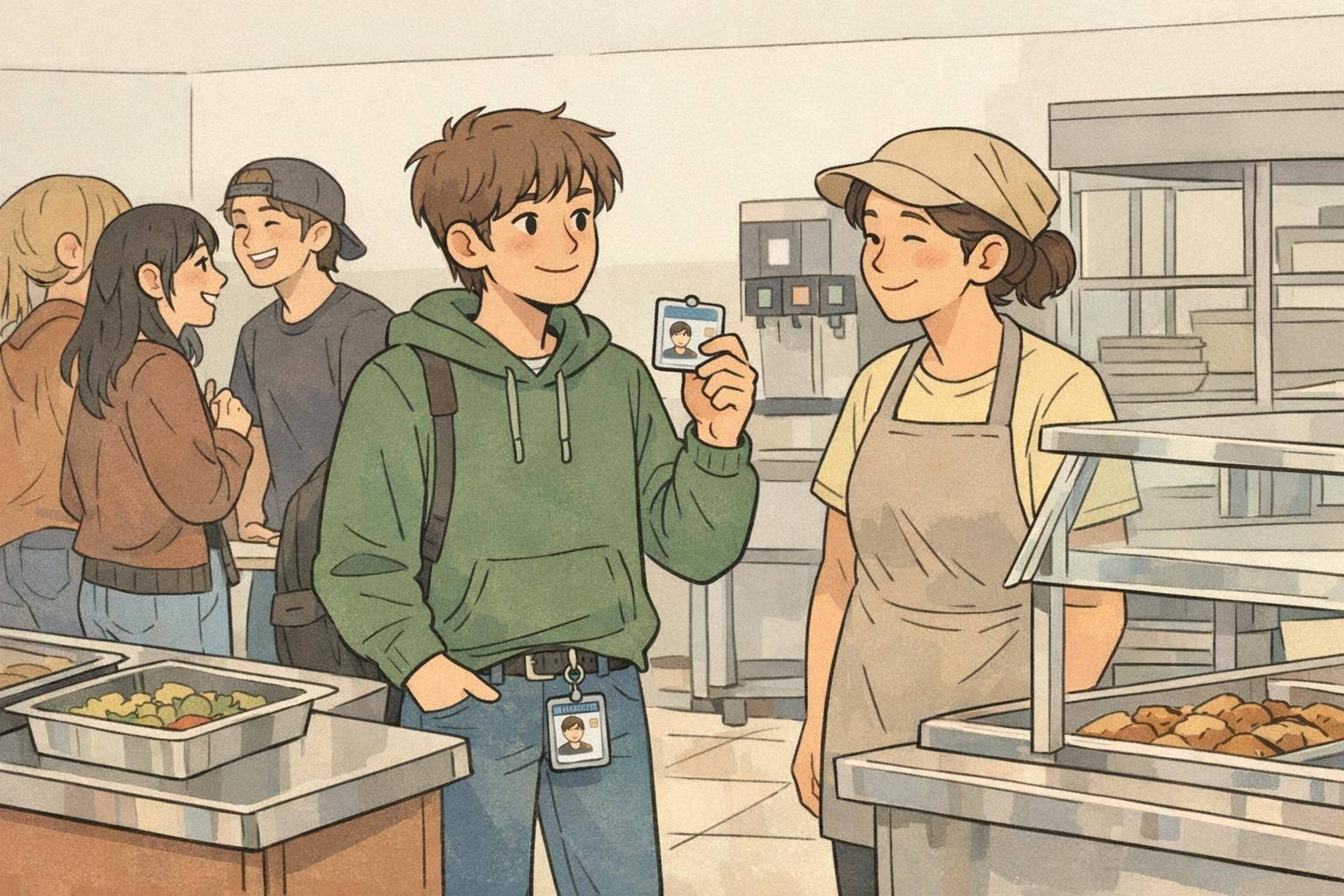
In high school, IDs often connect naturally to access and privileges—an approach that can reduce nagging because the routine “pays off” in visible ways. Depending on the campus, a student ID may be used for library checkout, lunch lines, attendance kiosks, testing, campus entry, or event admission.
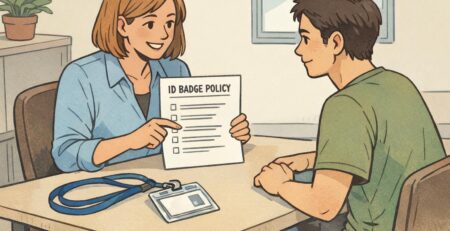
To keep things efficient, it helps to standardize how IDs are carried and presented. Schools commonly choose a lanyard, a clip, or a holder paired with a retractable attachment—then teach the expected placement (for example, worn on the body during the day or presented on request). It’s also worth considering dress-code compatibility and comfort so the chosen method fits students’ daily reality.
- Keep presentation consistent: Staff should know where to look or what to ask for.
- Use privacy-aware printing choices: Include what staff need for verification, and avoid extra personal details that don’t serve a purpose.
- Build in a smooth “forgot it” option: A quick process prevents delays in lines and reduces conflict.
- Let privileges encourage the habit: Access points naturally reinforce remembering the ID.
Design and durability choices that make ID programs easier to follow
Even the best routine can break down if the ID itself is hard to read, easy to damage, or awkward to wear. Practical design and durability choices reduce friction for students and staff—meaning fewer daily reminders, fewer disputes, and less time spent solving avoidable problems.
- Clear, recent photos: Helps staff verify identity quickly, especially with substitutes and event staff.
- Readable names: Prioritize legibility at a normal conversational distance.
- Role/grade indicators: Simple markers can reduce confusion in shared spaces.
- Sturdy card material and protective holders: Helps IDs survive backpacks, sports, and weather.
- Wear methods that match the setting: Lanyards for easy visibility, clips for students who prefer not to wear a lanyard, and holders that keep cards from bending.
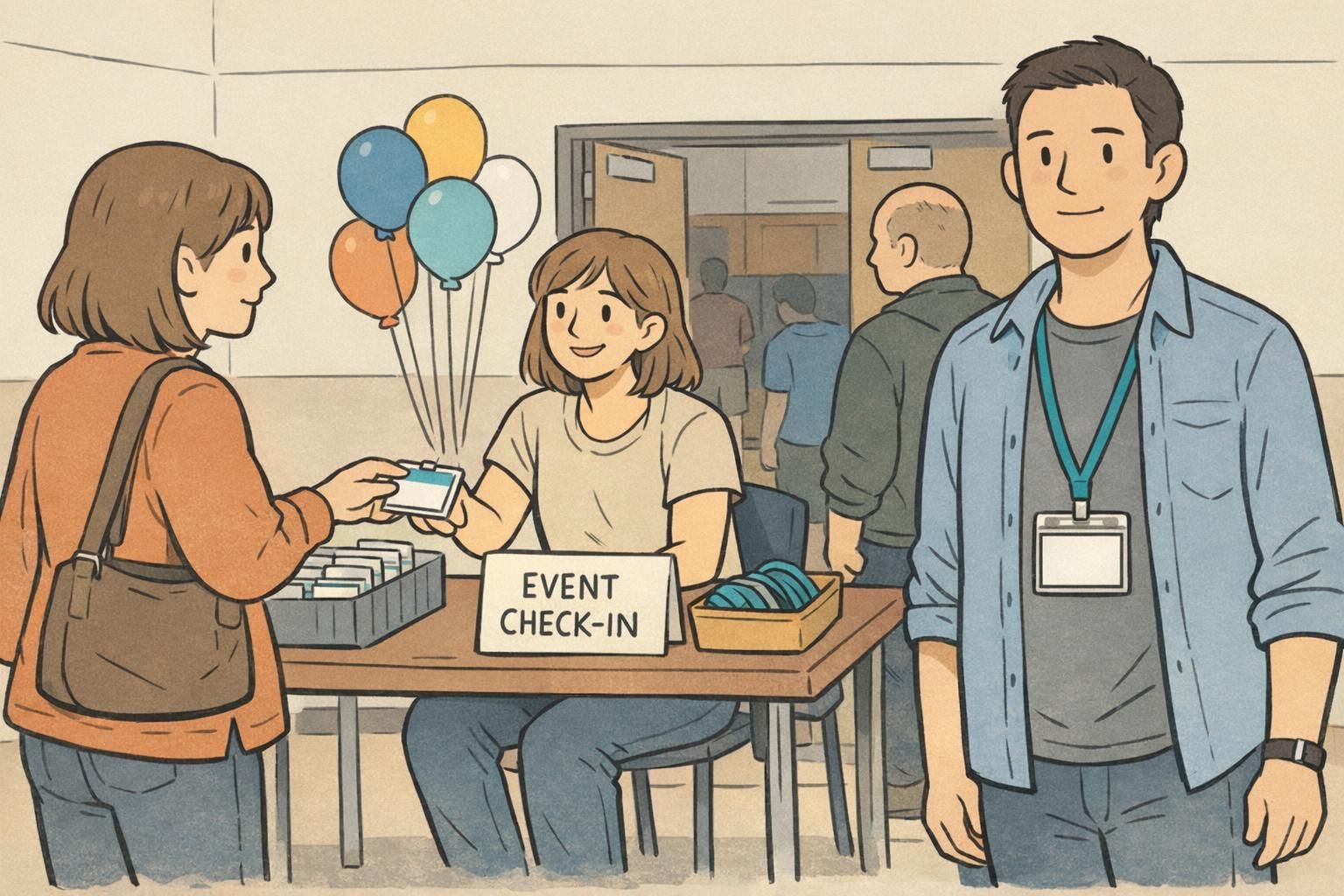
For event-heavy calendars—games, dances, performances—some schools add optional, temporary visual cues (like color-coded inserts) to make roles or access levels easier to recognize. These add-ons are most helpful when they solve a real bottleneck, not when they complicate everyday routines.
Products that support a consistent, positive ID routine (without overcomplicating it)
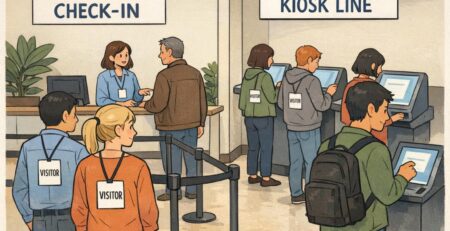
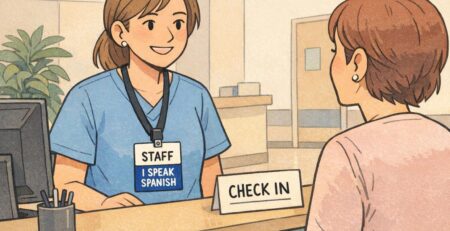
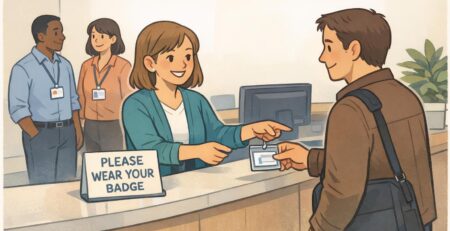
A consistent ID routine is easier to maintain when the visuals are clear and the materials match how the campus actually operates. Many schools keep it simple: student ID cards for daily use, staff badges so students and visitors can quickly identify adults, visitor badges that support check-in, and event badges for games, dances, or performances where quick recognition matters.
Consistency is the quiet advantage. When IDs share a similar layout and wear method, new staff, substitutes, and volunteers can understand expectations faster—reducing the number of times students are stopped or questioned unnecessarily. If you’re building or refreshing an ID program, custom student ID cards can be designed with clear photos and readable names so routines stay simple and staff can verify quickly.
A positive routine usually comes from a small, repeatable system: clear student IDs, clear staff identification, a visitor check-in badge, and an event option for high-traffic nights.