Why water and sweat resistance matter for badges
A water resistant ID card needs to handle more than an occasional splash. During a normal shift, it may collect perspiration, rub against clothing, and go through repeated wet–dry cycles. Those everyday exposures can gradually affect the printed surface, protective layers, edges, and attachment points. Keeping identification readable means choosing a construction that suits how the badge will actually be worn.
Moisture can reach vulnerable layers through unsealed edges, attachment holes, or openings in a holder. A clear sleeve may shield the face from splashes without keeping water away from the card inside. Likewise, a water-resistant card face does not establish that its adhesive, clip, or printed graphics will perform equally well.
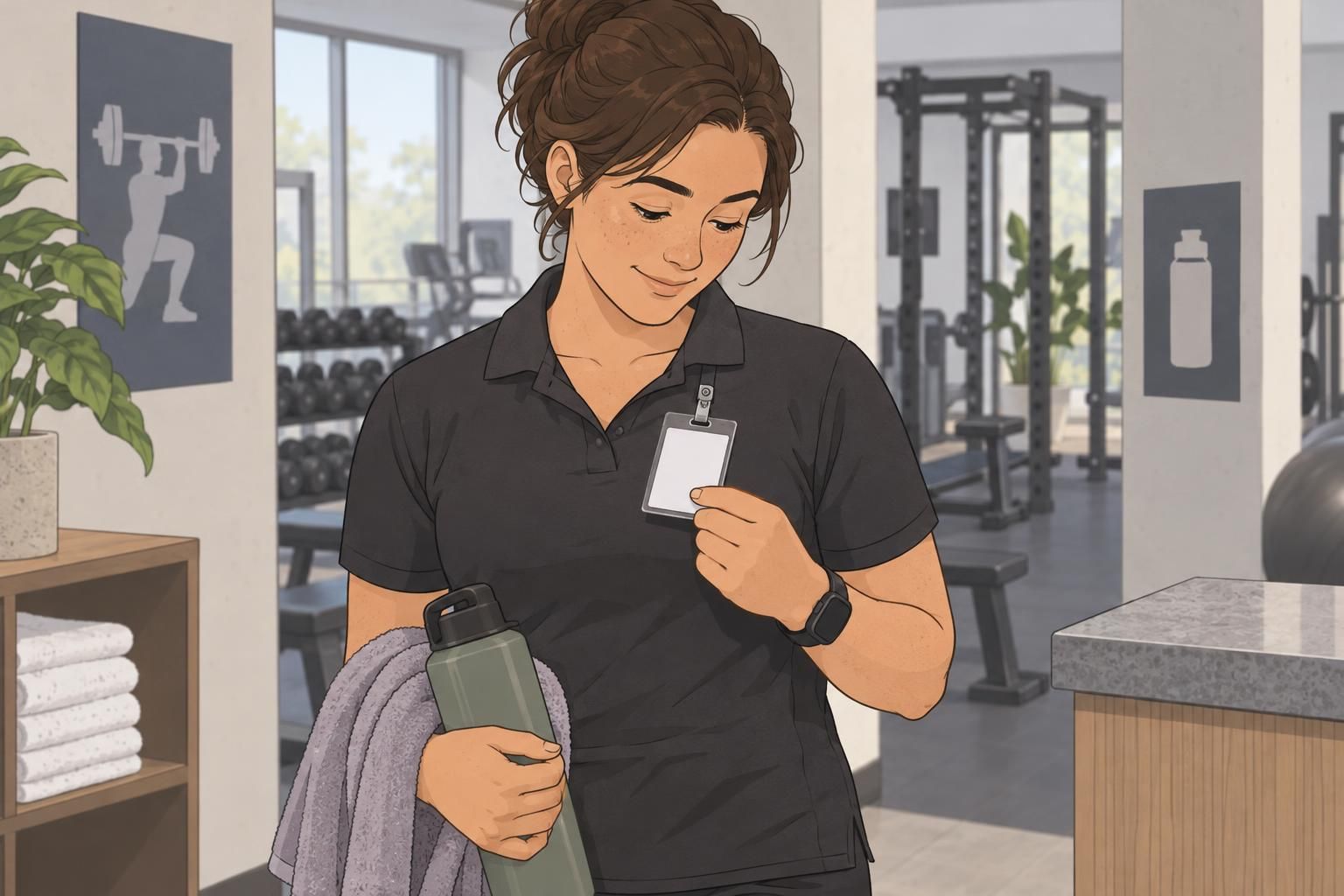
Evaluate the complete badge assembly: substrate, graphics, finish, edge treatment, holder, and hardware. A gym badge exposed to daily perspiration has different needs from an event badge worn briefly indoors. Start with that exposure pattern rather than assuming one material or protective layer solves every problem.
Common badge failures: ink rub, peeling laminate, and warping
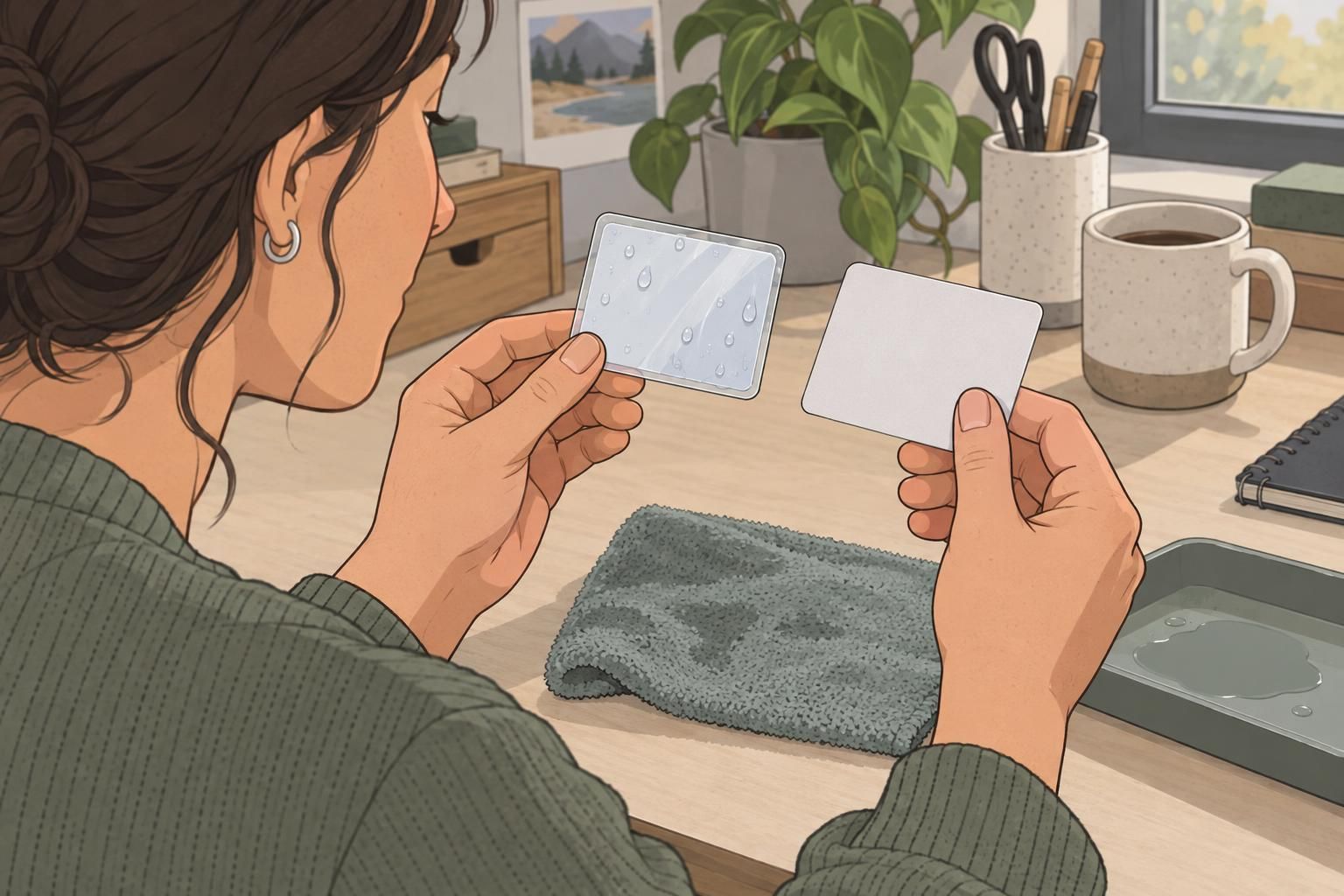
Three common failures explain why surface protection and construction matter as much as the base material. Each starts differently, so each calls for a different protective approach.
- Ink rub: Repeated contact with clothing, equipment, or the inside of a holder can wear exposed graphics. Printing beneath a compatible clear protective layer helps separate the image from everyday friction. The protective surface still needs suitable abrasion resistance.
- Peeling laminate: Moisture reaching an adhesive layer can weaken the bond and lift the laminate, particularly around vulnerable edges or openings. Compatible adhesives, well-bonded layers, and sealed edges help reduce this risk.
- Warping: Water uptake or heat can distort some substrates or layered constructions. Selecting a substrate suited to the expected moisture and temperature exposure—and checking the finished card under those conditions—helps address distortion.
Consider a badge that repeatedly brushes a work apron or equipment strap. Even without heavy water exposure, friction can dull the face. Add perspiration and repeated drying, and weak edges may begin lifting. A replacement should address both abrasion and moisture entry, rather than simply adding another layer over an unsuitable construction.
Material and finish choices for a water resistant ID card
Material names provide a starting point, not a complete performance specification. Rigid metals and plastics offer different construction options, while coated polyester fabric provides flexibility. In every case, the graphics and finishing system need to work with the chosen substrate.
- Anodized aluminum: A rigid metal option to evaluate where a firm badge face is useful. Check the graphic protection, cut edges, and attachment hardware rather than treating the anodized face as proof of whole-badge durability.
- Stainless steel: Another rigid option where corrosion resistance matters. The complete design still needs suitable graphics, finishes, and hardware; exposed components should be evaluated for the intended sweat and cleaning exposure.
- Polycarbonate: A rigid plastic option that can support protected, layered graphics. Its suitability depends on the finished construction, including resistance to abrasion, temperature exposure, and the cleaners used.
- UV-stable polyester: An option where light exposure is part of the working environment. UV stability addresses one part of durability; edge sealing, adhesive compatibility, and moisture performance still need separate attention.
- Coated polyester fabric: A flexible alternative when a badge needs to bend with clothing. Evaluate the coating, printed surface, edges, and attachment points through both moisture exposure and repeated flexing.
For a water resistant ID card, UV-resistant graphics beneath a clear protective layer can help preserve readability while limiting direct abrasion. Sealed edges and compatible adhesives help protect the layered construction. Corrosion-resistant hardware completes the approach, especially when the badge regularly becomes damp.
Match protection to the likely failure: a clear surface layer helps protect graphics, sound bonding and sealed edges help resist peeling, and an exposure-appropriate substrate helps limit warping.

What makes a sweat resistant badge more dependable?
Sweat introduces a challenge beyond plain water. It contains salts that can remain as deposits after drying and contribute to corrosion, particularly around exposed metal hardware or contacts. Repeated exposure can therefore reveal weaknesses that a brief splash check would miss.
A dependable sweat resistant badge combines protected graphics with suitable pins, clips, and other components. Minimize unnecessary exposed metal, and ask whether the hardware has been evaluated for the expected conditions. A corrosion-resistant badge face cannot compensate for an attachment that deteriorates when repeatedly damp.
Testing should include the entire assembly through sweat exposure, the intended cleaning process, and repeated wet–dry cycles. Inspect for deposits, corrosion, graphic wear, edge lifting, and distortion. For a badge with electronic contacts, include those exposed areas in the assessment rather than focusing only on the enclosure or printed face.
Choosing durable PVC and other badge materials for the setting
Durable PVC and other suitable plastics are options to evaluate, but the material name alone does not establish service life. Look at how the card is printed, protected, bonded, cut, and attached. Two cards made from the same general material can perform differently because their finishes and construction differ.
For a gym badge, prioritize frequent perspiration, rubbing against clothing, and repeated cleaning and drying. Protected graphics, secure edges, and suitable clips deserve close attention. If a holder is used, assess whether moisture can enter and remain around the card.
For healthcare badges, routine cleaning may be as important as moisture resistance. Ask whether the complete badge tolerates the actual cleaning agents and process used in the workplace. A finish that handles water well should not automatically be assumed compatible with those cleaners.
BadgeZoo’s identification products—including ID cards, name tags, badge buddies, and event badges—can be selected with different roles and environments in mind. Define the expected exposure first, then confirm the relevant construction and care requirements rather than assuming every product format offers the same protection.

Specifications and tests to ask about
Useful specifications describe what was tested, how it was exposed, and what counted as passing. Ask for results that reflect the finished badge, not just a material sample. For enclosed electronic badges, the tested assembly and defined exposure conditions are central to interpreting a water-resistance claim; this wearable-testing guide provides related context: source.
- Water resistance: What exposure conditions, duration, and assembled configuration were tested? Were graphics, edges, and attachment openings included?
- Sweat and corrosion: Was artificial-perspiration or corrosion testing performed on exposed hardware and contacts?
- Abrasion and flexing: Were printed surfaces checked for rubbing, and were flexible or layered constructions checked for cracking or separation?
- UV and temperature aging: Were appearance, bonding, and shape assessed after relevant light and temperature exposure?
- Cleaner compatibility: Were the intended cleaners and cleaning process tested, including repeated use?
An IP rating applies to the enclosed product in its tested assembled configuration. It does not automatically establish resistance to sweat, cleaning chemicals, wear, flexing, or aging. Changes to openings, seals, or assembly details also mean the rated configuration needs careful comparison with the product being selected.
Care practices that help badges last
Good care helps preserve the protection built into a water resistant ID card. Follow the manufacturer’s instructions for the card, holder, and hardware, particularly when different materials are combined. Water resistance is not permission to use any cleaner or washing method.
- Remove sweat deposits promptly by wiping, or by rinsing only when the manufacturer permits it.
- Dry the badge and holder before storage so moisture does not remain trapped against edges or hardware.
- Use only cleaning agents and methods compatible with the badge’s coatings, adhesives, graphics, and finish.
- Check periodically for worn graphics, lifting laminate, distortion, and corrosion, then address damaged components.
Repeated washing and cleaning agents can affect some protective layers and bonds. Keep care instructions matched to the materials and workplace routine. The most dependable choice combines suitable construction, relevant test results, and consistent care—helping identification stay readable through everyday water, sweat, and friction.