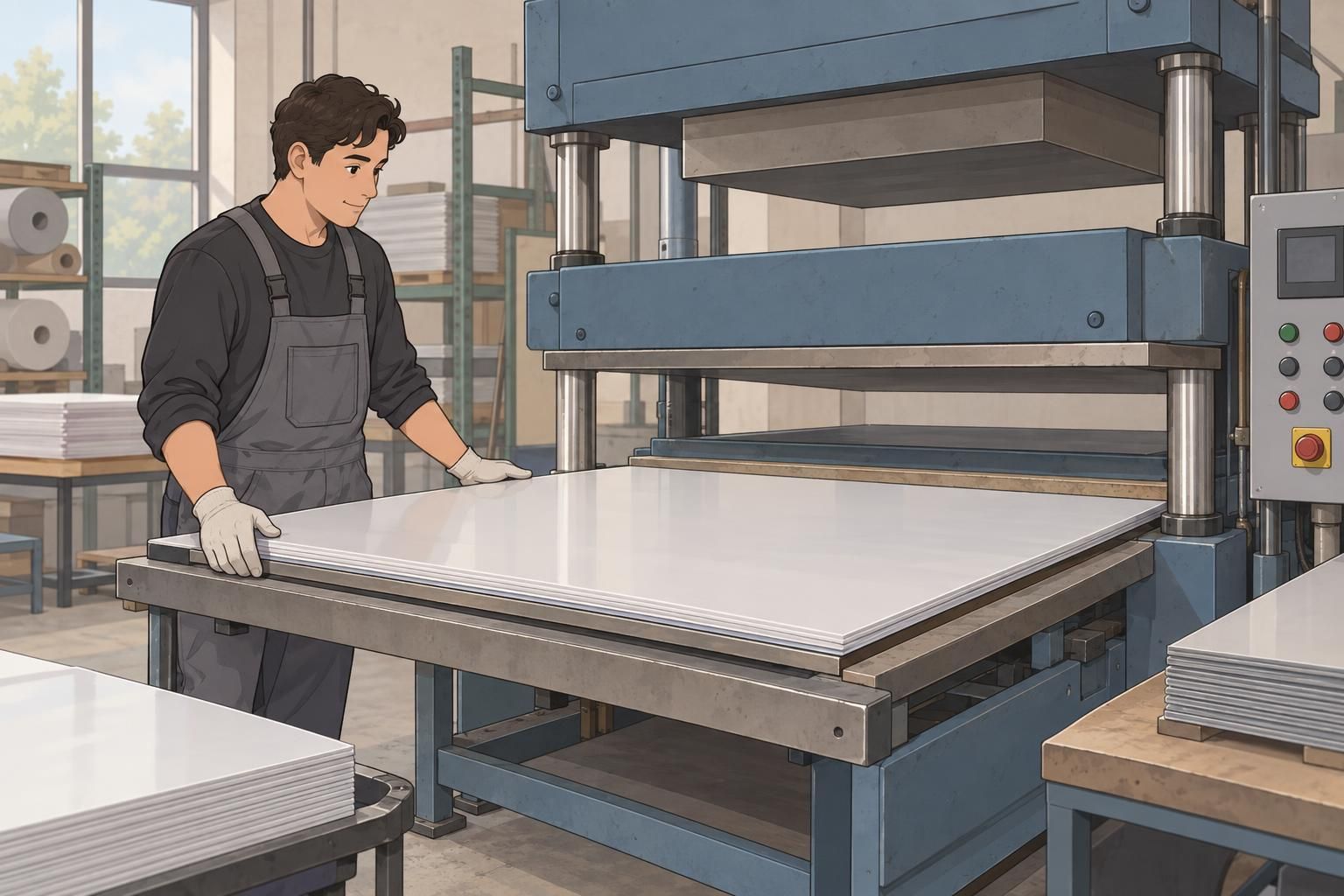
What a matte finish ID card changes in everyday use
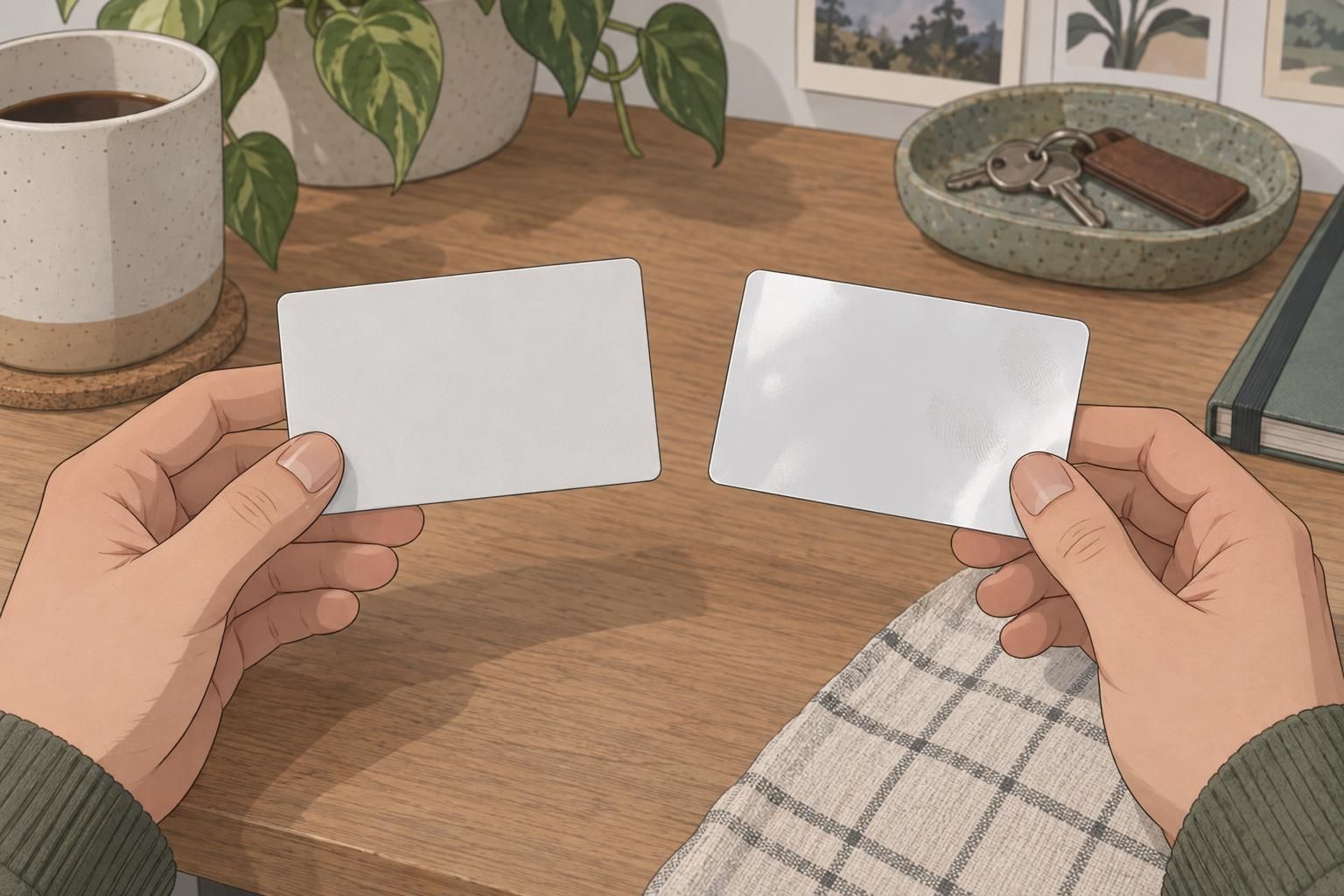
A matte finish ID card changes how light and handling marks appear on the card’s surface. Its low-reflectivity finish can make identification easier to inspect without the bright reflections associated with gloss. For cards handled throughout a shift or school day, an anti-smudge badge finish can also make fingerprints and skin oils less noticeable.
Those benefits concern appearance and readability, not automatic protection against damage. Scratch resistance depends on the card’s construction and protective layers. Likewise, a surface described as fingerprint resistant may still collect oils; the marks simply may be less obvious. For professional badges, separating these characteristics helps teams choose a card that looks appropriate and holds up in its intended setting.
Think of finish as one part of the specification. A matte card may look cleaner between routine cleanings and show less distracting shine, but its substrate, printing, laminate, and handling conditions still determine how well it wears.
How matte surfaces improve readability under bright lights
Bright indoor lighting or direct light can create a reflection across a glossy card. When that reflection crosses a name, photograph, or barcode, the person inspecting the card may need to tilt it. A matte surface reduces those reflections, which can make the information easier to view from a useful angle.
This is particularly helpful when identification is checked repeatedly, such as in a healthcare corridor or classroom. A matte finish ID card can support quick visual checks without a strong patch of reflected light competing with the printed information. For barcode scanning, however, reduced glare is only one consideration: the finished card still needs testing with the actual scanner.
The visual trade-off is that matte may slightly soften color intensity, while gloss can make colors appear more vivid. A practical comparison of matte and glossy finishes discusses reduced glare and less-visible fingerprints as matte advantages (source). Results vary with the material and coating, so compare finished samples under the lighting where identification will actually be checked.

Fingerprint visibility and the anti-smudge badge advantage
Frequent handling leaves skin oils on identification cards, especially when people grip the same edges or touch the photo area. On dark designs, those marks can be particularly noticeable. An anti-smudge badge finish can reduce their visual prominence, helping the card maintain a more consistent appearance throughout the day.
The important distinction is between hiding marks and preventing them. Matte does not stop every fingerprint from forming, and a cleaner-looking card is not necessarily free of residue. Routine cleaning remains relevant, especially where workplace procedures specify how identification should be maintained.
- Compare dark and light areas of a sample after normal handling.
- View fingerprints under both overhead lighting and angled light.
- Check whether repeated wiping changes the appearance of the finish.
- Follow the manufacturer’s cleaning guidance rather than assuming every cleaner is suitable.
Matte finishes and scratch resistance: what to know
A matte appearance is not proof of scratch resistance. Coating chemistry, laminate, substrate, and storage conditions all influence wear. A standard matte coating may scuff, while a documented anti-scratch laminate can provide stronger protection. Two cards that look equally matte can therefore perform differently after repeated handling.
Matte may also make some fine surface marks less visually prominent because there is less shine to interrupt. That can help disguise minor wear, but hiding a micro-scratch is different from resisting one. Do not treat a less-visible mark as evidence that the surface was not damaged.
Consider the card’s everyday surroundings. Keys and coins can rub against an ID stored in a pocket or bag. Moisture and cleaning products may affect the finish or protective layers, depending on their compatibility. Evaluate those exposures together rather than choosing a finish based on appearance alone.
Specify matte for its visual characteristics. Specify verified scratch resistance separately when abrasion protection matters.
Choosing finishes for healthcare, manufacturing, and education
The most useful finish is the one that fits how people wear, handle, inspect, and clean their cards. Healthcare, manufacturing, and education all involve frequent identification checks, but their day-to-day priorities can differ.
- Healthcare: Low glare can help staff inspect a name or photo under bright corridor lighting. Confirm that the protective layers tolerate the cleaning products required by the organization.
- Manufacturing: Employees may handle identification repeatedly during active workdays. Consider visible fingerprints alongside rubbing, storage conditions, and protection from contact with other objects.
- Education: Student IDs may be handled and inspected throughout the school day. A low-glare surface can make visual checks more comfortable, while durable construction helps address everyday wear.
In each setting, fingerprint resistant surfaces can support a cleaner-looking card without eliminating maintenance. Organizations can choose matte, satin, or gloss according to their lighting, appearance preferences, and protective requirements. There is no need to treat one finish as the universal choice for an entire industry.

How substrate and protective layers affect card durability
Finish is the visible surface choice, but durability involves the whole card. Card thickness, PVC composite or polycarbonate construction, print method, edge quality, and protective overlays all contribute to how a card handles everyday wear. A matte surface cannot compensate for every weakness elsewhere in that construction.
When comparing options, ask which layer provides the matte appearance and which provides abrasion protection. They may be part of the same system, but the appearance alone does not establish performance. Also check whether the protection covers the printed information that must remain readable.
Manufacturer test data or an abrasion-resistance rating can help distinguish a visual finish from verified protection. Review what was tested and under which conditions. A result is most useful when it relates to the complete card construction being considered, rather than a different coating or substrate.
A practical specification for professional badges
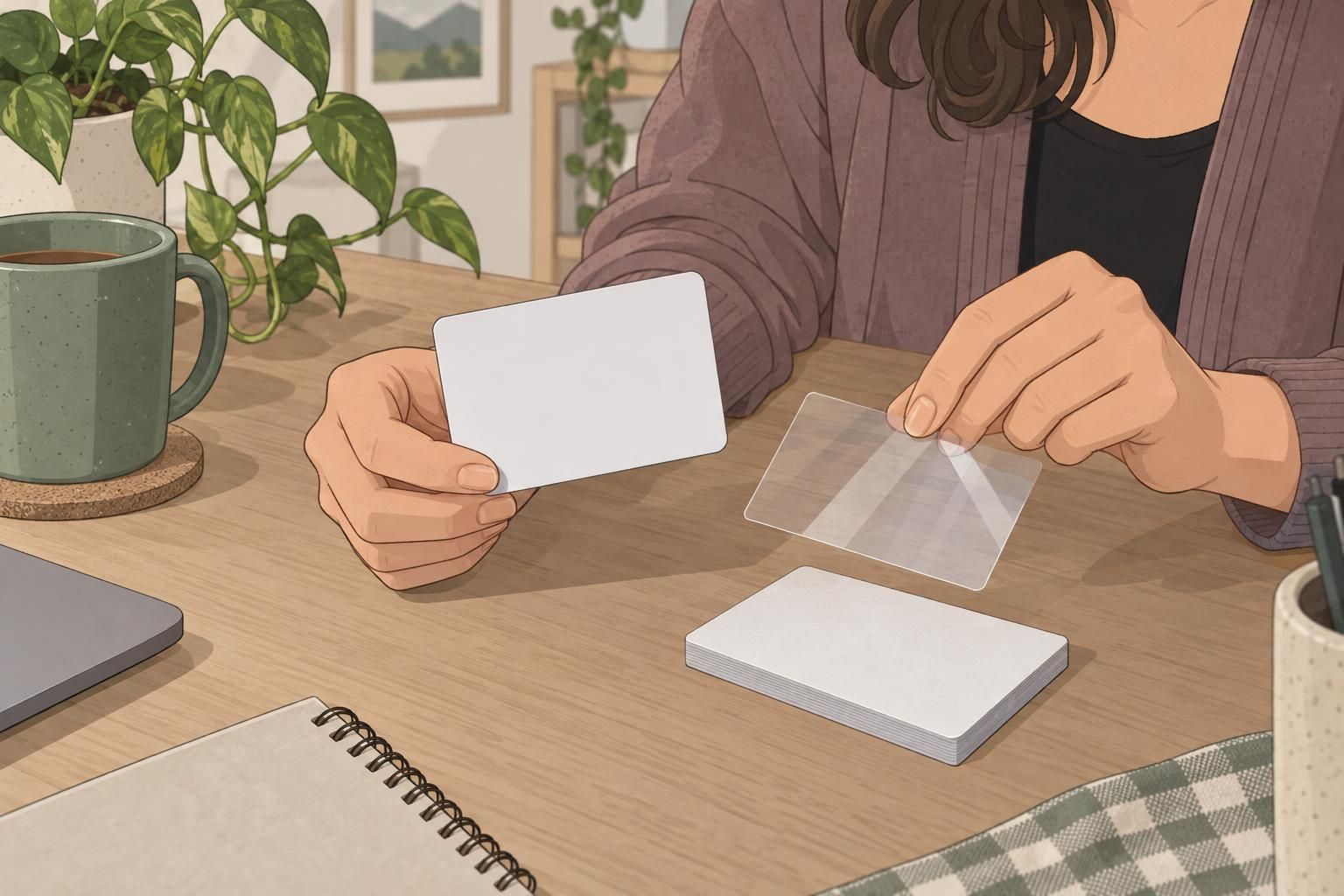
For everyday professional badges, a useful starting specification is a low-glare matte or satin surface, a durable substrate, and a documented anti-scratch laminate. Confirm that the complete construction remains compatible with the required card readers, barcode scanners, and visual photo identification checks.
Before choosing, compare samples under realistic conditions. Keep the evaluation consistent so that one card is not judged after light handling while another is judged after a full day of use. Include the actual holder and storage method when those are part of normal use.
- Rub and handle samples consistently, then inspect for scuffing and visible fingerprints.
- Check names, photographs, and barcodes under the workplace’s usual lighting.
- Assess moisture exposure and approved cleaning chemicals using manufacturer guidance.
- Review available UV-exposure and abrasion test information.
- Confirm reader and scanner performance with the finished sample, not just an uncoated card.
Record appearance and protection as separate requirements. This makes it easier to compare options fairly and avoids using “matte” as shorthand for every durability feature the organization needs.
When to choose matte, satin, or gloss
Choose a matte finish ID card when reduced reflections and less-visible fingerprints are priorities. Satin offers a middle ground when a softer sheen is preferred. Gloss may suit designs where stronger color intensity matters, although fingerprints and reflected light can be more noticeable.
Some glossy protective systems may offer a stronger moisture or abrasion barrier than some matte alternatives. That advantage comes from their protective construction, not glossiness by itself. A documented matte laminate may outperform a basic glossy coating, so compare specifications rather than finish names.
The best finish balances lighting, handling, appearance, and protective construction. Use matte to manage glare and visible marks, then verify durability through the substrate, laminate, and relevant test data.