Why ID Card Delamination Often Starts at the Edges
ID card delamination happens when layers that should remain bonded begin to separate. A small lifted corner or thin opening along the perimeter may be the first visible sign. Understanding why that separation happens helps buyers evaluate card construction and helps employees protect the identification they use every day.
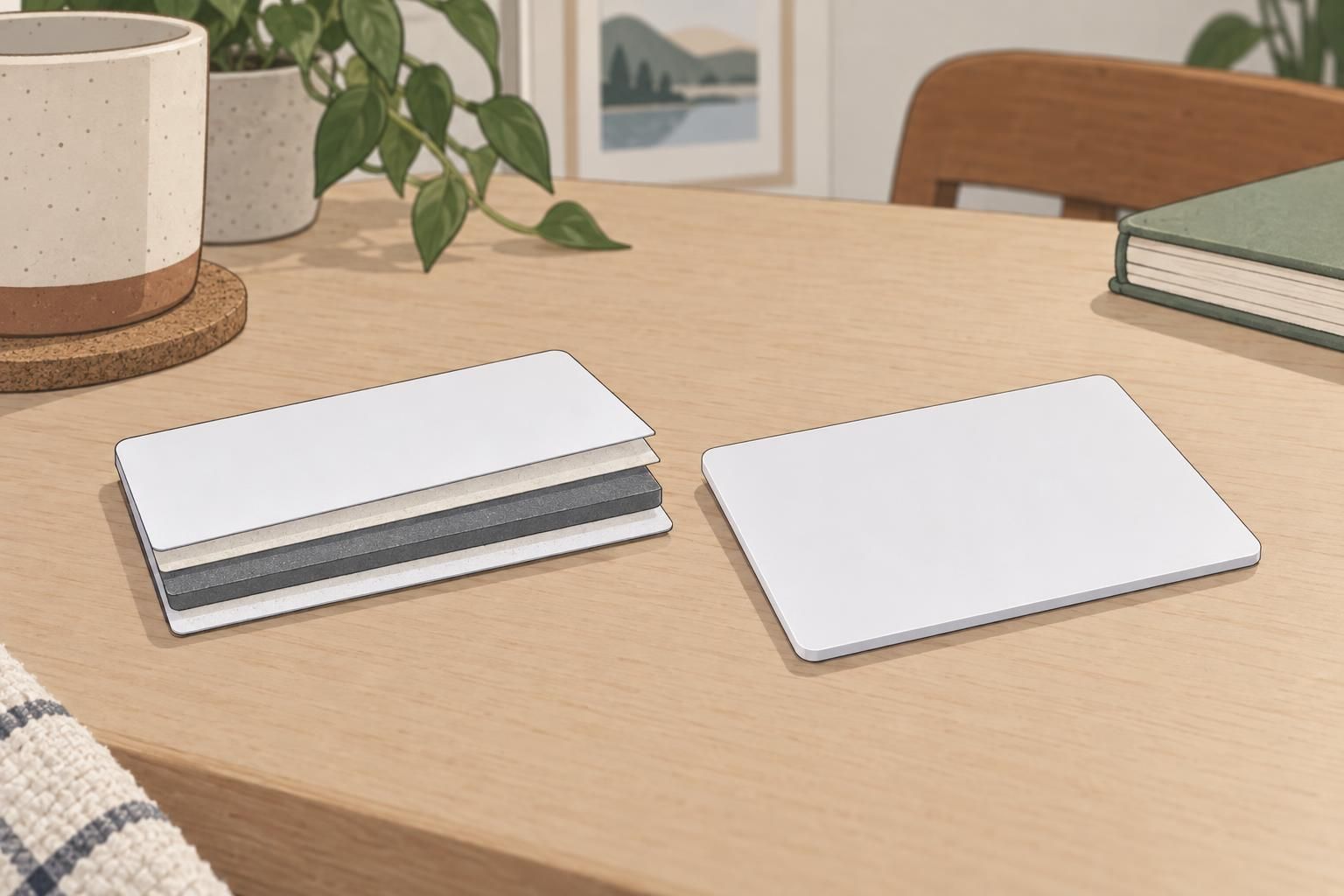
A layered ID card may include a structural core, a printed layer, and a protective overlay. These parts need a strong, consistent bond to work together as one card. If the bond is weak or uneven, everyday handling can expose the problem. Low-quality laminated builds may look smooth when new but develop peeling edges once repeated use puts stress on poorly bonded areas.
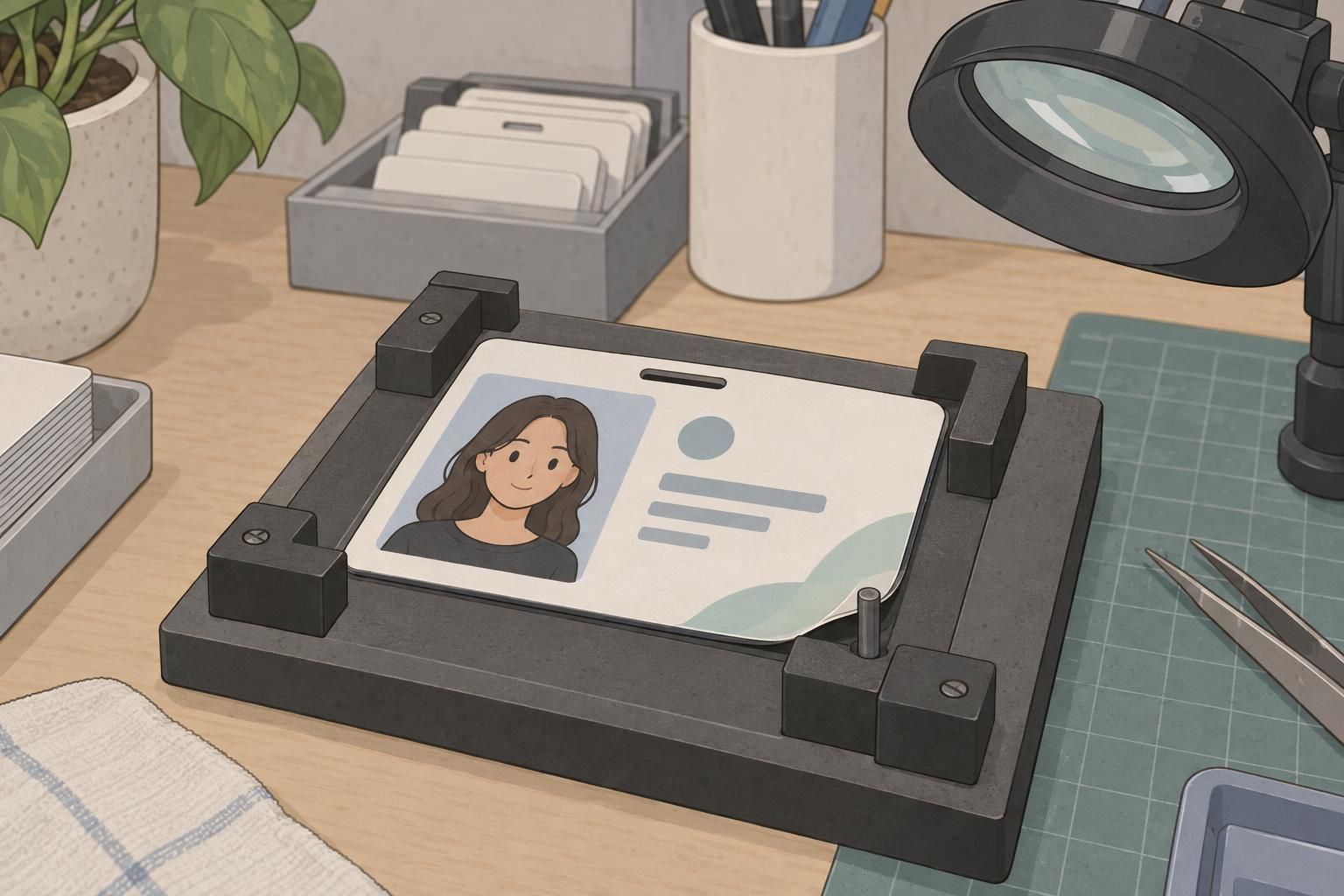
Edges are particularly vulnerable because they are where the layers end and meet the outside environment. Moisture can reach an exposed interface, while rubbing against a pocket or holder can catch an already lifted edge. Bending stresses the bond, and damage from cutting or finishing can leave a starting point for separation.
A peeling edge is a symptom, not a complete diagnosis. The cause may involve manufacturing, daily use, or both, so appearance alone cannot establish why a card failed.
Common Causes of Peeling Edges
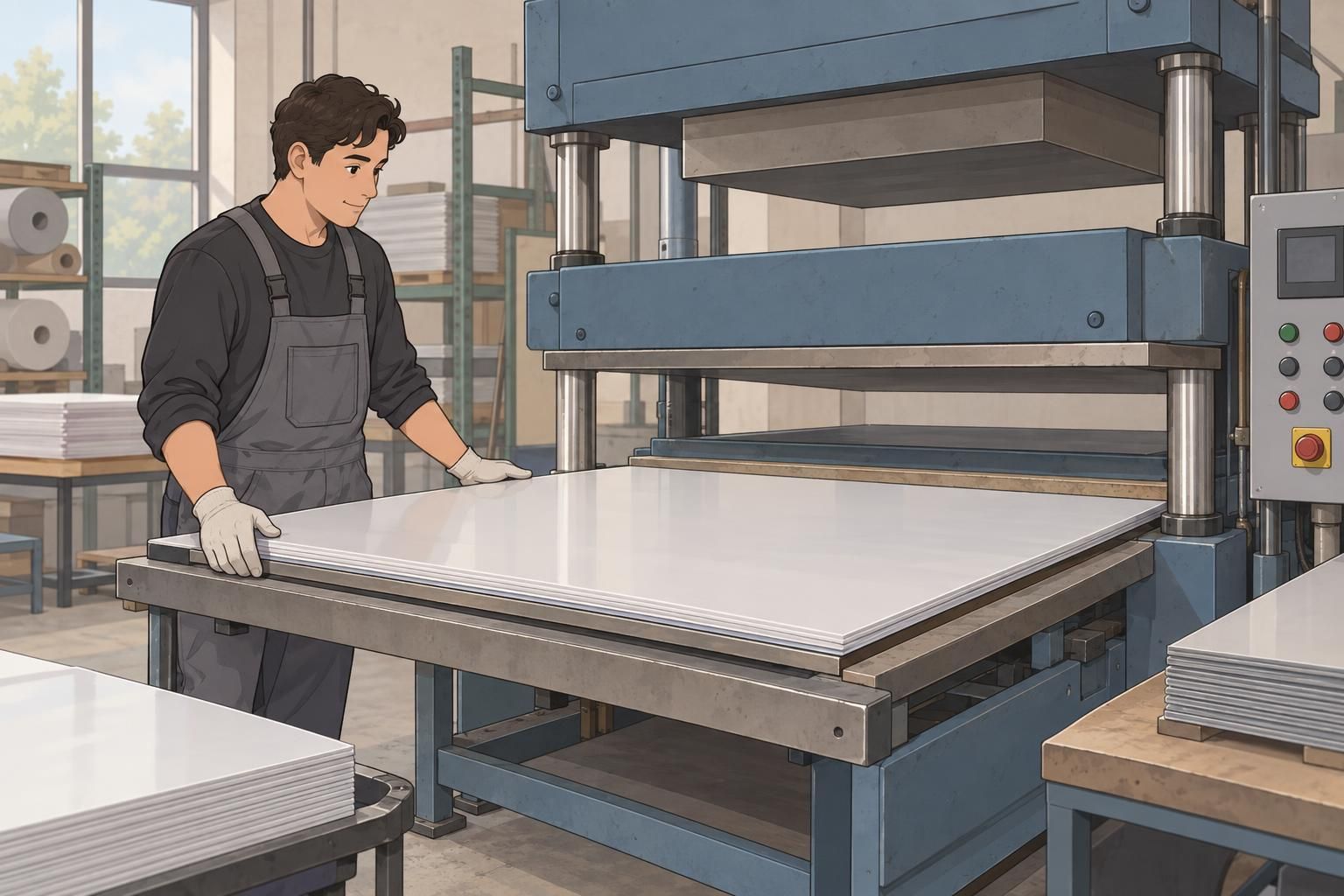
Some causes of peeling edges begin before a card reaches its user. Lamination requires a process suited to the materials and construction. Insufficient pressure, an unsuitable temperature, or too little dwell time—the time spent under bonding conditions—can leave layers inadequately joined. A finished surface may still look acceptable even when the underlying bond is inconsistent.
- Incompatible materials: A core, printed layer, overlay, or bonding material that does not work well with the others can undermine adhesion.
- Contamination: Material trapped between surfaces can interfere with contact and leave weak spots.
- Poorly bonded inlays: An inlay incorporated into the card must be properly integrated with the surrounding construction.
- Rough finishing: Cutting damage or an uneven perimeter can create places where a layer begins to lift.
Daily conditions add another set of stresses. Repeated flexing can work an imperfect bond loose, while abrasion can wear at exposed edges. Moisture, cleaning chemicals, and temperature changes can also challenge the bond, depending on the materials involved. These factors may act together rather than produce separate, easily identified failures.
For example, a rough corner may catch during handling, lift slightly, and then become more exposed to damp conditions. This is why replacing one material or changing one production setting is not automatically a complete solution. Reliable prevention considers the entire build, its finishing, and how the card will be used.

How Edge Sealing and Fusing Can Help
The foundation of a durable layered card is a well-controlled bonding process. Compatible materials need appropriate pressure, temperature, and dwell time so the bond is consistent across the card. A carefully finished perimeter complements that process by reducing rough spots that can catch or lift during handling.
Depending on the construction, edge sealing or fusing can help close vulnerable interfaces around the perimeter. The goal is to reduce opportunities for moisture entry and mechanical lifting. Instead of leaving an accessible gap between layers, the process aims to create a more continuous, well-bonded boundary.
That does not mean every card needs the same treatment or that a sealed edge guarantees lasting performance. Results depend on the materials, how the card is assembled, and the conditions it will face. A perimeter treatment cannot be assumed to compensate for incompatible layers or a weak bond elsewhere in the card.
Ask what “sealed” or “fused” means for the specific card being offered. The useful answer explains the construction, the process, and the testing behind the claim—not just the name of the treatment.
For buyers addressing recurring ID card delamination, the practical question is whether the proposed construction addresses the observed failure. If corners repeatedly lift, ask how perimeter finishing and edge adhesion are evaluated alongside the overall bond.
Laminated Cards vs PVC: What Buyers Should Know
The comparison of laminated cards vs PVC can sound like a choice between two completely different constructions. In practice, the terms describe different things: “laminated” refers to a layered construction or bonding approach, while PVC identifies a material. A PVC card may itself contain bonded layers, so the labels do not establish a simple durability ranking.
A layered laminated card can perform well when its materials are compatible, its bonding process is controlled, and its edges are carefully finished. A PVC card also needs suitable construction and manufacturing quality. Neither label alone tells you how well the finished card will resist peeling, bending, moisture, or repeated handling.
- Compare the actual build: Ask what materials and layers make up each proposed card.
- Compare finishing: Find out how the perimeter is cut, finished, and, where appropriate, sealed.
- Compare evidence: Look for testing that relates to the conditions in which your cards will be used.
- Compare equivalent products: Confirm that any supporting results apply to the construction being quoted.
This approach keeps the decision focused on badge durability rather than a material name. A useful supplier explanation connects construction choices to likely workplace stresses and acknowledges the limits of the available evidence. Broad claims that one category is always more durable leave out the details that matter most.
What to Ask an ID Card Supplier About Durability
A claim that a card is “laminated” does not, by itself, establish durability. Ask the supplier to explain how the construction is controlled and what evidence supports its performance claims. The strongest discussion connects materials, production, finishing, and testing rather than treating them as unrelated topics.
- Material compatibility: How are the core, printed layer, overlay, and any inlays selected to work together?
- Process controls: How are lamination pressure, temperature, and dwell time controlled for this construction?
- Edge finishing: How are cut edges checked for roughness, damage, or incomplete bonding?
- Adhesion testing: Which methods assess peel strength, card-layer adhesion, and edge adhesion?
- Use conditions: What testing covers bending, temperature and humidity, chemical exposure, and repeated use?
- Supporting requirements: Which test methods, standard editions, and applicable card requirements support the durability claim?
For a practical reference when discussing card-layer and edge adhesion test methods, see this source on ISO/IEC 10373-1. Before adopting any specific value as a procurement specification, verify the applicable standard edition and the requirements for the card you are purchasing.
Also ask whether the evidence relates to the proposed materials and finished construction. A result from a different build may not answer your question. Clear, relevant answers help buyers distinguish a supported durability claim from a general description of how a card was made.

Everyday Care to Help Cards Last Longer
Good care reduces avoidable stress, even though it cannot correct a manufacturing defect. Store and carry the card in a suitable rigid holder or protective sleeve that fits without forcing the card to bend. Choose a setup that protects the perimeter rather than repeatedly rubbing or clamping vulnerable edges.
- Avoid unnecessary bending, twisting, or flexing during handling.
- Do not clamp the card by its edges in ways that stress or lift its layers.
- Keep it away from prolonged heat and damp storage conditions.
- Use only cleaning products approved by the issuing organization for that card.
- Notice lifted corners or separating edges before further handling makes the damage worse.
If layers begin to lift or important card features become exposed, contact the issuing organization about replacement. Rather than attempting a repair, follow its instructions for handling the damaged card and obtaining a replacement. This keeps decisions about the card’s continued suitability with the organization responsible for issuing it.

Preventing ID card delamination is a shared effort between sound manufacturing, informed purchasing, and sensible daily care. Compatible layers, controlled bonding, appropriate edge finishing, and relevant testing provide the foundation. Protecting the finished card from unnecessary stress helps that construction perform as intended.