Badge buddy material: how role identifier cards are made
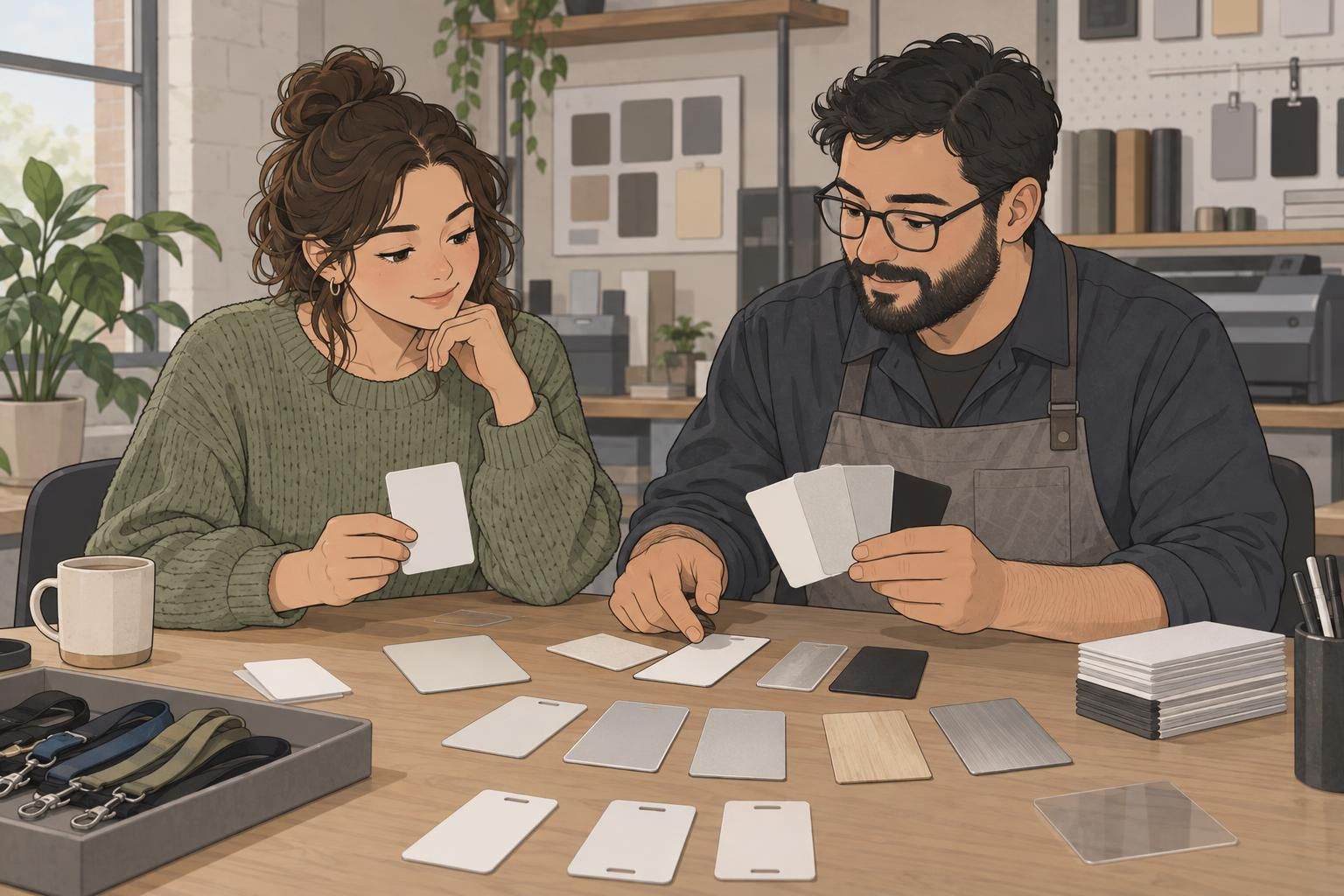
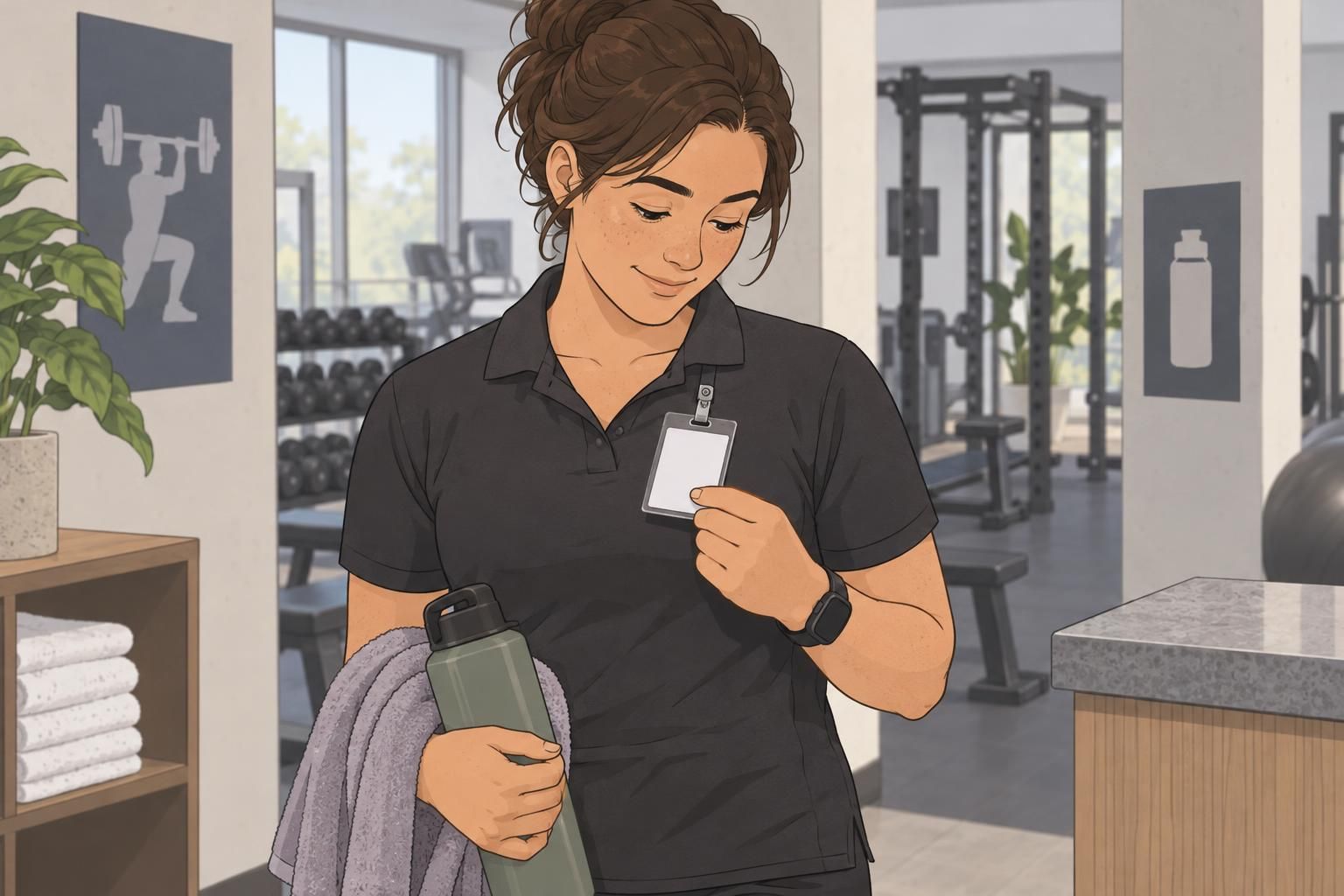
Choosing the right badge buddy material starts with how the card will be printed, worn, and handled. A badge buddy finish affects reflections and appearance, while the underlying construction determines much of its flexibility and feel. For durable badge buddies, both choices matter: role identifier cards need to remain readable without making an everyday ID setup uncomfortable.
Plastic cards may be printed and protected with a laminate. This protective layer covers the printed surface, while the card underneath provides its structure. The finished thickness reflects the complete construction, not just the base plastic. A thicker card generally feels more rigid, but material and construction also influence how it bends.
Metal badges use different production methods. Die-striking presses a design into metal, while die-casting forms a design by introducing molten metal into a mold. These methods can create raised borders, recessed details, and dimensional shapes. They are relevant to metal identification pieces, although a flat plastic backing card may be more practical for a conventional badge buddy.
Material, construction, and finish are separate decisions. Two cards with similar-looking surfaces can differ noticeably in thickness, rigidity, weight, and protection for the printed design.

Common badge buddy materials and where they fit
Not every identification material serves the same purpose. Flat card materials suit layered ID arrangements, while metal and fabric options may fit name badges, uniform insignia, or formal identification better. Compare the finished product rather than assuming a material name guarantees a particular performance level.
- PVC: A lightweight, generally economical option for everyday workplace cards and event identification. It offers some flexibility, although thickness affects how readily it bends.
- Polycarbonate: Often selected when impact resistance and toughness are priorities. It can suit demanding daily use, but may cost more than a basic PVC construction.
- PVC/polyester composite: Combines materials to balance flexibility and durability. It can be useful for frequently handled cards; the specific construction determines the result.
- Aluminum: Lightweight for a metal and suitable for crisp, flat identification designs. It fits public-facing name badges, though thin pieces may bend.
- Brass: Heavier than aluminum and often chosen for a substantial, formal appearance. It suits engraved or struck details, with weight and cost worth considering.
- Zinc alloy: Useful for die-cast shapes and dimensional detail. It can suit uniform badges or emblems, but may add more bulk than a flat card.
- Embroidered fabric or flexible PVC: Useful for uniform patches and informal role identification. Fabric provides stitched texture, while molded PVC supports raised details; neither necessarily replaces a rigid backing card.
Cost also depends on quantity, dimensions, decoration, and construction. A simple plastic event card and an intricate cast-metal badge solve different problems, so compare options against the same intended use.
Badge buddy finish options: matte, gloss, brushed, and more
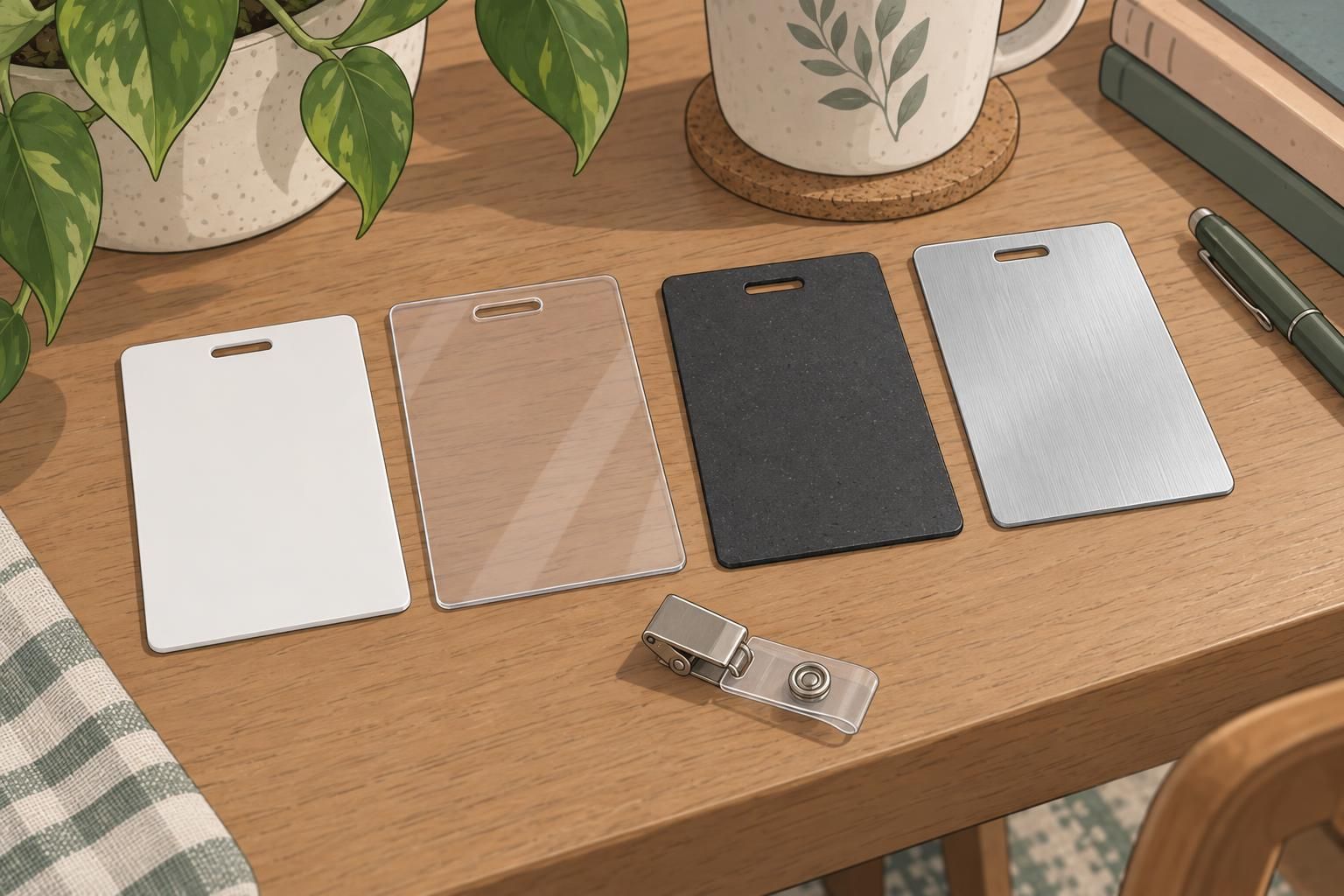
A badge buddy finish changes how light interacts with the surface. Matte has a subdued appearance with less pronounced reflection. Gloss is smoother-looking and more reflective, often making colors appear vivid. Either can work well, provided the role information stays easy to read in the intended setting.
- Brushed: Fine directional lines give metal a textured appearance and soften its reflections.
- Polished: A smooth, highly reflective metal surface creates a bright, formal look.
- Antique: Darkened areas emphasize recessed details and give the design an aged appearance.
- Anodized: A surface treatment used on aluminum that can provide a protective finish and color.
- Electroplated: A deposited metal layer changes the surface appearance. Its performance depends on the coating and underlying construction.
For metal designs with color, soft enamel leaves the colored areas recessed below raised metal borders. Hard enamel is filled and polished level with those borders, producing a flatter finished face. These describe different constructions, not simply different levels of shine.
When reviewing samples, distinguish decorative effects from practical surface protection. A finish name alone does not establish scratch resistance, cleaning compatibility, or how long the badge will retain its appearance.
Why matte is often better for daily wear
In a bright reception area, busy healthcare corridor, or evenly lit workspace, reflections can compete with role information. A matte surface reduces the sharp reflections that can briefly obscure a word as the wearer moves. That makes it a useful starting point when quick recognition matters more than a shiny presentation.
Matte can also make fingerprints and minor scratches less noticeable. This practical distinction is discussed in guidance about automotive badge materials and finishes from this source. The application differs from workplace identification, so treat it as a general surface-appearance principle rather than proof of a particular badge buddy’s durability.
Gloss remains a reasonable choice when vivid color and a polished presentation are priorities. However, glare, fingerprints, and small surface marks may stand out more readily. Check a sample at normal viewing angles, not only while holding it flat on a desk.
Matte helps manage reflections; it does not replace clear typography or strong contrast. A glossy holder over a matte card can also introduce glare, so evaluate the complete worn setup.

How material and finish affect everyday performance
The best badge buddy material balances durability, legibility, comfort, and maintenance. Frequent handling may call for a more rigid card, especially when the exposed portion is regularly grasped or bumped. More rigidity is not automatically better, however: added thickness or weight can make the complete badge assembly less comfortable.
For durable badge buddies, consider the printed surface and attachment area as well as the card body. Protection over the print can help preserve the information, while the attachment needs to suit the card’s dimensions and weight. An attractive surface offers little benefit if the role label becomes hidden behind the employee ID.
Cleaning deserves a separate check. Confirm which cleaning methods are suitable for the finished card, including its print, laminate, and any coating. Do not assume that every plastic or metal surface tolerates the same products. Where routine wiping is necessary, choose a construction the supplier confirms is suitable for that routine.
Finally, assess readability after assembly. Look at the badge under workplace lighting, at a realistic distance, and while it hangs naturally. This reveals problems that a close-up product photograph may not show.
Choosing a badge buddy for a specific workplace
The right combination depends on the environment rather than a universal material ranking. Start with what colleagues, visitors, or customers need to recognize, then consider lighting, handling, cleaning, and comfort.
- Healthcare: Prioritize an easily visible role label, low glare, and a surface compatible with the workplace’s cleaning routine. Check that the employee ID does not cover the role text.
- Manufacturing: Consider impacts, repeated handling, and attachment suitability. A tougher construction may be helpful, but the complete assembly should follow workplace requirements.
- Outdoor work: Review expected exposure and ask about suitability for those conditions. Check legibility in bright daylight rather than relying on an indoor sample.
- Public-facing roles: Balance a neat appearance with comfortable daily wear. Matte plastic or brushed metal may suit different identification formats without excessive reflection.
- Events: Match the construction to the wear period. A short event may not need the same specification as a repeatedly handled staff badge, but clear role information still matters.
If coordinating a team, compare samples in the actual workplace before settling on one specification. Consistent layout and role visibility can matter as much as a matching surface appearance.
A practical checklist for ordering badge buddies
Before ordering, turn the intended use into a short specification. This makes it easier to compare badge buddy material and finish options without focusing only on appearance or price.
- Wear period: Is the badge for a single event, occasional use, or daily wear?
- Handling: Will it be touched, flexed, or bumped frequently?
- Dimensions: Will the backing align with the ID while leaving the role label visible?
- Thickness: Is it rigid enough without making the assembly bulky?
- Material: Does the construction suit the expected handling and environment?
- Finish: Will matte, gloss, or a metal treatment remain readable under workplace lighting?
- Text size: Can the role be recognized at the distance where people need to read it?
- Cleaning: Has the supplier confirmed compatibility with the intended routine?
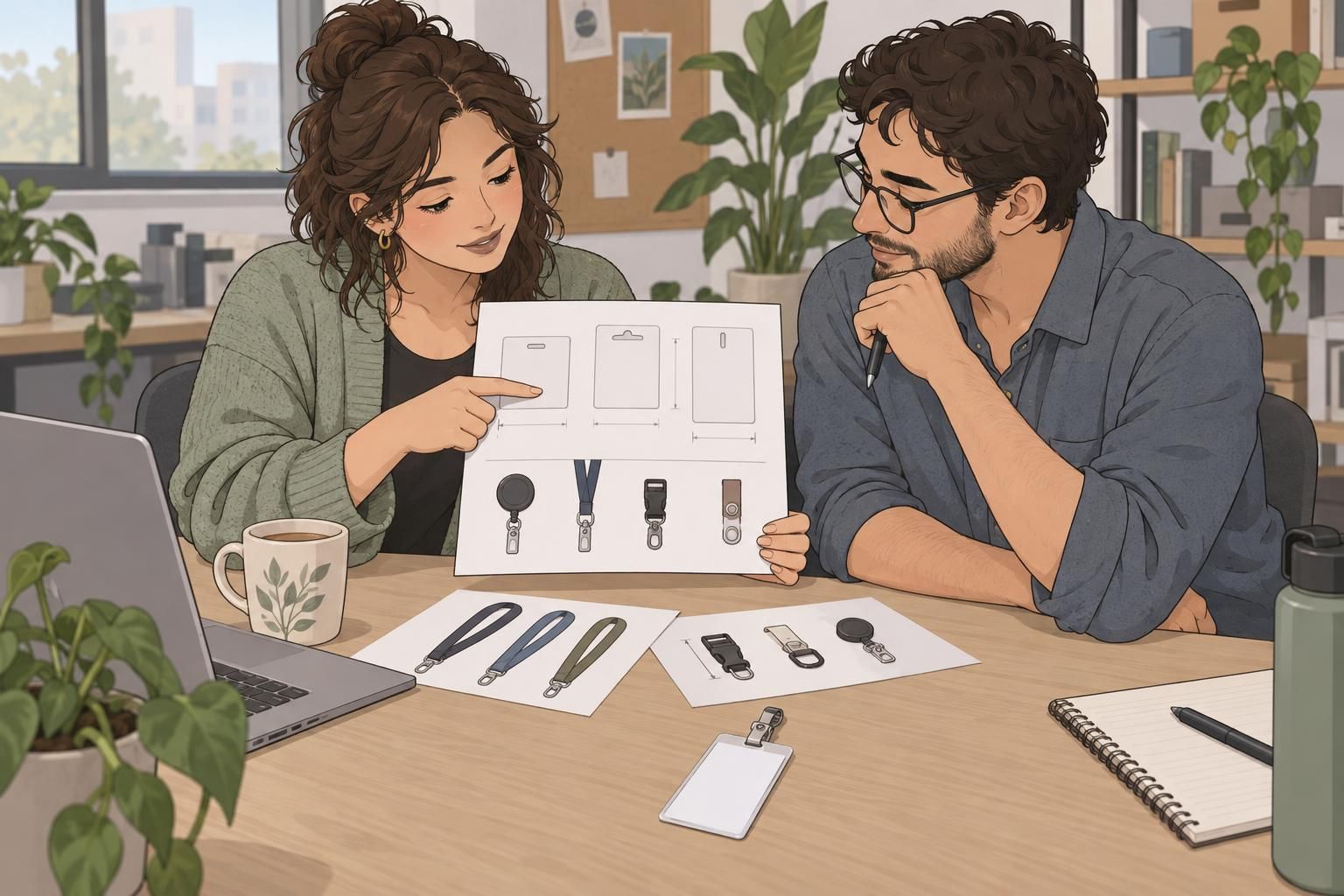
- Attachment: Will the clip, holder, or lanyard accommodate the combined pieces?
- Coordinated pairs: Which dimensions and finishes should match, and where must the buddy extend beyond the ID?
- Replacements: Can replacement pieces be ordered to the same specification?
For questions about a specific construction or custom request, contact BadgeZoo before finalizing the specification. A well-chosen badge buddy should keep role information visible, feel comfortable throughout the day, and suit the way it will actually be used.