Let’s be blunt: not all medical ID cards are created equal. Some look like they were printed at home. Others fade, tear, or get buried so deep in your bag that they might as well be invisible.
So, what makes a good medical ID card — and why does it matter when every second counts?
Ours? It’s made to be seen — and trusted — when everything else feels chaotic.
Here’s what makes a BadgeZoo Medical ID Card different, and why people who value safety, speed, and clarity carry it every day.
Built Like Gear — Not Paper
When asking
what makes a good medical ID card, durability is always at the top of the list.
We didn’t mess around with materials. Our card is:
- Multi-layer PVC — Think ID badge, not business card
- Scratch-resistant, high-contrast print — Always legible, even in the wild
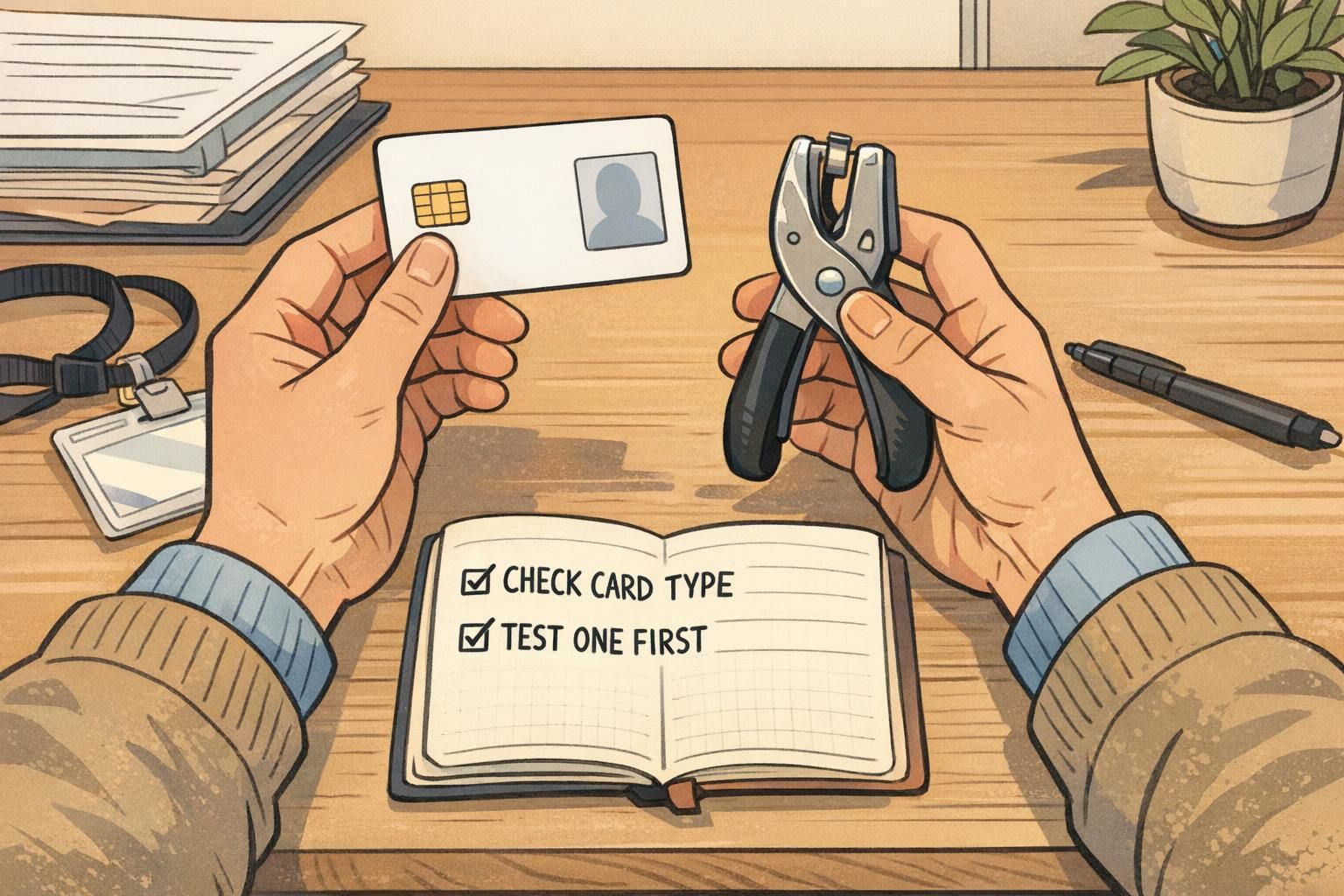
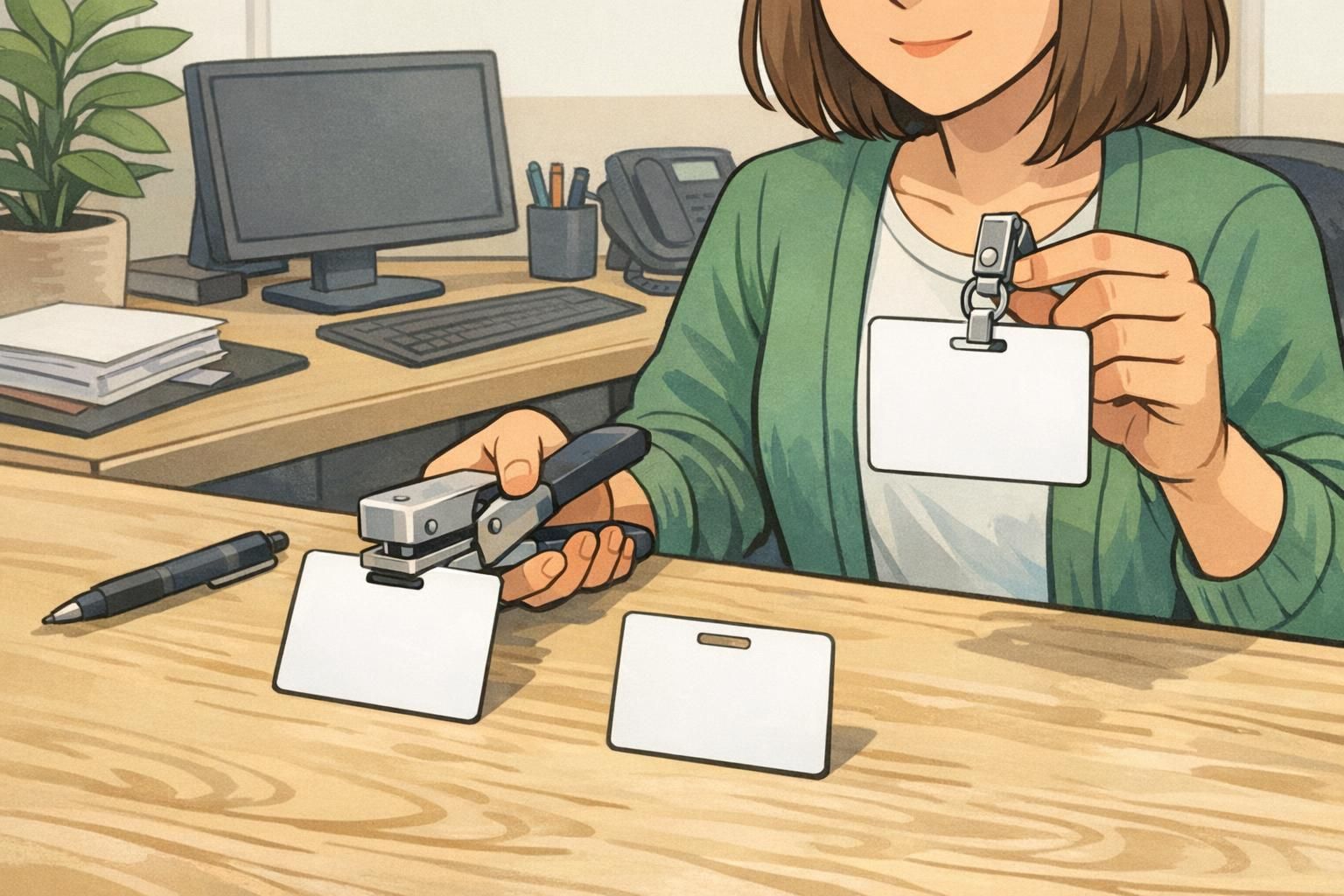
- Punch-hole ready — Clip it, wear it, or wallet it — your call
It’s the same tech used in pro-grade
Badge Buddies. If our cards can survive hospital shifts, they can survive your day-to-day.
Designed for Emergencies: What Makes a Good Medical ID Card Work Fast
Let’s talk real life.
When you collapse, panic in public, or can’t speak for yourself — responders have seconds to decide what to do.
We designed our card for those exact seconds:
- Big name + photo = instant ID
- Bold layout = no confusion
- Conditions, allergies, meds, contacts = right up front
This layout wasn’t made in a boardroom. We built it with feedback from EMTs, nurses, and educators — the people who
actually use it.
Why Two Sides Are Better Than One
Trying to cram your health history on one side is a rookie mistake. That’s why we went double-sided:
- Front: Conditions, allergies, contact info
- Back: Medications, medical notes, DNRs
It’s clean. It’s organized. It’s the difference between a guess and a plan.
Built on Recognition
Another reason why
what makes a good medical ID card truly matters — responders need to find it instantly.
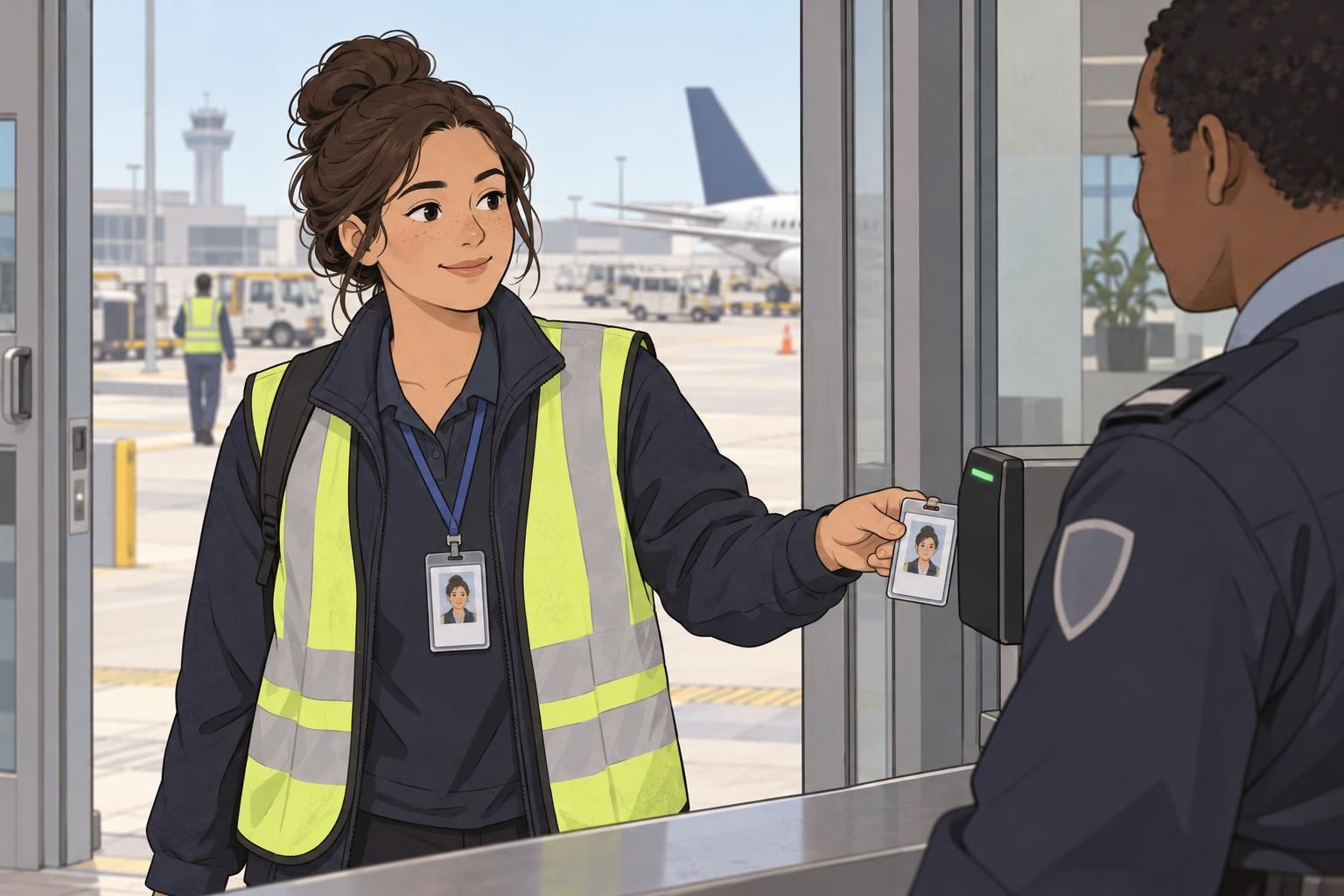
First responders are trained to spot fast, not read fine print. And a little-known truth? Many already recognize our design language — because they use our
Badge Buddies.
So when your card lands in their hand? It doesn’t need a tutorial. It’s familiar. It’s fast. It’s the clarity they need to help
you fast.
This Card Doesn’t Wait — It Works
Let’s make it real.
Scenario one: You collapse. It’s sudden. EMTs arrive, but you have no ID, no medical alert, and your phone is locked. They’re trained, but they’re flying blind. It takes minutes — maybe longer — to get the information they need. And when seconds matter, that delay could change everything.
Scenario two: Same situation. But this time, they find your BadgeZoo Medical ID Card in your wallet. In 10 seconds, they know your name, allergies, chronic condition, emergency contact, and even what
not to do. Treatment starts faster. Risks drop. Your outcome? Way better.
This isn’t optional anymore. In the United States, first responders rely on what they can see —
right now. If you want to be treated fast and right, a Medical ID Card makes that possible. It cuts through confusion. It tells your story when you can’t.
By 2030, this card will be as essential as carrying your driver's license — because
every second you save can be the one that saves you.
If you’re ready to carry something that actually carries
you — it’s time to build your card.
Want to make your card even sharper? Check out our guide on
how to customize yours. And honestly, forget asking
who needs one — by now, we know the answer is:
everyone. Because whether you’re managing a condition or just want to avoid chaos in a crisis, this card helps you get the care you need, faster.
Then build one that works when you can’t talk.
Create Your Medical ID Card →