What a Badge Buddy Is (and How It Differs From an ID Badge)
In most hospitals and clinics, staff already wear an ID badge for identification, access, and security. A badge buddy is a simple add-on that works with that existing system: it’s a larger, easy-to-read card that sits behind (or slightly below) the standard ID badge so role information is visible at a glance.
Because an ID badge often prioritizes a photo, name, and facility details in a small footprint, the role title can end up tiny—or hidden by the badge holder, clip, or PPE. Badge buddies solve that visibility problem by giving the role label more space, stronger contrast, and clearer placement, without replacing the primary ID.
- Color-coded role cards: A bold role label (for example, RN, LPN, RT) paired with unit-approved color conventions to speed recognition.
- Training-level cards: Identifiers such as Student Nurse, New Grad, Preceptor, Resident, Fellow, or Charge Nurse to clarify responsibilities at a glance.
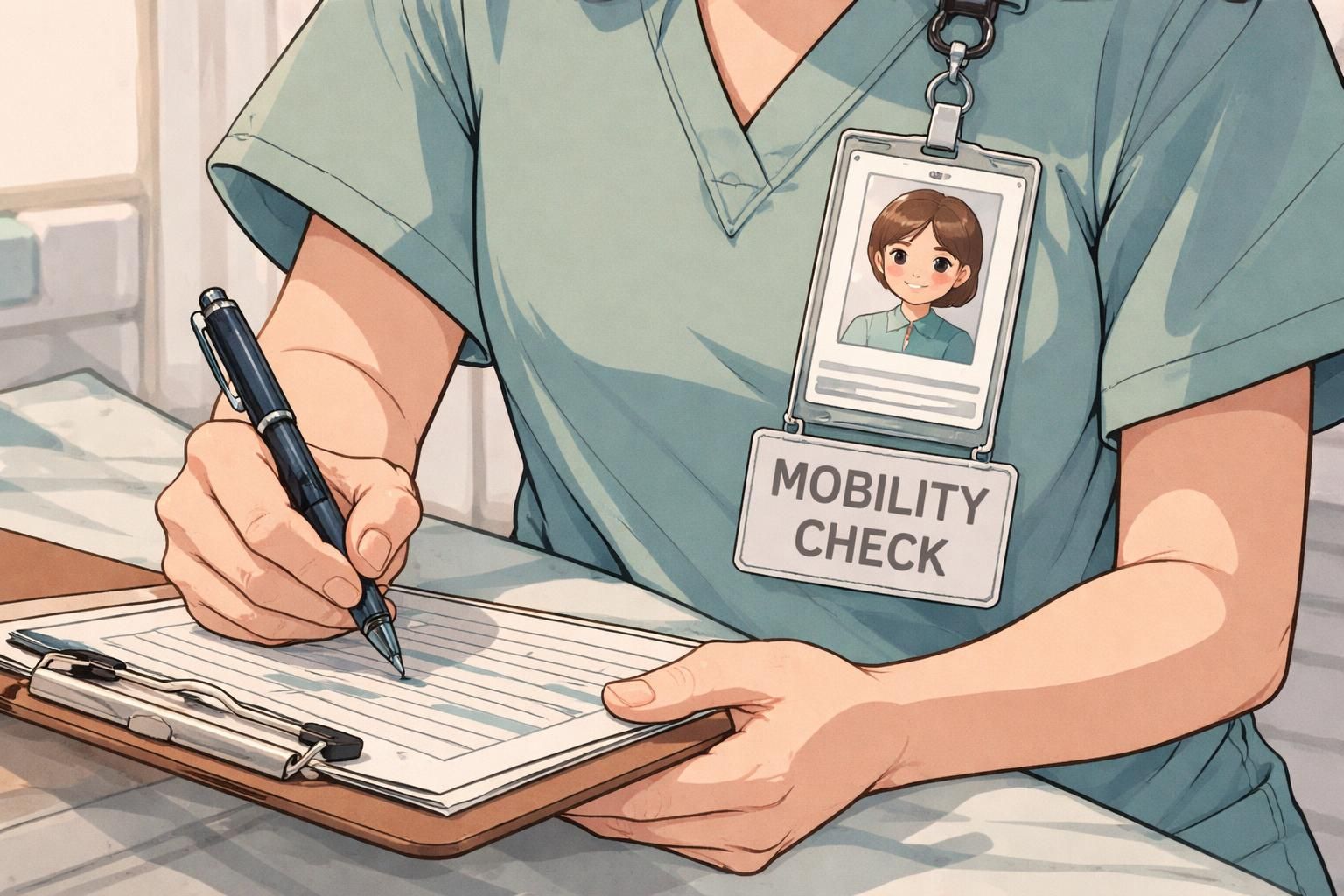
- Quick-reference cards: Brief reminders like safety prompts, mobility cues, or unit-specific checklists that help standardize care behaviors in the moment.
Most commonly, a badge buddy is worn with the same clip, reel, or lanyard as the ID badge, forming a single vertical “stack.” That way, the staff member doesn’t need a second attachment point and the identification stays together when walking, charting, or moving between rooms.

Why Role Clarity Matters in Busy Clinical Settings
Healthcare is a team sport, and many roles can appear similar to patients and even to coworkers who don’t routinely work side-by-side. In a single hallway you may see RNs, LPNs, CNAs, unit clerks, residents, attending physicians, pharmacists, respiratory therapists, imaging staff, environmental services, and more—often wearing similar PPE or scrubs.
In fast-moving environments like emergency departments, inpatient units, procedural areas, and teaching hospitals, role clarity supports smoother care. When “who’s who” is obvious, teams can coordinate faster, handoffs run cleaner, and routine questions don’t turn into time-consuming searches.
In high-traffic clinical areas, a clear role label isn’t about hierarchy—it’s about helping the right task reach the right person quickly.
Helping Patients and Families Understand Who Is Caring for Them
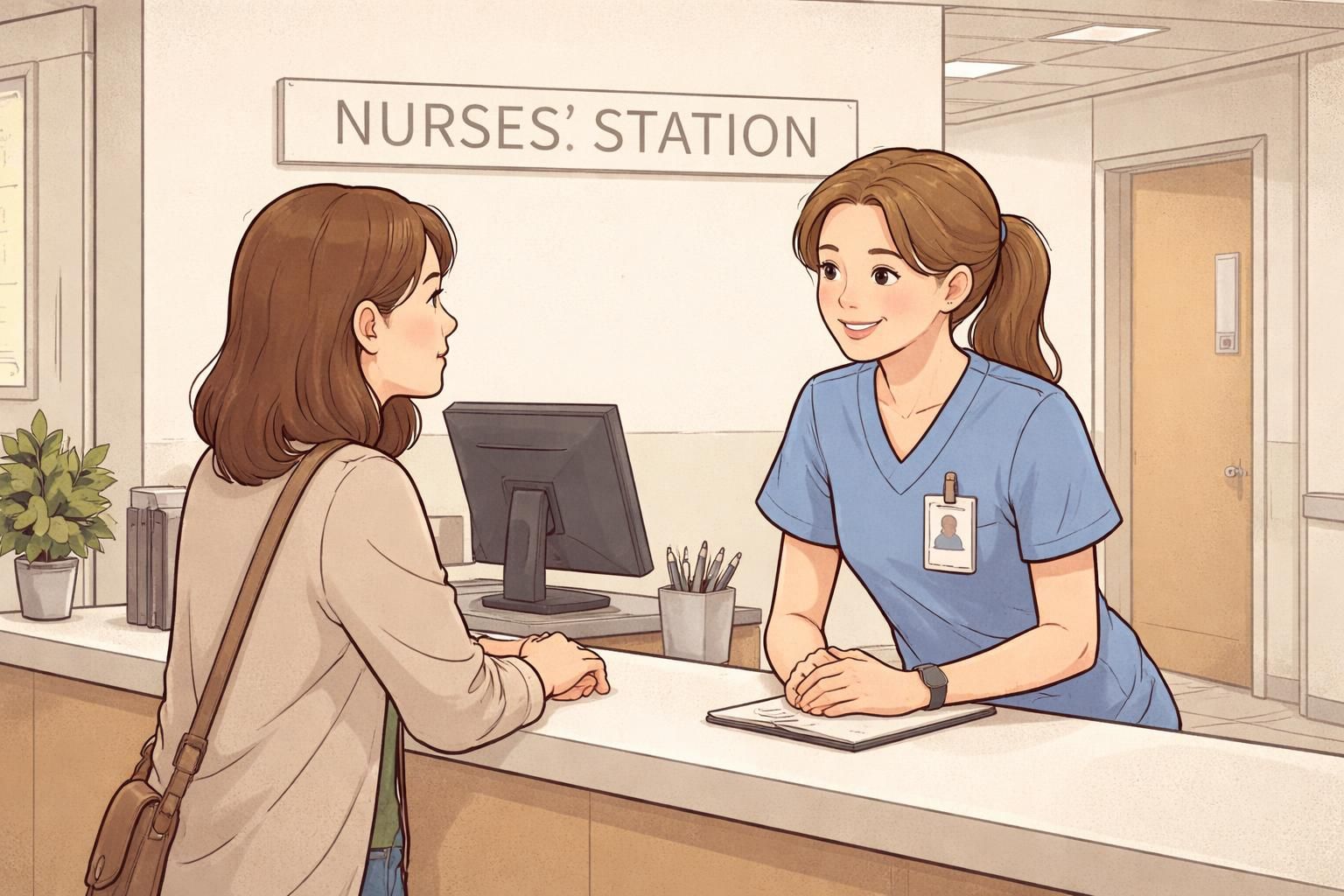
For patients and families, hospitals can be confusing. Job titles may be unfamiliar, uniforms vary by unit, and different clinicians may visit within minutes of each other. Even when a staff member introduces themselves clearly, it can be hard for patients to remember names and roles—especially during stress, pain, or sleep disruption.
Badge buddies can make introductions stick. A plain-language role label (RN, LPN, Physician, Respiratory Therapist, Pharmacist) helps patients understand what each person can do and what questions they’re best equipped to answer. That clarity can reduce uncertainty and support a calmer, more trusting care experience.
This becomes even more valuable when PPE makes faces harder to recognize. Research discussing patient perceptions during PPE-heavy care environments notes that patients often prefer more visible names and clearer identification to help them recognize staff and remember who is who (source). A readable role identifier is one practical way to support recognition when facial cues are limited.
- Supports better questions: Patients can direct questions to the right role sooner.
- Reduces uncertainty: Families feel more oriented when they can identify who is leading which part of care.
- Reinforces introductions: A quick glance helps patients connect a name, role, and face (even with masks).
Making Communication Faster for Nurses and Interprofessional Teams
Nurses and clinical staff constantly coordinate: orders, consults, equipment, medication timing, transport, escalation, and patient education. When roles are visible, communication becomes more direct—especially across disciplines that don’t work together every day.
Instead of asking, “Who’s covering this patient?” or “Is that the charge nurse?” staff can confirm with a glance. That can reduce interruptions, cut down on misrouted requests, and keep attention where it belongs—on the patient.
- High-acuity moment: Quickly spotting the respiratory therapist when a patient’s work of breathing changes.
- Unit operations: Identifying the charge nurse during bed placement questions or staffing concerns.
- Orders and consults: Recognizing the covering resident or hospitalist when time-sensitive decisions are needed.
- Workflow support: Finding the unit clerk or tech who can help route calls, transport, or supplies.
"When everyone is masked and the unit is loud, the role label saves a step. I can get the right person faster without guessing." – Inpatient RN
Supporting Safety and Escalation Protocols
Many organizations build safety into communication—clear escalation pathways, defined supervisory responsibility, and structured handoffs. Badge-based identifiers can reinforce those pathways by making key roles easier to find when it matters: charge nurse, lead tech, rapid response roles, preceptor, or specific on-call coverage.
The most effective approach is practical and unit-aligned. A badge buddy won’t replace policy, training, or teamwork, but it can support them by reducing ambiguity during time pressure.
- Align roles with real workflows: Use titles staff actually use in the moment (for example, Charge Nurse vs. Team Lead if that’s the local language).
- Keep wording consistent across units: If one area uses RN and another uses Registered Nurse, decide what is clearest and standardize it.
- Avoid ambiguous titles: Labels like Staff or Clinician can be too broad to help during escalation.
- Confirm who should wear what: Make sure supervisory identifiers match scheduling and coverage models.
Role labels work best when they reflect how decisions and escalation actually happen on that unit—not just how a job title appears on paper.
Point-of-Care Reference Badge Buddies: Checklists and Clinical Reminders
Not every badge buddy is role-only. Some teams use reference-style badge buddies that include short, standardized reminders—helpful in environments where interruptions are constant and policies evolve. These are designed for quick cues, not lengthy instructions.
Common examples include brief scoring prompts (like a unit’s preferred delirium screen reminder), mobility cues, sepsis steps, isolation quick prompts, or unit phone numbers and codes—kept concise enough to be useful in real time.
- Keep it short: A few bullets or a tiny checklist is more usable than dense text.
- Standardize across the unit: Reference content should match current policy and education.
- Update intentionally: Build a process for revision when protocols change.
- Treat as a prompt, not a substitute: Reference cards support clinical judgment and local policy—they don’t replace training or documentation.
Professional Identity, Respect, and Reducing Misidentification
Misidentification happens easily in healthcare—especially when staff are moving quickly, wearing similar PPE, or rotating through units. Being mistaken for a different role can create friction, slow down communication, and affect the experience of both staff and patients.
A clear role identifier is a practical, respectful tool that supports accurate recognition. It can also reinforce consistent introductions: when a clinician says, “I’m your nurse today,” the badge buddy visually confirms it. Over time, this helps normalize clearer communication and reduces confusion that can lead to unhelpful assumptions.
"The role label helps patients address the right person—and it helps our team feel seen for the work we do." – Clinical Educator

Design Best Practices: Readability, Color, and Placement
Badge buddies only help if they can be read quickly. In clinical environments, that usually means designing for movement, distance, and partial obstruction (hands full, gown ties, isolation gear, or a staff member leaning over a workstation).
- Use large, legible type: Prioritize the role label over decorative elements.
- Choose high contrast: Dark text on a light background (or the reverse) improves quick recognition.
- Use plain-language labels: RN, LPN, DOCTOR, PHARMACIST, RESPIRATORY THERAPIST—whatever your organization approves and patients can understand.
- Follow unit-approved color conventions: If your facility uses certain colors for roles, keep them consistent to avoid confusion.
- Keep the layout simple: One clear role label is usually more effective than multiple competing lines.
Placement matters too. A common best practice is a straight vertical stack behind the ID badge using the same top clip, reel, or lanyard. This keeps the role visible even when staff are walking, turning, charting, or wearing PPE—while staying compatible with existing badge holders and attachment methods.
Should the badge buddy be wider than the ID badge?
Is color-coding enough on its own?
Implementation Tips: Standardize Titles, Train Staff, and Maintain Consistency
Rolling out badge buddies works best as a small standardization project rather than a one-off print run. The goal is to make role identification consistent enough that patients and teams can rely on it—without creating confusion across units or shifts.
- Decide the standard role titles: Choose a limited set of labels that match how your organization communicates (and what patients understand).
- Confirm eligibility: Define who wears each label (including float pool, travelers, students, and per diem staff).
- Align with leadership and educators: Unit leadership and clinical education can help ensure wording and colors fit workflow and policy.
- Train for consistent wear: Encourage a standard placement (same clip, same orientation) so the identifier is easy to spot.
- Plan replacements: Build an easy process for reprints due to wear, role changes, or onboarding.
- Schedule periodic review: Revisit the system when roles, branding, or protocols change so identifiers stay accurate.
Consistency is what makes a badge buddy system feel intuitive. When labels and colors are standardized, people don’t have to “re-learn” who is who on every shift.

Choosing Badge Buddies and Accessories That Fit Your Workplace
Badge buddies are most useful when they fit seamlessly into how your team already wears IDs. Before choosing a format, consider the environment (high-contact areas, frequent cleaning, PPE use), the attachment method (reels vs. lanyards), and what information needs to be visible quickly.
- Durability: Rigid, scuff-resistant materials hold up better to daily wear.
- Cleanability: Consider surfaces that can be wiped according to local policy and infection prevention guidance.
- Compatibility: Ensure they fit your existing badge holders, reels, clips, and lanyards without extra hardware.
- Visibility needs: Decide whether you need large role IDs, clear photo visibility, or quick-reference prompts.
- Unit tailoring: Many organizations use one standard across the facility, while others tailor by unit (ED, ICU, peds, periop) based on workflow.
When the design is readable, the titles are standardized, and the system is maintained over time, badge buddies become a small tool with an outsized impact: clearer introductions, faster teamwork, and smoother day-to-day care.