School Lanyards for Kids: Choosing Safer, Softer Badge Accessories
Why school lanyards matter for safety, comfort, and routine
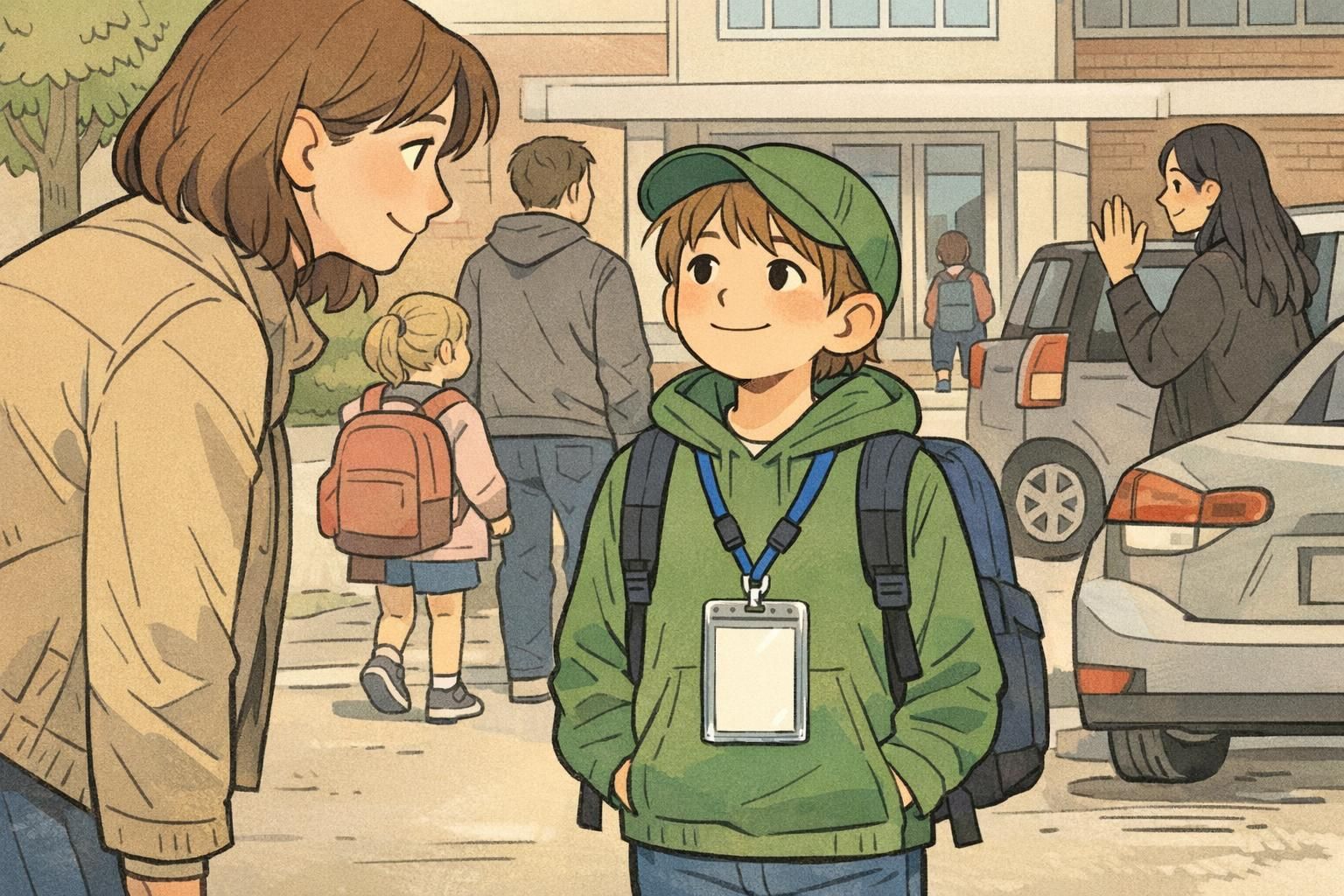
School lanyards aren’t just a “nice-to-have” accessory—they’re part of the daily rhythm that helps campuses run smoothly. When a student’s ID is easy to find and easy to show, check-in is faster, lunch lines move more predictably, and library or bus routines feel less stressful. From a safety perspective, visible identification also supports quick recognition for staff, especially during arrivals, transitions, and events.
For kids, the best setup is the one they’ll actually keep on. That means balancing comfort (so it doesn’t scratch or annoy them), practical durability (so it survives backpacks and play), and safety-minded design (so it doesn’t create a snagging risk). A good lanyard-and-holder combo can also reduce lost cards by giving the ID a “home” on the child, instead of bouncing around a pocket or backpack.
- Routine: IDs stay accessible for check-in, lunch, library, and after-school pickup.
- Reduced loss: A consistent wear spot helps prevent forgotten or misplaced cards.
- Comfort: Soft, flexible straps are easier to tolerate all day.
- Campus flow: Clear visibility supports faster recognition without extra handling.
Kid-focused safety basics: breakaway, short length, and snag reduction
When choosing lanyards for children, start with safety features that reduce the chance of a strap pulling tightly if it gets caught. The most important feature is a breakaway connector—typically a clasp designed to release when pulled with enough force. Instead of tugging on a child’s neck, the lanyard separates.
Length also matters. Younger students generally benefit from a shorter drop so the ID sits higher on the chest and is less likely to catch on desk corners, playground equipment, or backpack straps. If a lanyard is adjustable, ensure it can be worn comfortably without hanging too low.
Finally, pay attention to the “fiddly parts.” Hardware that is bulky, sharply edged, or overly complicated can pinch, tangle, or become a distraction. In most schools, simple and smooth wins—especially for elementary grades.
- Breakaway connector: Helps the strap release under force.
- Shorter length for younger grades: Reduces snagging and swinging.
- Smooth, rounded hardware: Less pinching and less irritation.
- Simple attachment points: Fewer tangles, fewer broken parts.
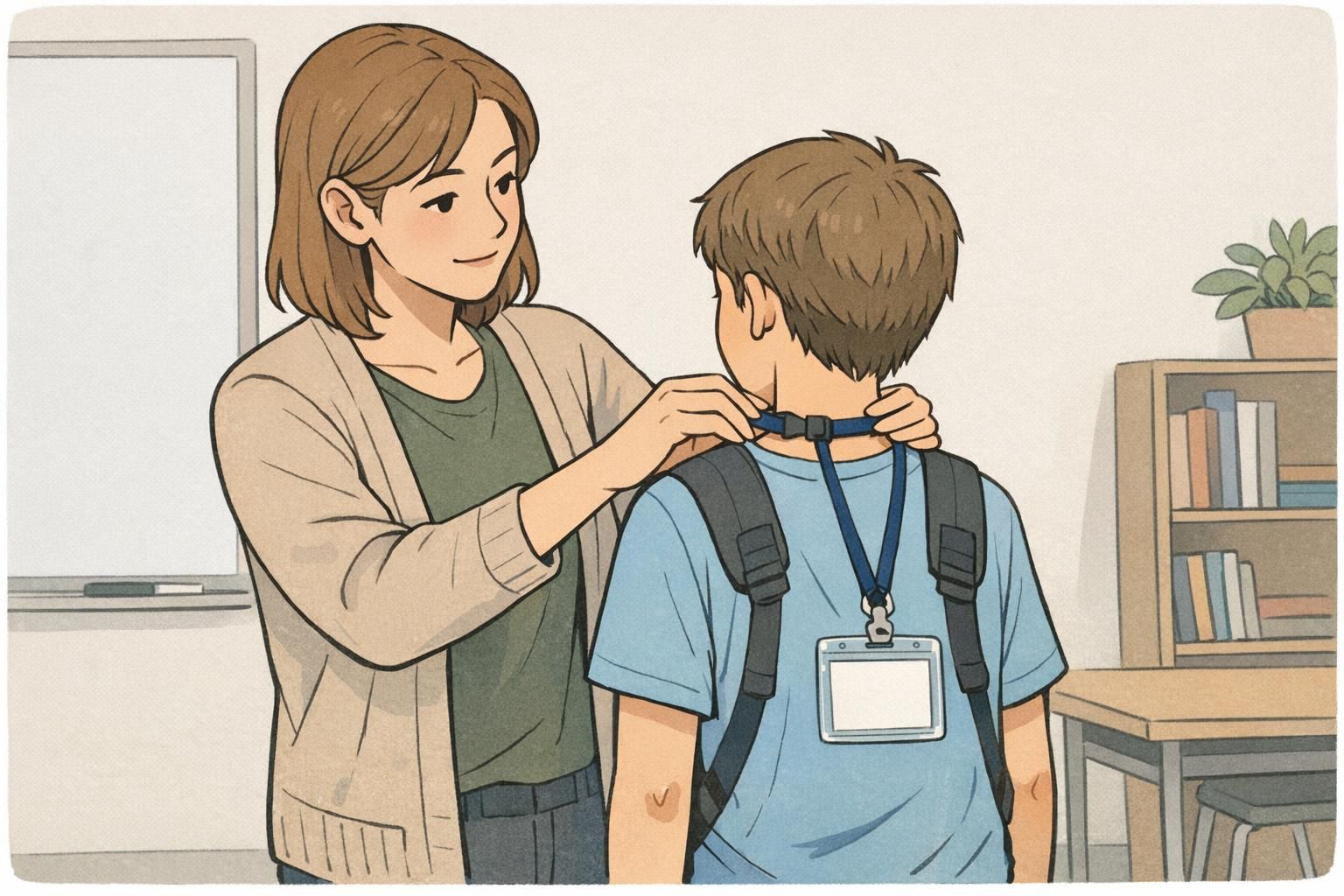
If you’re deciding between extra features and a safer design, prioritize breakaway function and a kid-appropriate length first. Comfort and durability come next.
Materials that feel better and clean easier (especially in busy schools)
In schools, badge accessories get touched constantly—by kids, by staff helping younger students, and during repetitive daily moments like lunch and dismissal. That’s why material choice isn’t only about comfort; it’s also about practical cleaning. In busy, kid-heavy environments, wipeable surfaces are often easier to maintain than porous fabric that can hold onto dirt over time.
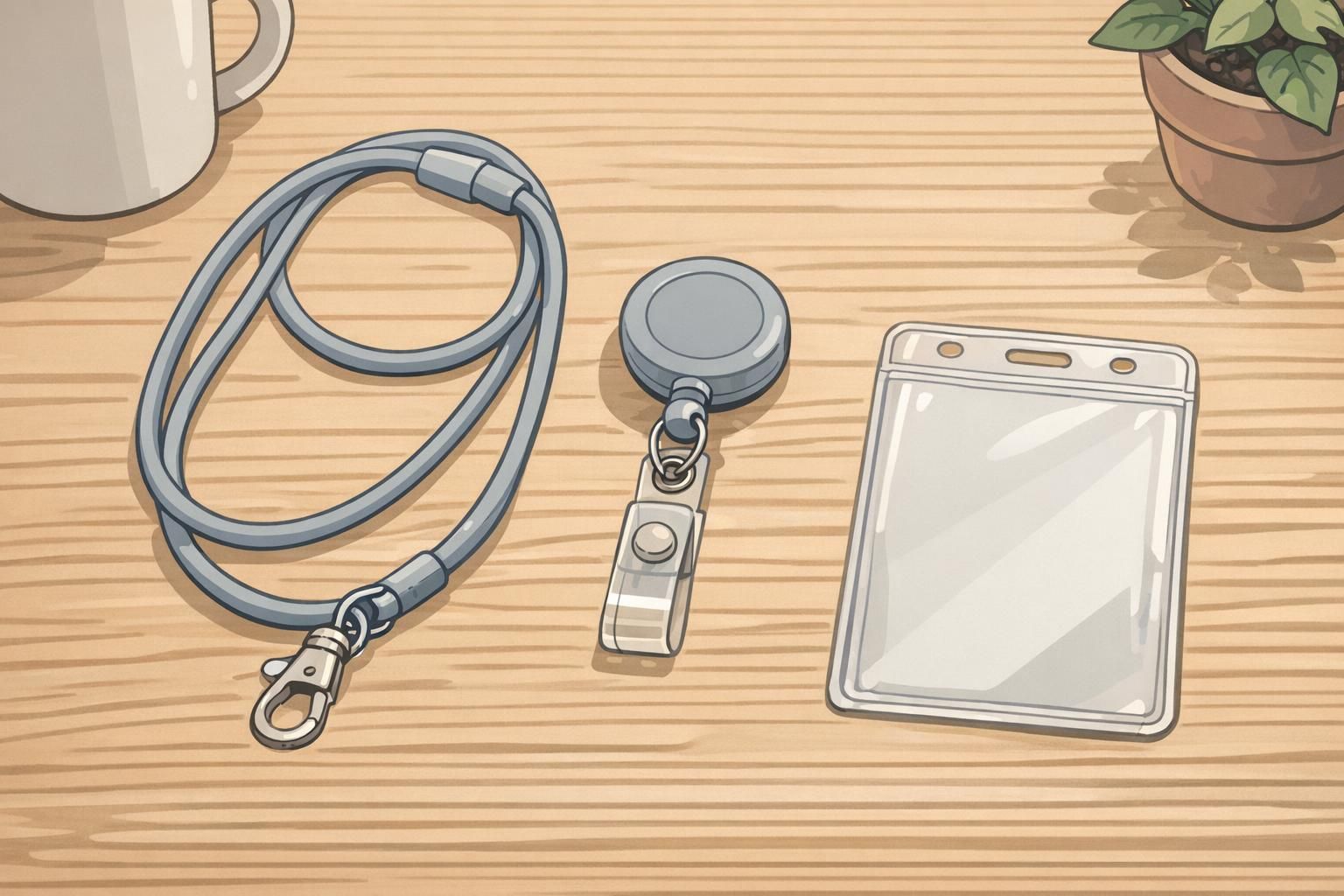
Soft silicone lanyards are a popular option because they’re flexible, comfortable against skin, and can typically be washed with soap and water. They also tend to resist absorbing spills compared with many fabric straps. If a school wants an option with minimal dangling, retractable reels and sturdy clips can keep the ID closer to the body—helpful for reducing swing, snagging, and unnecessary contact.
It’s also worth acknowledging that wearable items in pediatric settings can become contaminated over time; choosing less-porous, wipeable materials and building a cleaning routine can help reduce hygiene risks in child-centered environments like schools (source).
- Wipeable materials: Often simpler for staff and families to maintain day to day.
- Soft silicone: Flexible feel and easy soap-and-water cleaning.
- Reels and clips: Reduce dangling and keep the card closer to the body.
- Avoid overly textured straps for younger kids: They can trap grime and feel scratchy.
Student ID accessories that survive backpacks, lockers, and lunch lines
Durability problems usually come from the same few weak points: flimsy clips, thin strap connections, and complicated add-ons that snap off when tugged. The best student ID accessories for everyday school life are often the simplest—built around sturdy attachment points and fewer moving parts.
Look for reinforced connections where the strap meets the clip, and choose hardware that doesn’t feel like it could bend easily. If the ID needs to be shown often, aim for a setup that keeps the card facing forward and readable—this reduces handling and helps prevent the “constant flip” that can fatigue clips and holes.
- Choose rugged, simple hardware over decorative add-ons.
- Prefer reinforced strap-to-clip connections.
- Avoid tiny, complex clasps that kids can’t attach reliably.
- Keep the ID oriented forward to reduce twisting and stress on the attachment.
“The gear that lasts the longest is the gear students don’t have to think about—clip it on in the morning, show it quickly, and move on.” – School operations coordinator
Simple holders: protect the card, keep it readable, prevent bends
A clear badge holder does a lot of quiet work in a school setting. It helps protect ID cards from cracked corners, peeling photos, and the everyday pressure that comes from backpacks and lockers. For younger students especially, a holder can be the difference between a card that lasts the year and a card that needs replacement halfway through.
Choose a holder with smooth edges (so it doesn’t scratch) and a secure opening so the card doesn’t slide out during running, climbing, or hurried transitions. Clear visibility matters, too: staff can recognize the ID quickly without kids needing to pull the card out and handle it repeatedly.
- Clear front: Supports faster recognition without extra handling.
- Secure top opening: Helps prevent IDs from slipping out during play.
- Smooth edges: More comfortable against clothing and skin.
- Appropriate orientation: Vertical or horizontal to match the school’s ID layout.
A holder still helps prevent bends, corner cracks, and surface wear from friction inside backpacks and pockets. It also keeps the ID cleaner and easier to read without constant handling.
Use whatever matches your student ID format. The best choice is the one that keeps the card fully visible and doesn’t force the ID to rotate or sit sideways.
Cleaning and daily-use habits for safer badge gear
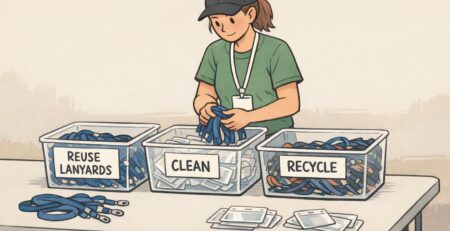
Even the best accessories won’t stay comfortable and practical without basic care. The goal in schools is not perfection—it’s simple, repeatable habits that keep lanyards and holders in good shape and reduce grime buildup from daily use.
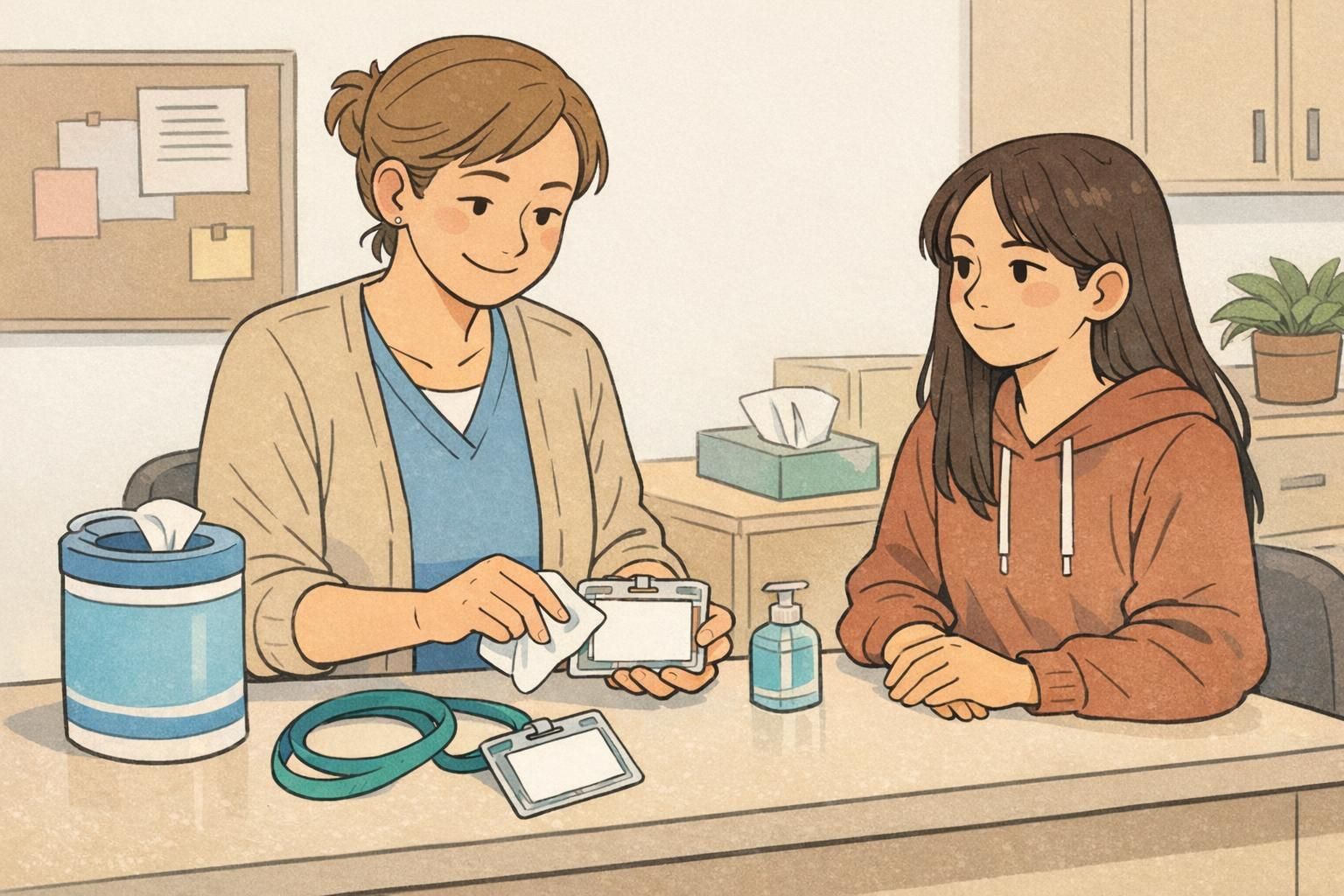
Wipeable materials make quick cleaning easier. Depending on a school’s norms and what families prefer, that might mean a damp cloth for routine cleanup or alcohol wipes when appropriate (especially after messy activities). After cleaning, letting items dry fully helps avoid lingering moisture that can make straps feel unpleasant or collect lint.
Some schools also benefit from “badge-off” moments—times when staff may have students store badges safely (for example, during high-activity play) to reduce swinging, snagging, and constant handling. The key is consistency: kids do best when the rule is simple and the storage spot is predictable.
- Quick wipe-downs: Build it into weekly routines or after high-mess days.
- Dry fully: Prevents damp straps and keeps gear feeling comfortable.
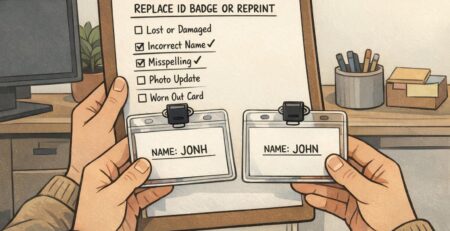
- Replace worn parts: Swap cracked holders or unreliable clips before they fail.
- Use safe storage moments: During active play, have a consistent place to store IDs if needed.
A sturdy holder plus an easy-clean strap is often the most “hygiene-friendly” combination—less handling of the card, fewer places for grime to collect, and quicker wipe-downs.
Recommended setups by grade level (what typically works best)
Different ages use badge accessories differently. Elementary students may need more help attaching and keeping track of gear, while older students often care more about convenience and low-profile wear. The best approach is to match the setup to daily movement patterns—classroom time, transitions, sports, and after-school activities.
- Elementary school: Breakaway lanyards in soft, wipeable materials plus a sturdy clear holder to prevent card damage. Aim for a shorter length and simple hardware.
- Middle school: Retractable reels or short lanyards can reduce swinging and snagging during faster hallway transitions. Pair with a clear holder that stays readable.
- High school: Low-profile holders and clips tend to fit better with backpacks, sports gear, and student preferences while still protecting the card.
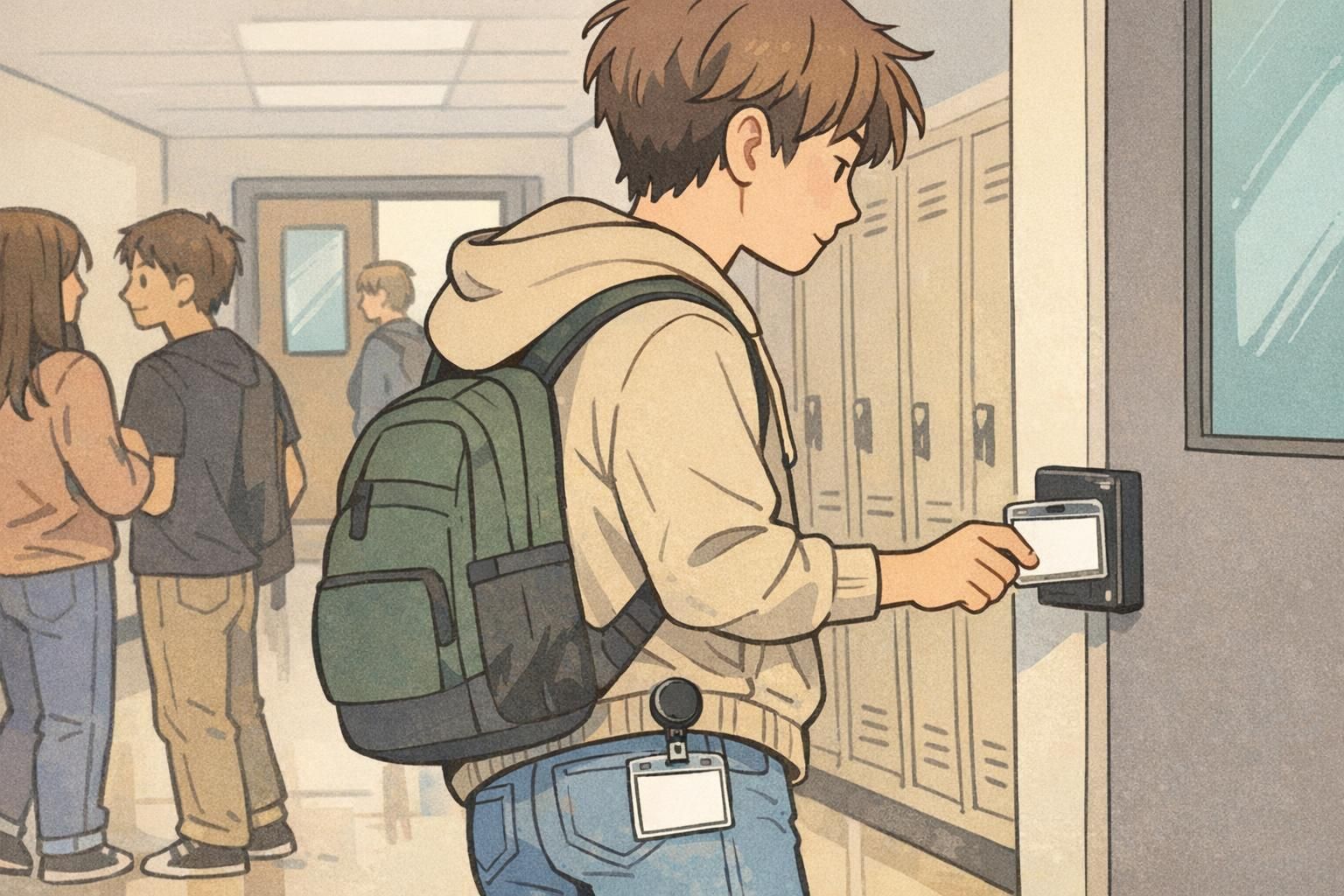
Consider alternatives like a retractable reel clipped to clothing or a wristband-style option that can be cleaned easily. The goal is consistent access and visibility without discomfort.
Standardization can simplify supply and expectations, but some schools do better with a primary option plus one approved alternative for comfort or accessibility needs.
Product picks for schools: breakaway lanyards and durable badge holders
For many schools, the most reliable “default kit” is a breakaway lanyard paired with a clear holder sized to the student ID. It keeps the card visible, reduces bending and wear, and supports quick daily use without complicated parts. Choosing school colors can also make supervision and organization easier—especially during arrival, dismissal, or campus events.
If you’re building or refreshing a program, you can start with a simple combination like breakaway lanyards and clear badge holders and then adjust based on grade level needs (shorter lengths for younger students, reels for high-movement groups, and extra holders for replacements).
When ordering for a school, practical constraints matter. BadgeZoo has no minimum order quantity, which can be helpful if you’re piloting a small batch for one grade, one club, or a specific program before standardizing campus-wide.
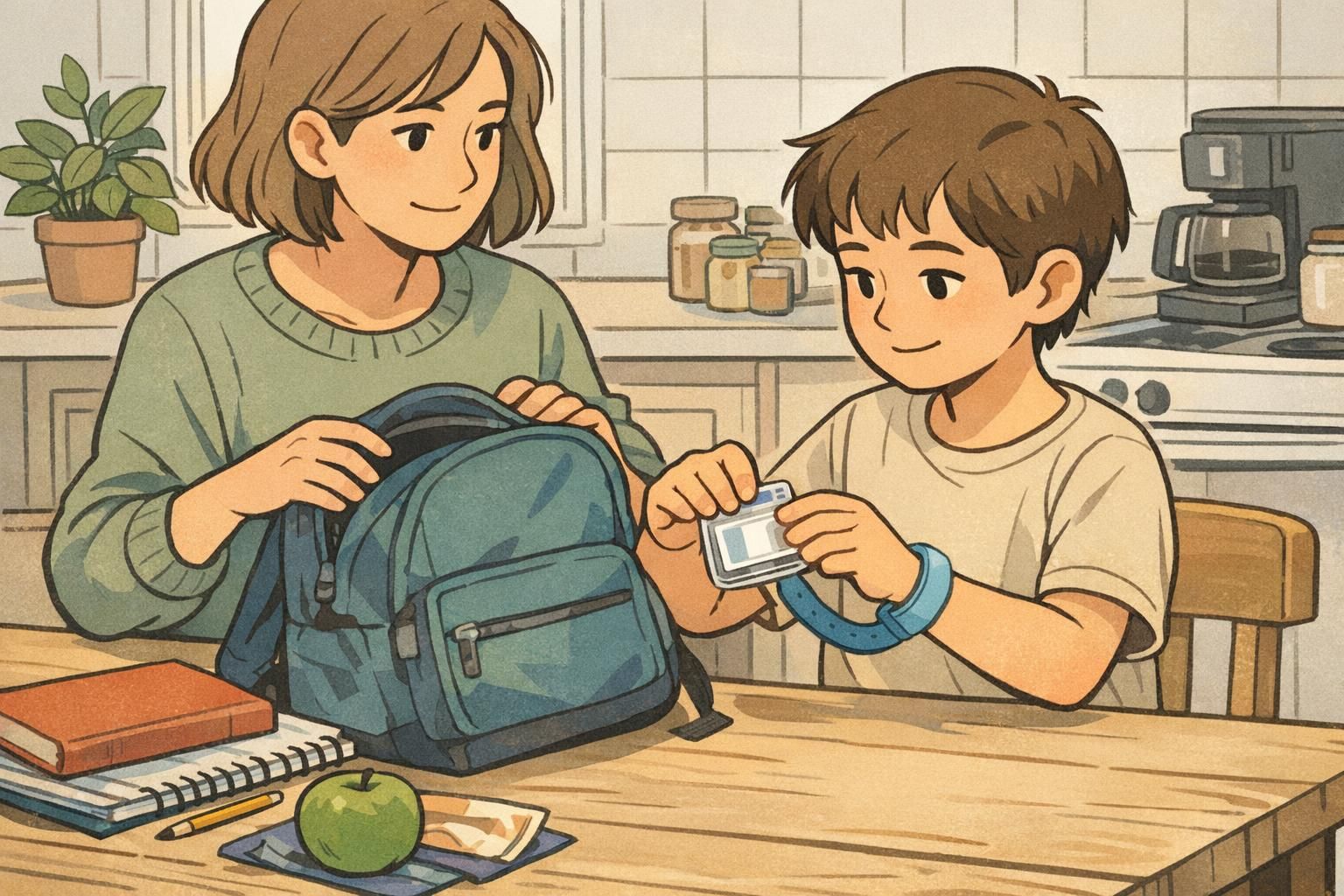
A school-friendly setup is usually: breakaway strap + clear holder + simple hardware. It’s comfortable, easy to recognize, and tough enough for backpacks, recess, and everyday wear.