Rigid badge holder vs Flexible Badge Sleeve: Which Protects Your ID Best?
Rigid vs Flexible: What a Rigid Badge Holder and Sleeve Actually Protect Against
A rigid badge holder and a flexible badge sleeve both support ID card protection—but they protect in different ways. If you’re choosing for a workplace, school, hospital, or event, the best option usually comes down to what damages your cards in real life: bending in a pocket, rubbing against keys, being handled dozens of times a day, or getting exposed to dust and moisture.
In general, a rigid badge holder is designed to keep an ID flat and shield it from bending, edge wear, and surface abrasion. The stiff plastic face acts like a small shell, helping the card stay presentable when it’s clipped to clothing, bumped in hallways, or pressed against a bag or toolbox.
A flexible badge sleeve is usually slimmer and lighter. It tends to excel at keeping fingerprints, dust, and light moisture off the card while still allowing the card to flex naturally with your movement. Sleeves are often chosen when people remove the badge frequently or when comfort and low bulk matter most.
Expectation-setting: neither option makes a credential indestructible. Rigid holders reduce bending and corner crushing; sleeves reduce grime and handling marks. Your daily routine (drops, pocket pressure, and how often you touch the card) determines which protection matters more.
- If your badge gets bent or crushed: start by comparing rigid holder options.
- If your badge gets smudged, dusty, or handled constantly: a flexible sleeve may keep it cleaner day-to-day.
- If you scan hands-free (barcode/QR): a flatter face can help keep scanning consistent.
- If you swipe (magstripe): easy removal may matter more than stiffness.

Durability & Daily Wear: Cracks, Creases, and Card Edge Damage
Durability is where the rigid badge holder vs sleeve choice becomes most noticeable. The card itself is more likely to crease or get corner damage when it’s carried loose, clipped without support, or pressed in a pocket. A rigid holder reduces those stresses by keeping the card flat and distributing pressure across the holder instead of the card.
Flexible sleeves approach durability differently. Because they bend with you, they often tolerate normal movement without cracking. If you sit, twist, or lean into counters all day, a sleeve may deform temporarily and then return to shape—while some rigid plastics can eventually crack if repeatedly flexed at the same point.
That said, both styles have common failure points. It’s useful to think about “what breaks first” in your environment, not just which one feels stronger in your hand.
- Rigid holder failure points: cracking at corners after impacts, stress whitening, broken attachment points, scratched faces that make the badge look worn.
- Flexible sleeve failure points: split seams, stretched entry openings that let the card slip, torn hang holes, rippling or scuffing that reduces a crisp look.
- Attachment failures (either style): weak clips, worn slot areas, and damaged retractable reels can cause drops even when the holder itself is fine.
Scenario guidance helps make the choice clearer:
- Office and corporate settings: A flexible badge sleeve can be plenty for low-impact days, especially if badges are worn mainly for visible identification and occasional access.
- Warehouse and manufacturing floors: A rigid badge holder is often a better match when badges get bumped, brushed against equipment, or pressed under safety gear.
- Hospitals and clinics: Sleeves can keep cards cleaner when badges are frequently handled, while still staying lightweight on a lanyard during long shifts.
- Schools and campuses: Either can work; the deciding factor is often how often staff remove the credential for check-in, doors, or time clocks.
- Events and conferences: Sleeves are common for comfort and quick issuance, while rigid holders can help keep staff badges crisp across multi-day setups and teardown.
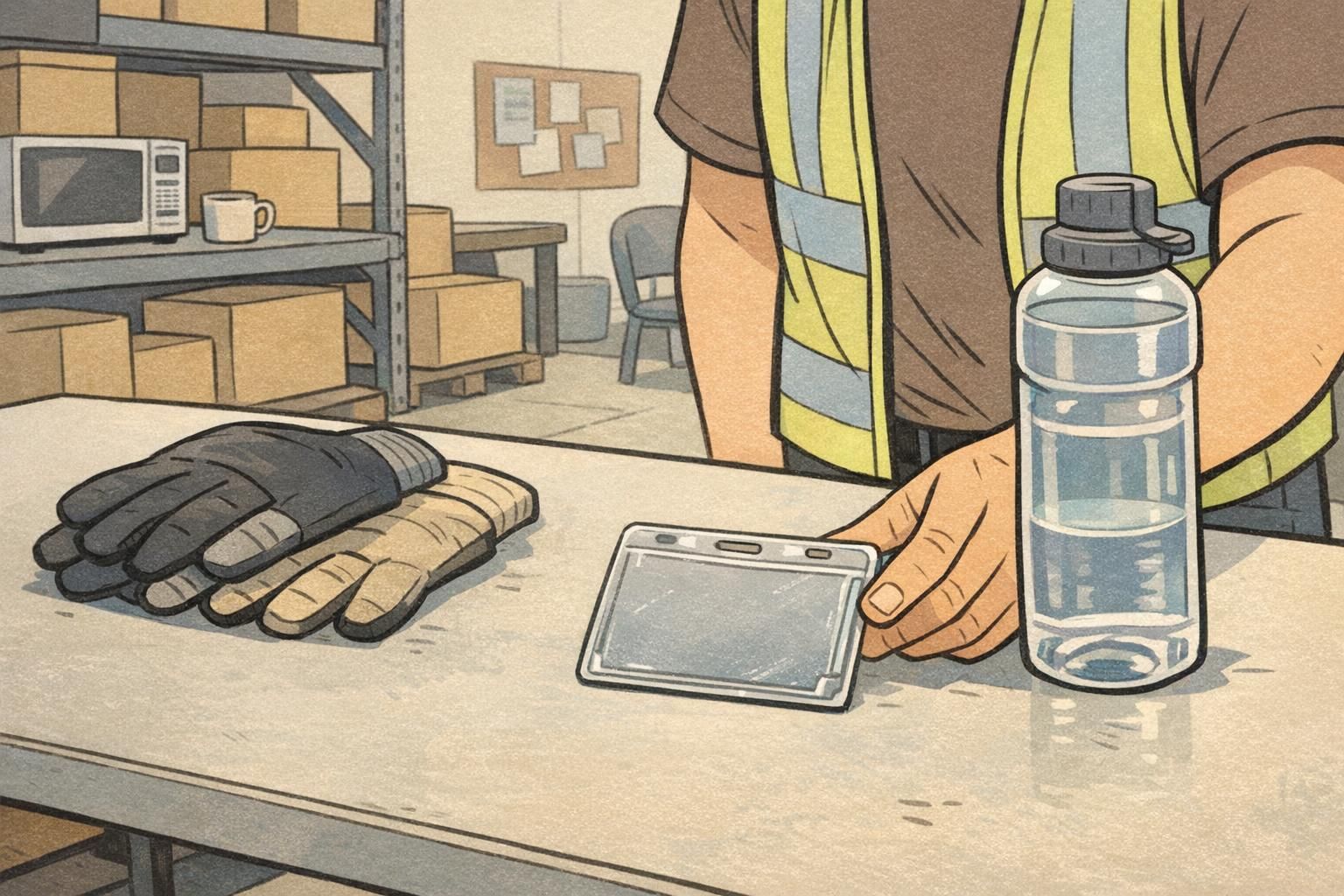
“The holder isn’t just about protecting the card—it’s about protecting the way the ID looks in daily use. Once corners get chewed up or the face gets cloudy, the badge stops looking professional even if it still works.” – Facilities coordinator
Clarity & Readability: Photo, Logo, and Print Staying Sharp
In workplaces where people rely on quick visual recognition—security desks, reception, nurses’ stations, and busy school offices—clarity matters. A badge can be technically “fine,” but if the face is hazy, scratched, or rippled, it becomes harder to confirm a photo, role color, or design element at a glance.
A rigid badge holder often keeps a flatter viewing surface. That can help the ID photo and layout look more consistent from different angles, especially under bright indoor lighting where glare and reflections can be distracting. Over time, however, rigid plastics can collect visible micro-scratches on the front face, particularly if the badge rubs against zippers, desk edges, or other badges.
A flexible badge sleeve can also stay clear, but it may show ripples or scuffs sooner depending on how it’s carried. Because a sleeve is thinner, any surface wear can be more noticeable when light hits it, and a slightly wavy front can make the printed details look less crisp from a distance.
A quick rule: if your ID is used for frequent face-to-face verification, prioritize a holder style that stays flat and clean-looking—then plan to replace the holder when it starts to look cloudy or scratched.
- Wipe regularly: a soft cloth can remove oils and dust that dull clarity.
- Avoid harsh cleaners: strong chemicals can haze some plastics and make scratches more obvious.
- Replace before it looks “beat up”: swapping a worn holder is often easier than reprinting a damaged credential.
- Watch the edges: if the sleeve opening stretches or seams split, the card may slide and rub—causing edge wear that affects the badge’s appearance.

Scanning Access: Barcode, Magstripe, and RFID Considerations
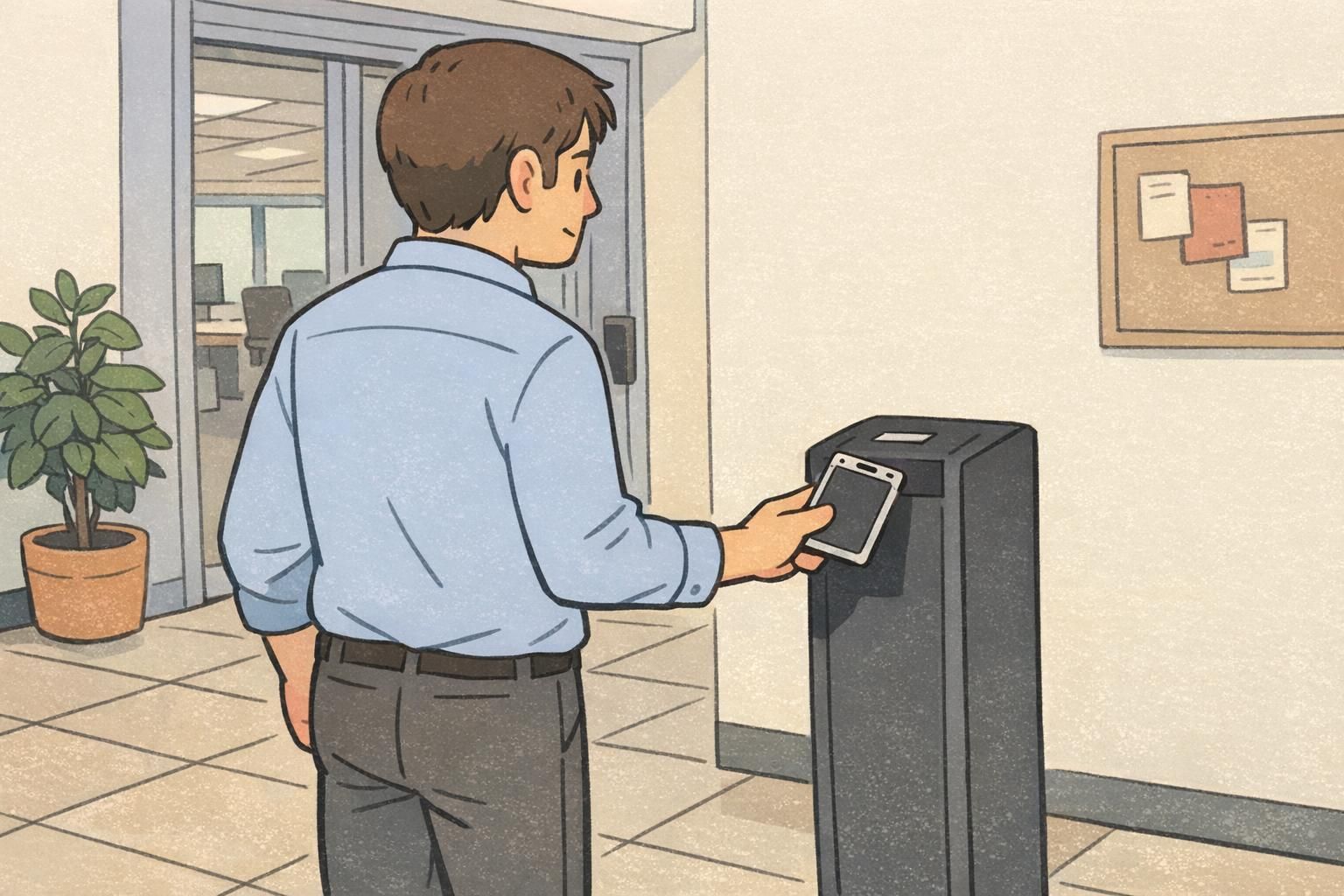
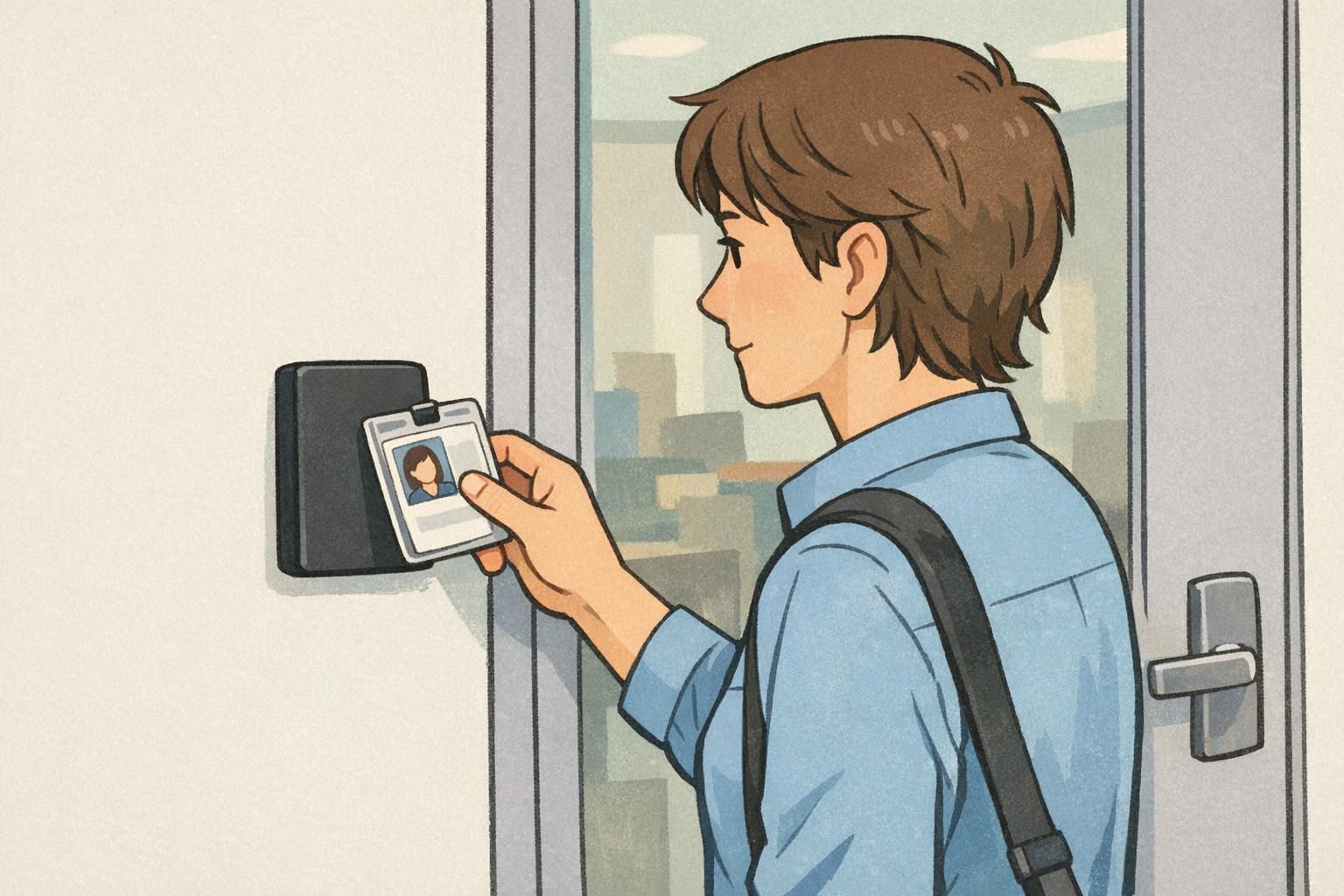
A holder should protect the card without getting in the way of access control. In many organizations, the badge isn’t just for display—it’s used at doors, elevators, time clocks, check-in desks, and shared equipment. That daily workflow is a big part of practical ID card protection because anything that forces repeated swipes or retries increases wear on the credential.
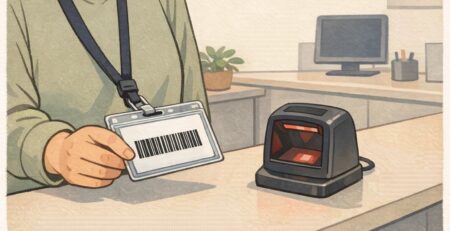
For barcode or QR scans, a rigid badge holder can be helpful because the face tends to stay flatter. A flatter surface can make it easier to present the code cleanly to a scanner, especially if the badge is scanned through the holder rather than removed. Flexible sleeves can still scan well, but if the surface ripples or gets scuffed, readability under certain lighting can suffer and lead to extra attempts.
For magstripe systems, removal and re-insertion is the main concern. If someone swipes dozens of times per shift, a flexible badge sleeve can be convenient because it’s typically easier to slide the card out quickly. That convenience can reduce the temptation to carry the card loose (which often leads to edge damage, cracks, and print wear).
For RFID credentials, many setups will read through common holder materials, but performance can vary based on several factors—like badge design, reader configuration, and what materials sit between the card and the reader. If your reads feel inconsistent, it can be worth testing your specific badge-plus-holder combination in your environment. For a neutral overview of what can influence RFID read range, see this source.
Best workflow fit wins: a holder that causes fewer retries protects the credential indirectly by reducing extra handling, swiping friction, and unnecessary card removal.
It depends on your system. Many barcode/QR and RFID setups work through common holder materials, while magstripe swipes usually require removing the card so the stripe contacts the reader.
Sometimes placement matters. If you suspect interference, test the badge in the holder the way people actually present it to the reader and adjust the setup if needed.
Comfort, Wear Options, and Workflows (Clip, Lanyard, Retractable Reel)
Comfort isn’t just a personal preference—comfort affects compliance. If a badge is annoying to wear, people are more likely to tuck it in a pocket, clip it to something unreliable, or remove it and forget it. The best ID card protection is the solution people will actually use all day.
Rigid holders can feel sturdier and more protective, but they may protrude more from clothing and add a bit of weight. On a belt clip or retractable reel, that can be totally fine. On a lightweight lanyard, some people notice the extra bulk, especially during long shifts.
Flexible sleeves are usually thinner and sit closer to clothing, which many people find more comfortable for all-day wear. They also pack easily for events or visitor credential bins where you need a stack of holders without taking up much space.
- Clips: Great for minimal swing; rigid holders can feel stable, while sleeves stay low-profile.
- Lanyards: Comfortable for display; sleeves are often lighter, rigid holders keep a crisp, flat look.
- Retractable reels: Useful when scanning frequently; consider whether you need quick removal (magstripe) or face-forward scanning (barcode/QR).
- Top-load vs side-load: Top-load is common for display; side-load can reduce accidental sliding in some workflows.
- Thumb notch and access cutouts: Helpful when you need to remove the card often without bending it.
“When people badge in a lot, the best setup is the one that’s effortless—comfortable to wear, easy to present to the reader, and tough enough that the card isn’t getting replaced all the time.” – Operations lead
Choosing What to Buy: Quick Fit Guide for Flexible Badge Sleeve vs Rigid Badge Holder
If you’re deciding for yourself or for a team, it helps to start with how the credential is used rather than how it looks on day one. A holder that matches scanning habits and wear-and-tear is more likely to keep the card readable, functional, and professional-looking over time.
- Choose a rigid badge holder if: your badge gets bent, crushed, or bumped; you want a consistently flat face for display or scanning; badges are worn near tools, carts, or crowded hallways.
- Choose a flexible badge sleeve if: you remove the card frequently (common with magstripe swipes); you want a slim, lightweight feel; you’re focused on keeping fingerprints and dust off the card.
- If moisture is a frequent concern: prioritize a sleeve or holder style that covers more of the card surface and reduces direct contact from hands.
- If the badge is handled constantly: prioritize easy insertion/removal and a design that doesn’t stretch or tear at the hang point.
Fit is as important as material. Even the best holder won’t protect well if the card slides around. Match holder dimensions to your card size and confirm orientation (vertical vs horizontal) so the card sits snugly without needing to be forced in.
Cost-saving mindset: upgrading a worn holder is often more cost-effective than reprinting credentials that get scratched, cracked, or edge-damaged from daily handling.
Many do, but it’s not required. Some workplaces issue rigid holders for high-impact roles and flexible sleeves for front desk, clinical, or visitor workflows where comfort and frequent handling matter.
Ignoring the access method. If people must swipe a magstripe frequently, a holder that makes removal difficult can increase wear and frustration. If people scan hands-free, a face that ripples or scuffs can create extra retries.
BadgeZoo Options: Pairing Holders with Badges, Name Tags, and Event Credentials
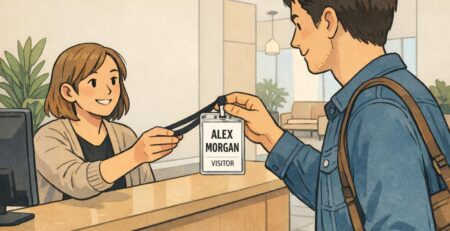
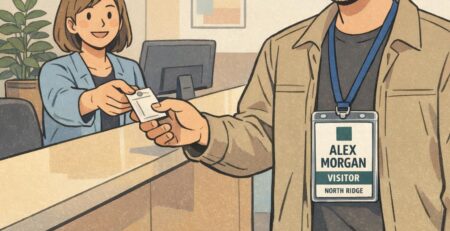
A consistent badge system works best when the credential design, the holder, and the wear method match the environment. Staff IDs, visitor passes, and event badges each have different priorities—like durability on a busy floor, quick check-in handling, or easy scanning at doors.
When you plan your setup, it can help to decide in bundles: the card format, the attachment method (lanyard, clip, or retractable reel), and the holder style that fits how the badge will be used. That approach reduces day-to-day issues like bent cards, unreadable scans, and badges that look worn too quickly.
If you’re sourcing accessories alongside credentials, BadgeZoo offers ID badge holders in both rigid and flexible options, making it easier to align the holder style with the scanning method and the level of ID card protection you need for different teams or events.
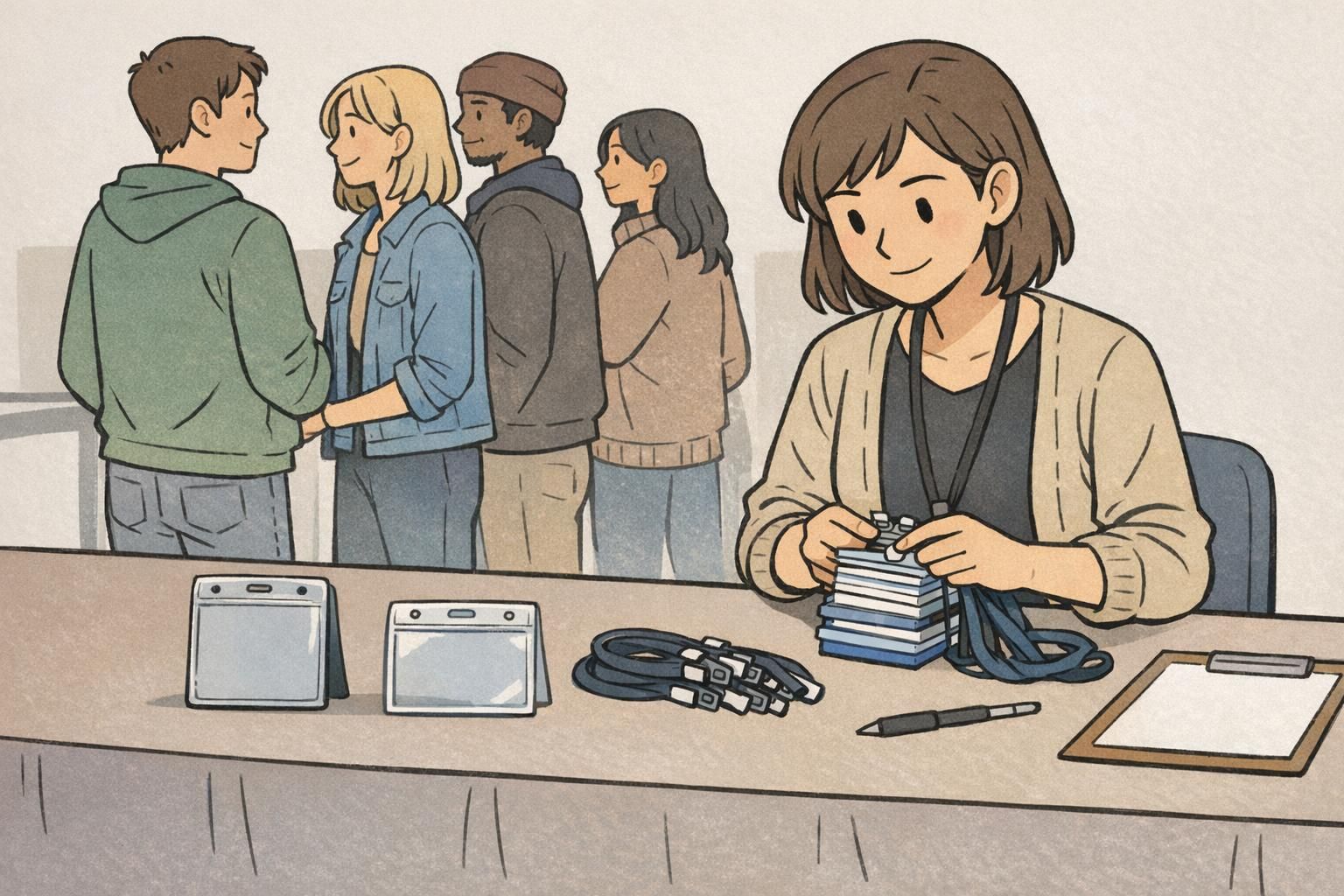
The best choice is the one that fits your workflow: rigid when impact and bending are the main threats, flexible when frequent handling and low bulk matter most—both can support clear, reliable identification when matched to the job.