Creative Badge Ideas for Holidays and Special Events: 12 Practical Themes and Design Tips
Why Creative Badge Ideas Work for Holidays and Special Events
Creative badge ideas do more than “look festive.” They help people instantly understand who’s who, what’s happening, and how to participate—especially in busy holiday and special-event settings where introductions and instructions can get lost in the noise. A well-designed badge can quietly answer the most common questions: What’s your name? Are you staff or a guest? Are you leading an activity? Can you access a restricted area?
In workplaces, schools, and community events, themed badges can also make moments more memorable. People tend to keep a fun event badge or photo it for later, which reinforces a shared story (“Remember the lantern badges from Lunar New Year?”). The trick is to match the theme to the event’s goal without turning the badge into a tiny poster.
Best results come from a simple formula: clear identification first, then a light theme layer that supports the mood of the event.
Pick the Purpose First: Role, Access, Recognition, or Participation
Before you sketch holiday badge designs, decide what the badge must accomplish. This single decision prevents clutter, speeds up check-in, and reduces awkward questions (“Am I allowed back there?”). A badge can be celebratory and still be functional—if you prioritize one primary job.
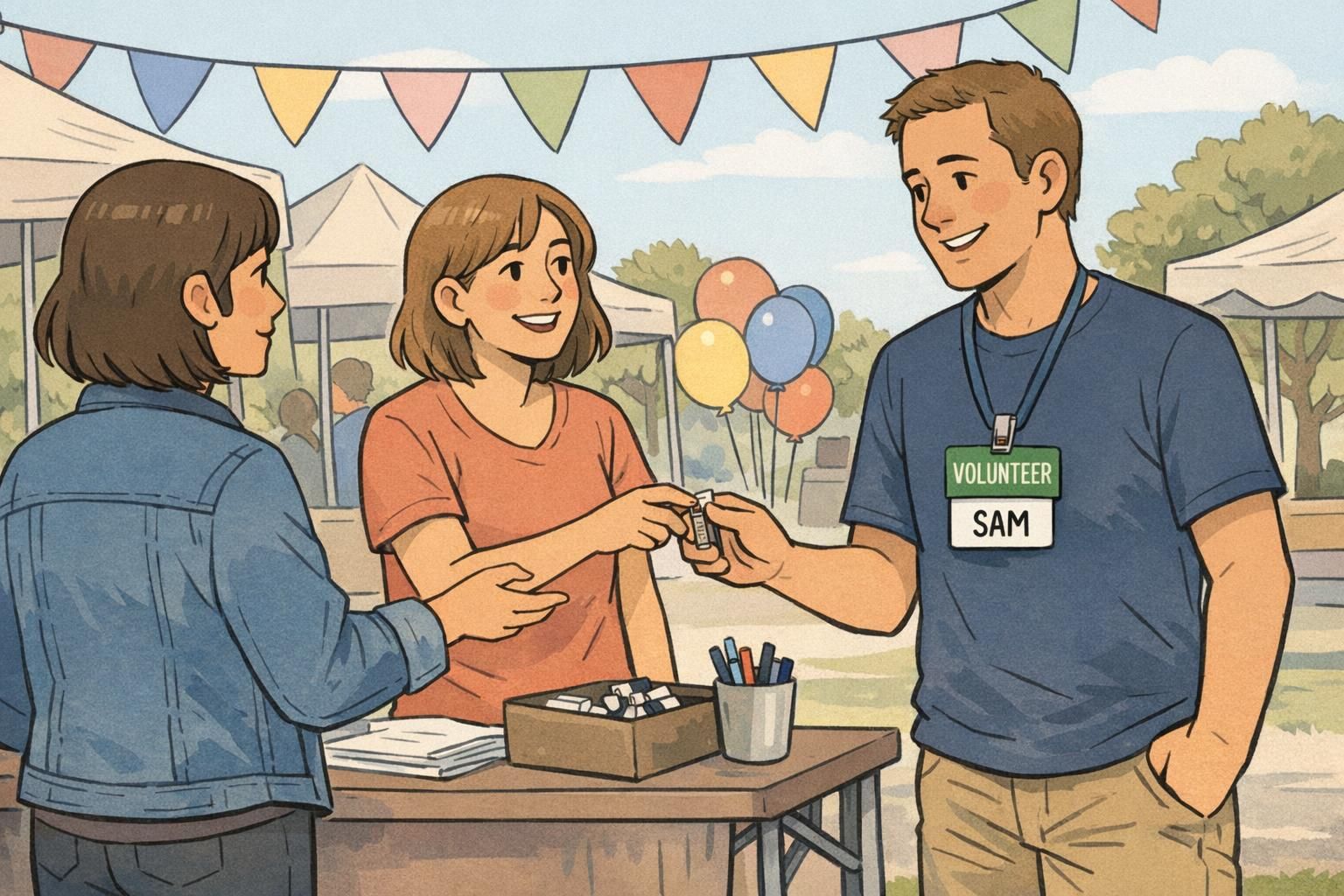
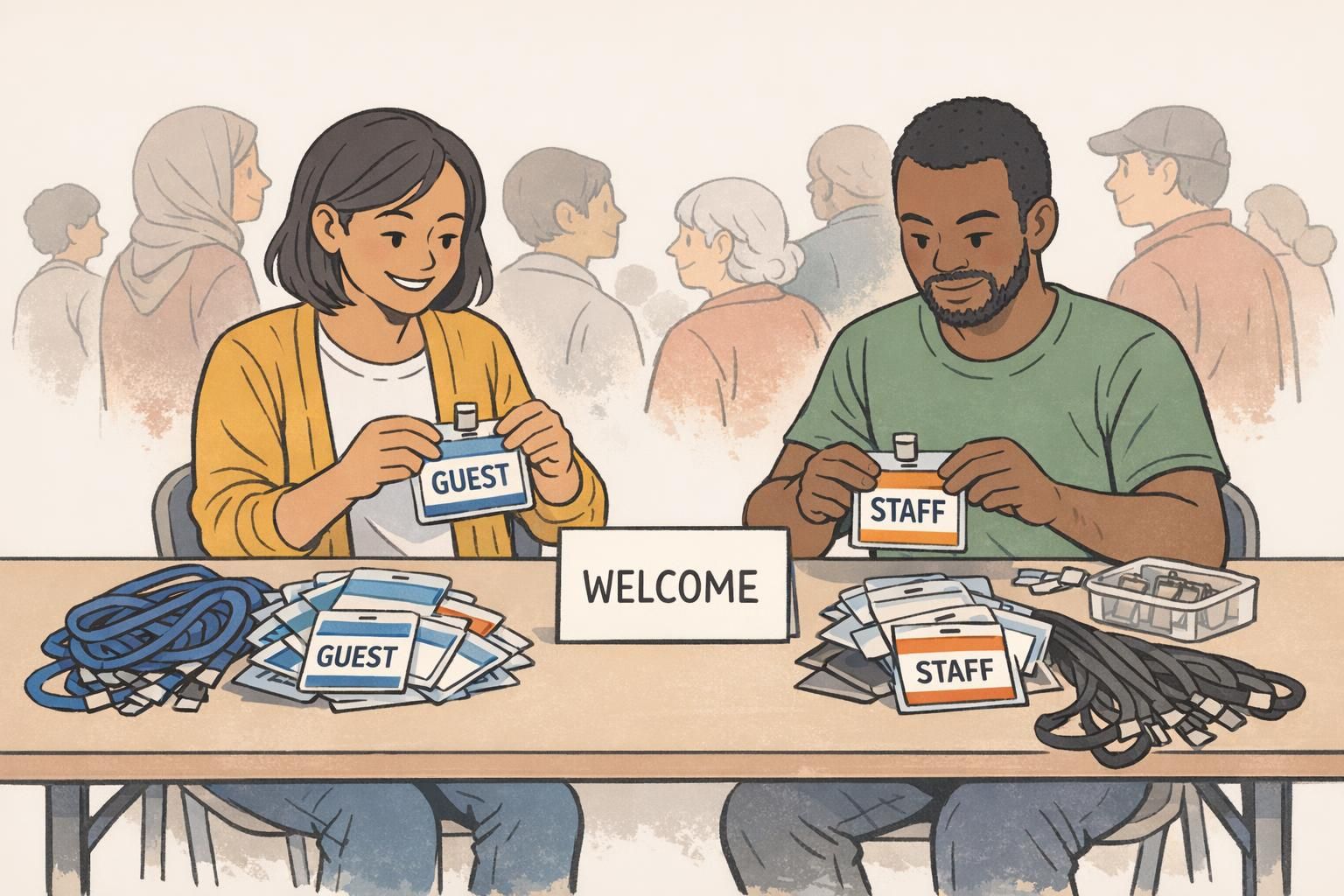
- Role: Clarify who is STAFF, VOLUNTEER, SPEAKER, VENDOR, or GUEST at a glance.
- Access: Show where someone can go (Backstage, Kitchen, Green Room, 21+, After-hours). Use color and a short label instead of long explanations.
- Recognition: Mark contributions (Team Lead, Mentor, Top Fundraiser, Safety Captain) so appreciation is visible, not hidden in a spreadsheet.
- Participation: A simple “Participant” badge can reduce friction and help people start conversations quickly.
Once purpose is clear, choose the format that supports it. A sticker-style badge might be perfect for a casual one-hour mixer. A structured event badge in a holder works better for multi-day festivals or conferences. And if badges represent achievements (like hours volunteered), include simple criteria so recipients understand what the badge means—without needing a separate explanation.
Decide the badge’s primary job first (role, access, recognition, or participation), then reserve only a small area for seasonal icons or color accents.
Only if it supports the event’s goal and stays readable. If you add extra fields, keep them short and place them below the name so the name remains the first thing people see.
Holiday Badge Designs That Feel On-Theme (Without Being Too Busy)
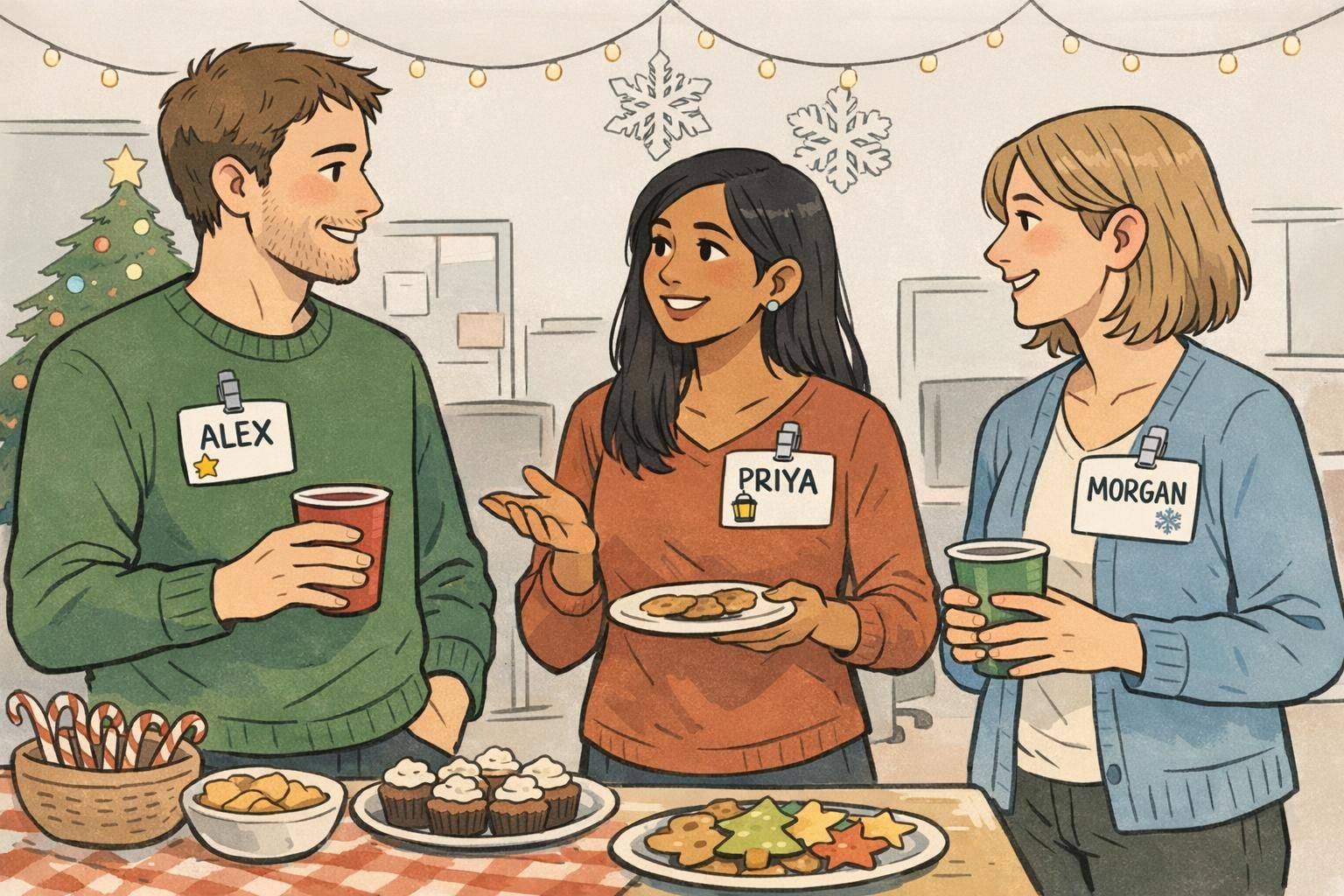
The best holiday badge designs have a clear visual hierarchy. If someone can’t read a badge from a comfortable conversation distance, the design is doing too much. A theme should support recognition—not compete with it.
- Name first: Largest text on the badge. If space allows, use bold plain lettering for fast reading.
- Role second: Smaller but still prominent (e.g., STAFF, VOLUNTEER, SPEAKER).
- Theme last: One icon or small accent pattern (star, lantern, leaf, fireworks).
- Limit colors: Choose 2–3 core colors plus one accent; too many colors reduces clarity.
- Use a consistent “family look”: Keep shapes, icon style, and spacing consistent across the event so every badge feels related even when names and roles vary.
Crowd readability matters most during check-in, hallway moments, and photo ops. If you include tiers, tracks, or day markers, use short labels and clear blocks of color rather than thin outlines or decorative fonts. People should understand the badge in one glance while walking.
Creative Badge Ideas for Winter Holidays (Christmas, New Year, Lunar New Year)
Winter events often mix celebration with logistics: food drives, performances, team parties, community dinners, and multi-cultural gatherings. Instead of leaning only on generic seasonal imagery, tie your creative badge ideas to actions people are actually taking at the event. It feels more personal and helps others know who to approach.
- Light Bringer: Decorating crew, lighting team, or welcome greeters.
- Kindness Elf: Gift-drive volunteers, donation sorters, or delivery helpers.
- Warm Welcome: First-contact hosts at check-in or coat stations.
- Resolution Starter: New Year goal-setters, workshop facilitators, or accountability buddies.
- Tradition Keeper: A respectful option for multicultural settings focused on shared stories and customs.
For winter visuals, keep it readable: choose one main icon (star, lantern, pine, fireworks) and pair it with a calm, low-contrast background pattern. This keeps the badge from feeling “busy” while still looking clearly seasonal.
Valentine’s and Friendship Events: Warm, Inclusive Badge Concepts
Valentine’s-themed events can be welcoming and inclusive when the design focuses on appreciation, community, and kindness—not just romance. Soft shapes, warm colors, and friendly language can shift the tone toward belonging. These are especially useful for school events, workplace appreciation weeks, and community mixers where you want people to mingle comfortably.
- Heart of Gold: Helpers, set-up crew, or behind-the-scenes support.
- Message in a Card: Note writers, gratitude-wall contributors, or compliment station volunteers.
- Friendship Ambassador: Greeters who introduce newcomers and help people find activities.
- Kindness Captain: People leading a small service activity or donation collection.
If the event is a mixer, prioritize the name area. A tiny heart icon and one short role label can set the tone without distracting from introductions.
Cultural and National Holidays: Designs That Respect Identity and Meaning
For cultural and national celebrations, badge design should aim for respect and flexibility. A safe approach is to build around shared values—unity, heritage, remembrance, service—rather than relying on stereotypes or overly literal imagery. That makes the badge more adaptable to different communities and helps the event feel intentional.
- Heritage Storyteller: Hosts sharing personal or historical stories at a booth or stage.
- Language Guardian: Volunteers supporting language tables, translations, or pronunciation guides.
- Unity Builder: Greeters and facilitators helping connect groups and guide activities.
- Remembrance Steward: People guiding a respectful moment, display, or memory table.
Choose symbols carefully, and keep the layout easy to localize. A flexible template lets organizers adjust colors and icons to fit the community, venue guidelines, or a specific cultural context. When in doubt, make the badge about the person’s role and contribution rather than about “representing” an identity through graphics.
Spring, Harvest, and Environmental Events: Nature-Inspired Badge Sets
Seasonal events are ideal for role-based identification because people are often moving, outdoors, and working in small teams. Nature-inspired badges can be both practical and fun, especially when the icon system stays simple and high-contrast.
- Green Guardian: Tree planting, cleanups, recycling stations, or garden builds.
- Harvest Helper: Food drive sorting, collection points, or farm-to-table event support.
- Spring Creator: Decor, costume team, craft station hosts, or activity leaders.
- Water Watch: Refill station monitors or route guides for outdoor walks/runs.
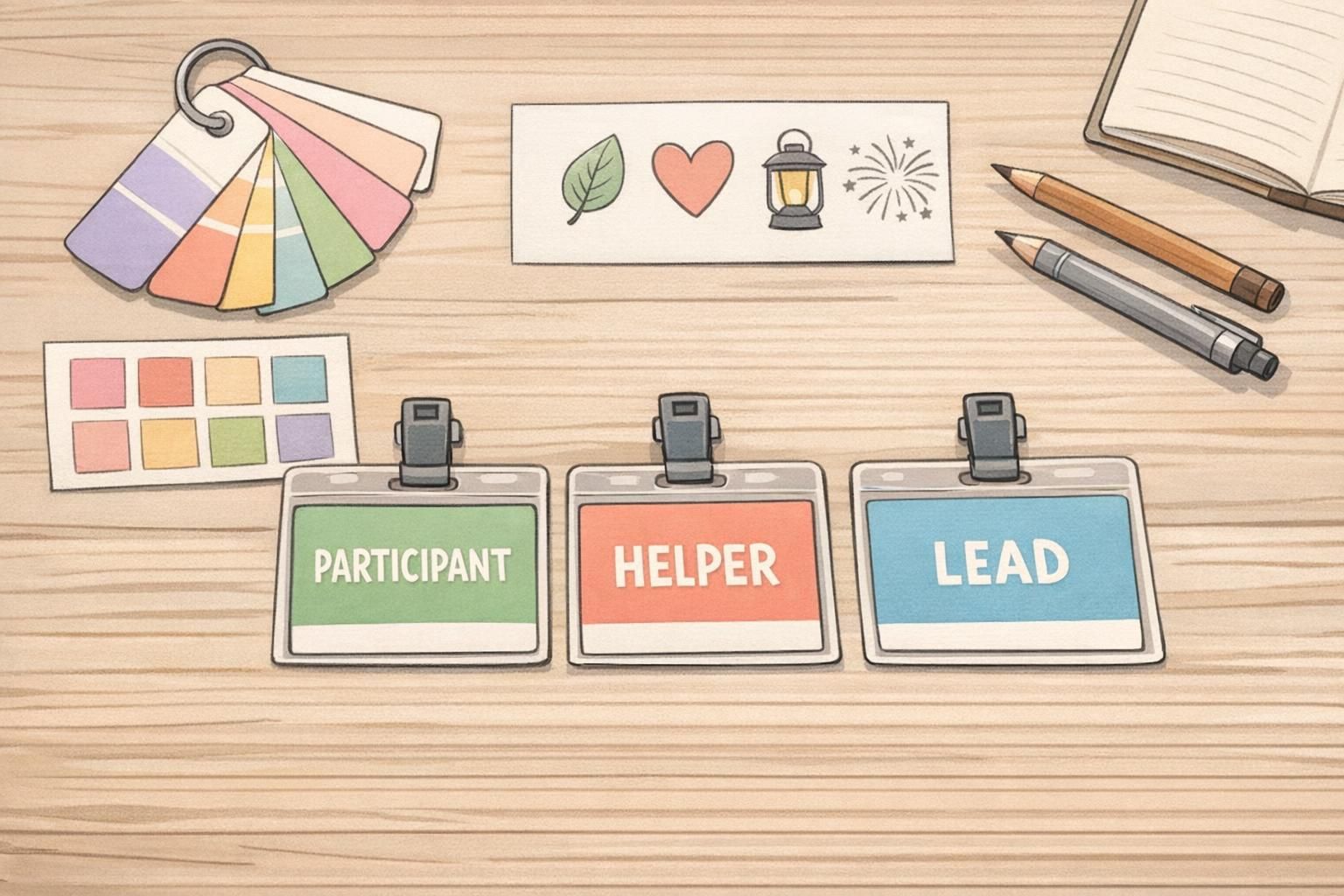
If your event happens annually, consider a tiered set that encourages people to return: Participant → Helper → Lead. Keep the icons bold (leaf, seedling, basket) so they stay recognizable even in bright daylight or from a few steps away.
Special Event Badge Inspiration for Conferences, Festivals, and Community Days
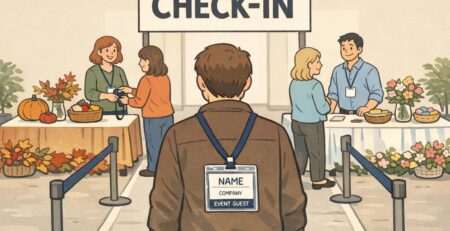
For large gatherings, event badge inspiration should balance personality with navigation. People need to quickly find staff, identify speakers, and locate volunteers who can help. A badge can also signal how someone wants to engage—networking, learning, supporting, documenting—without forcing an awkward conversation starter.
- Community Connector: Greeters, networking hosts, or community partners.
- Ideas Catalyst: Workshop facilitators, panel moderators, or discussion leaders.
- Memory Keeper: Photographers and documenters (great for festivals and community days).
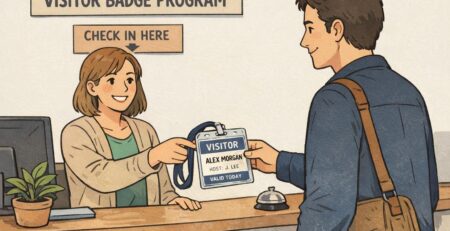
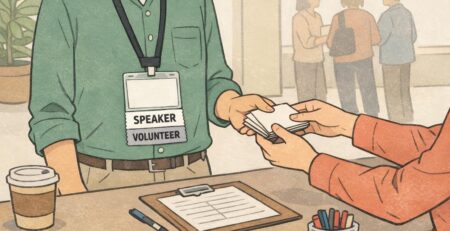
- Clear function labels: SPEAKER, VOLUNTEER, STAFF, VENDOR, VISITOR.
When attendance spans multiple days, add simple day markers or color-coded tracks to reduce confusion at check-in and in session hallways. The key is to keep the “what do I need to know right now?” information visible without shrinking the name area.

Design System: Tiers, Scarcity, and Simple Criteria (Make Badges Meaningful)
Badges feel meaningful when they’re more than decoration—when people understand what they represent. A simple design system makes that possible, especially for recurring events or volunteer programs. The goal isn’t to make things overly competitive; it’s to make contributions visible and easy to recognize.
- Create tiers people can understand instantly: Participant / Helper / Lead, or Bronze / Silver / Gold.
- Make tiers visibly distinct: different colors, a single icon change, or a clear stripe pattern—avoid tiny text that no one can read.
- Use simple, fair criteria: hours volunteered, tasks completed, or attendance milestones.
- Consider intentional scarcity for special recognition: a limited “Event Champion” badge can be meaningful if the criteria are transparent.
If appropriate for your setting, add lightweight evidence that supports credibility without slowing the event down—like a checkmark at check-in, a signed volunteer hour log, or a quick photo. Research on gamified systems suggests that visible, distinct markers (including tiers) can increase motivation and participation when designed thoughtfully (source).
“When our volunteer badges clearly showed Participant, Helper, and Lead, people started asking how to level up—without us having to make big announcements.” – Community Event Coordinator
Choosing the Right Format: Name Tags, ID Cards, Event Badges, and Badge Buddies
Format decisions can make or break an otherwise great design. The right choice depends on how long the event lasts, how active it is, and what information must stay visible. If you try to force every detail onto a tiny name tag, you’ll end up with something no one can read.
- Name tags: Best for quick social connection at parties, mixers, and short events. Simple and lightweight.
- Event badges: Great for conferences and festivals where roles, tracks, or access levels matter and badges need to last all day (or multiple days).
- ID cards: Ideal for ongoing programs, repeat attendance, or workplaces where durable identification is needed over time.
- Badge buddies: A smart add-on when you need role or access to be extra visible. They sit behind an ID badge as a rigid backing card so you can highlight VOLUNTEER or STAFF without shrinking the main name area.
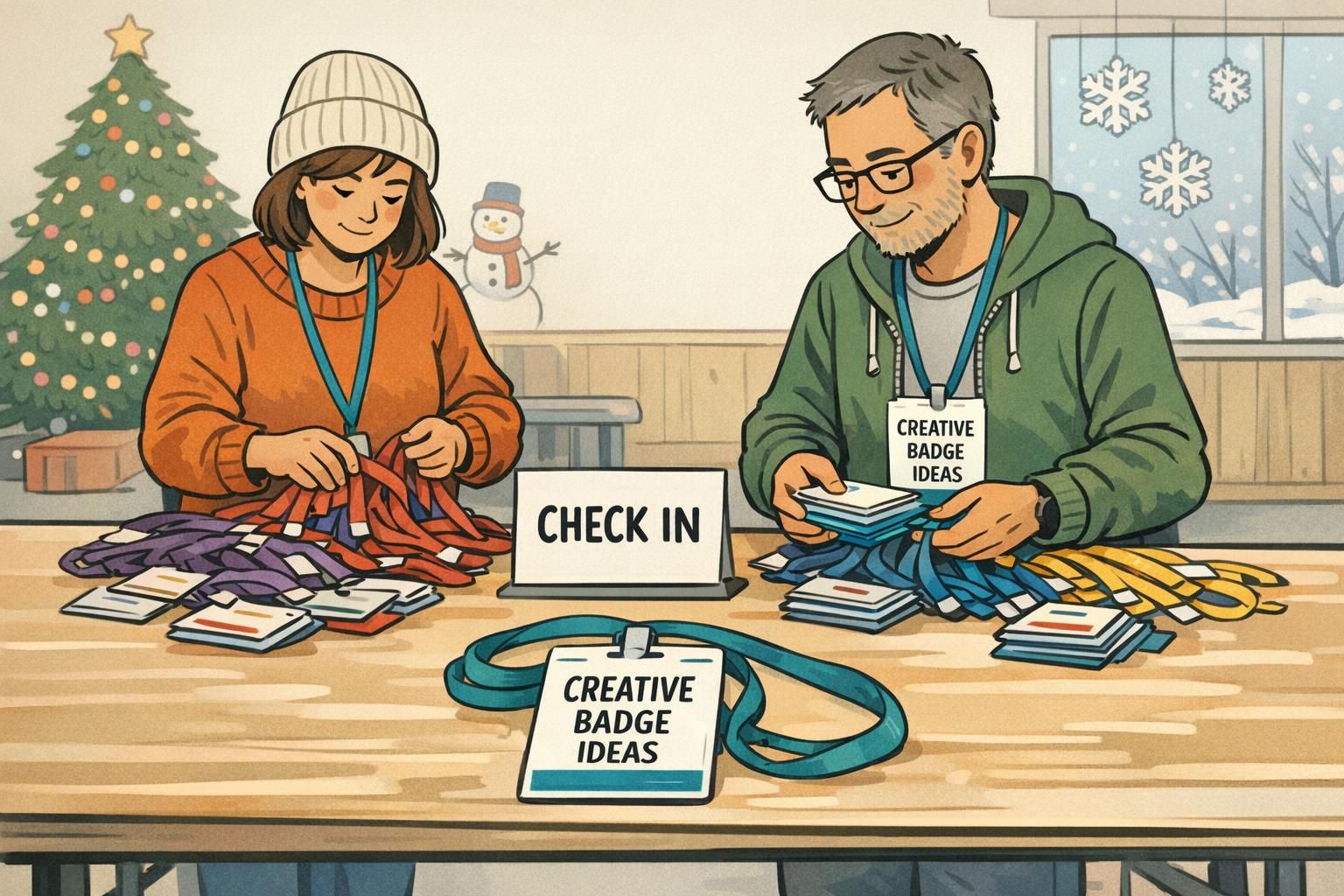
Also consider wear method. Clips can be convenient for seated events or quick meet-and-greets. Lanyards are often easier for outdoor or multi-day events where people move around a lot. Prioritize durability and legibility—especially if the event includes food service, active games, or outdoor weather.
If you’re planning custom event badges and want a straightforward way to scale themes, tracks, or day markers, BadgeZoo’s custom event badges can be produced in formats that work with clips or lanyards, so the identification stays readable throughout the event.